Supplements
Vitamins, minerals, and compounds the experts actually take.
Omega-3
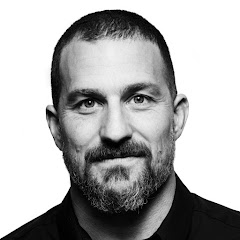
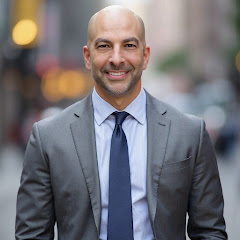

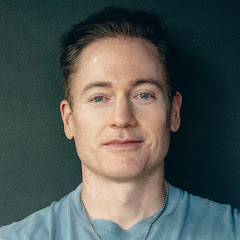
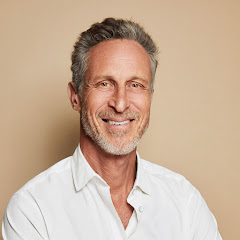
All 5 experts actively recommend omega-3 supplementation, making this one of the strongest consensus topics. Patrick and Attia provide the deepest mechanistic coverage, Huberman recommends 1-3g EPA for mood and cognition, Hyman lists omega-3 as a foundational supplement everyone needs, and Johnson includes omega-3 sources in his Blueprint diet.
Creatine
All 5 experts actively recommend creatine — and the consensus has expanded well beyond muscle. Huberman, Attia, and Patrick each feature dedicated deep dives on creatine as brain fuel for cognition under stress, sleep deprivation, and aging — not just strength and hypertrophy. Johnson includes it in his Blueprint stack; Hyman names it one of six essential daily supplements for muscle mass, insulin sensitivity, and brain health as we age. The most common worry — elevated creatinine on bloodwork — is a harmless artifact of muscle metabolism, not kidney damage.
Probiotics & Gut Health
All 5 experts agree that gut microbiome health is foundational to longevity, immunity, and brain function. The strongest consensus is around fermented foods over probiotic supplements. Huberman recommends 4 servings of low-sugar fermented foods daily as the primary intervention. Attia takes a science-forward approach, personally using Pendulum Akkermansia and AG1 while emphasizing that the probiotic market is largely unregulated. Patrick highlights the Sonnenburg research showing fermented foods increase microbial diversity and reduce inflammatory markers. Hyman is the most prolific advocate, outlining a comprehensive 5R gut-healing protocol and recommending probiotics as one of his foundational supplements. Johnson includes fermented foods in his daily Blueprint meals.
Zinc
All 5 experts view zinc as an essential mineral, though their depth of coverage varies significantly. Hyman is the most prolific advocate, citing zinc across immune function, gut healing, brain health, skin health, fertility, and detoxification. Huberman recommends 90-100mg zinc for cold prevention and includes it in fertility protocols. Patrick highlights zinc's role in immune defense, cold duration reduction, and its interaction with quercetin as a zinc ionophore. Attia mentions zinc as a critical micronutrient for testosterone optimization. Johnson includes zinc indirectly through his nutrient-dense diet but does not feature it as a standalone supplement.
Magnesium
4 of 5 experts actively recommend magnesium supplementation. Patrick and Hyman are the strongest advocates, each discussing it across multiple videos. Attia recommends 300-500mg daily for bone health and personally supplements with three forms. Johnson's Blueprint stack does not explicitly include magnesium.
Glycine
All 5 experts recognize glycine's value, though with varying emphasis. Attia personally supplements with glycine nightly for sleep. Johnson includes glycine in his Blueprint longevity stack as a daily staple. Huberman lists glycine as an optional sleep supplement alongside GABA and myo-inositol. Patrick highlights glycine through collagen peptides for connective tissue repair and wound healing. Hyman recommends glycine for sleep quality and nervous system relaxation.
Iron
All 5 experts acknowledge iron as essential, but the consensus is unusually nuanced: test first, supplement only if deficient, and monitor carefully. Attia provides the deepest biochemical coverage with a dedicated iron episode. Hyman includes iron bisglycinate in his personal daily stack and flags it as one of the most prevalent deficiencies. Johnson actively supplements heme iron for borderline levels. Patrick highlights excess iron as an aging accelerant. The universal theme is that iron is a double-edged sword — both deficiency and overload are dangerous.
Vitamin D
4 of 5 experts recommend vitamin D supplementation for those with suboptimal levels, though Attia urges caution — arguing that the health benefits attributed to high vitamin D may actually come from the outdoor lifestyle needed to achieve them naturally. Patrick is the strongest advocate, citing a 40% reduction in dementia risk.
Ashwagandha
4 of 5 experts actively use or recommend ashwagandha. Huberman is the strongest advocate with specific dosing protocols and cycling recommendations. Attia takes it personally as part of his nighttime routine. Johnson includes it in his Blueprint stack. Hyman recommends it for adrenal support and stress resilience. Patrick has no direct coverage.
Astaxanthin
All 5 experts mention astaxanthin positively, but with varying depth and enthusiasm. Hyman provides the most extensive coverage through a dedicated interview on astaxanthin's longevity mechanisms. Patrick highlights its role as a potent antioxidant in krill oil and salmon roe that activates the FOXO3 longevity gene. Attia discusses ITP data showing a 10% lifespan increase in male mice but notes more dose-response research is needed. Huberman recommends it specifically for eye health and ocular blood flow. Johnson includes astaxanthin in his Blueprint supplement stack without detailed commentary.
CoQ10
CoQ10 receives strong endorsement from Hyman, who has a dedicated deep dive and recommends it across 20+ videos as a cornerstone of mitochondrial support. Huberman mentions CoQ10 as a beneficial fertility supplement. Johnson includes CoQ10 in his Blueprint oral health protocol. Attia and Patrick do not specifically discuss CoQ10 supplementation in their analyzed content, though both emphasize mitochondrial health through other interventions.
Collagen
4 of 5 experts support collagen for skin and connective tissue health, but Attia is notably skeptical — citing research showing collagen does not outperform whey protein for connective tissue synthesis. Johnson is the strongest advocate, taking collagen peptides daily in his Blueprint protocol. Huberman recommends it specifically for skin, not muscle. All experts agree collagen is inferior to whey for muscle building.
Vitamin B12
3 of 5 experts actively recommend B12 supplementation, primarily for methylation support and brain health. Attia includes methylcobalamin in his personal protocol specifically to manage homocysteine levels. Hyman is the strongest advocate, linking B12 deficiency to depression, dementia, and neuropathy across dozens of videos. Patrick covers B12 in the context of genetics and MTHFR polymorphisms. Johnson and Huberman rarely address B12 directly — it appears only incidentally in broader discussions about mitochondrial health and mental health.
Caffeine
All 5 experts acknowledge caffeine as a potent performance enhancer and cognitive tool, but they diverge significantly on whether it belongs in a longevity protocol. Huberman and Patrick are the strongest advocates, each dedicating deep coverage to caffeine's mechanisms, dosing, and health benefits. Attia views caffeine as a reliable ergogenic aid but emphasizes strict timing to protect sleep. Johnson actively avoids caffeine entirely as part of his Blueprint protocol. Hyman frames caffeine as a crutch that masks underlying health issues and recommends elimination during reset protocols.
Curcumin
4 of 5 experts discuss curcumin positively for its anti-inflammatory properties, though with varying enthusiasm. Hyman is the strongest advocate, recommending it across inflammation, immune support, gut health, and longevity protocols. Johnson includes curcumin in his daily Blueprint stack. Patrick frames it through a hormesis lens as a beneficial plant stressor. Huberman acknowledges its anti-inflammatory potential but explicitly cautions against over-supplementation. Attia has no direct coverage.
Electrolytes
All 5 experts acknowledge the importance of electrolytes (sodium, potassium, magnesium) for health and performance, but they diverge sharply on sodium intake. Huberman is the strongest advocate for deliberate sodium supplementation, dedicating a full episode to the topic. Attia takes a cautious, clinical approach — he warns that high sodium triggers fructose production and raises blood pressure, while also explaining the critical role of proper hydration with electrolytes. Patrick emphasizes potassium and magnesium from whole foods over sodium supplementation. Johnson uses sodium-free salt substitutes and experienced firsthand electrolyte imbalance during his sauna experiments. Hyman warns that over-drinking plain water without electrolytes is dangerous, but focuses more on reducing processed-food sodium than supplementing it.
Garlic
Garlic receives meaningful but uneven coverage across the 5 experts. Johnson takes odor-free garlic daily as part of his Blueprint supplement stack for cholesterol management. Hyman is the most prolific advocate, recommending garlic across dozens of videos as a sulfur-rich food essential for glutathione production, detoxification, gut health, and immune support. Patrick mentions garlic for its sulfur content supporting detoxification and mitochondrial structure. Attia references allicin from garlic only in the context of mitigating TMAO from carnitine. Huberman has no health-specific garlic recommendation.
NAC
3 of 5 experts actively recommend NAC supplementation. Hyman is the strongest advocate by far, recommending NAC across 24 videos for glutathione support, detoxification, liver health, immune function, and brain health. Johnson includes NAC as a core pill in his daily Blueprint stack. Huberman and a guest (Dr. Seheult) discuss NAC for immune support and cold prevention. Attia and Patrick have no direct NAC coverage in analyzed videos.
Berberine
Berberine is a polarizing supplement among the 5 experts. Attia uses it clinically for LDL management in select patients but prefers metformin for glucose control. Huberman mentions it as a glucose disposal agent but personally avoids it for longevity. Hyman views it positively as an AMPK activator and gut antimicrobial. Patrick and Johnson have no direct coverage.
Glutathione
2 of 5 experts actively discuss glutathione supplementation or boosting strategies. Hyman is the dominant voice by far, dedicating significant portions of 29 videos to glutathione as 'the body's most important molecule' for detoxification, immune function, and chronic disease prevention. Johnson references glutathione in the context of biomarker tracking and air pollution defense. Huberman and Patrick mention glutathione only indirectly — through the NRF2 pathway and brain metabolism respectively — without recommending direct supplementation. Attia has no glutathione coverage in analyzed videos.
Vitamin C
3 of 5 experts view vitamin C as broadly useful — Patrick has a dedicated deep-dive covering oral vs. IV forms, Hyman recommends it across dozens of videos for immune support, stress, and detox, and Johnson includes it in his daily protocol alongside iron. Huberman notes that high-dose vitamin C has shown limited effectiveness for colds. Attia is the most skeptical, arguing that mega-dosing offers no benefit beyond correcting deficiency and that oral absorption is severely limited.
Vitamin K2
3 of 5 experts recommend vitamin K2 — Hyman always pairs it with D3, Patrick provides the deepest mechanism via Triage Theory, and Johnson takes D3K2 daily. Attia conspicuously omits K2 from his bone health 'big three' (calcium, D3, magnesium) despite extensive bone health content. Huberman has zero coverage.
Selenium
2 of 5 experts actively discuss selenium supplementation. Hyman is the strongest advocate, citing selenium across 19+ videos for thyroid function, immune defense, glutathione production, and detoxification. Huberman covers selenium's role in thyroid hormone production across 3 videos. Patrick, Attia, and Johnson have no direct selenium coverage in analyzed videos.
Folate
3 of 5 experts actively recommend folate supplementation — but context matters enormously. Hyman is the strongest advocate, recommending methylfolate across dozens of videos for brain health, fertility, and depression. Patrick and Attia both supplement with methylfolate specifically to manage homocysteine levels, with Attia including it in his personal stack. Huberman and Johnson mention folate only in passing through guest experts. The key nuance: all experts who discuss it insist on the methylated form (5-MTHF), not synthetic folic acid.
Melatonin
Melatonin is the most divisive supplement across our expert panel. Huberman explicitly cautions against supplemental melatonin for most adults, preferring behavioral tools and his magnesium-apigenin-theanine stack. Attia acknowledges melatonin's role in sleep regulation but treats it as a last resort after optimizing sleep hygiene. Patrick focuses on endogenous melatonin's metabolic and circadian functions rather than recommending supplements. Johnson takes melatonin nightly as part of his Blueprint protocol based on his team's evidence review. Hyman is the most favorable, recommending melatonin for circadian rhythm reset, sleep support, and even anti-inflammatory purposes.
GLP-1 Agonists
This is one of the most polarizing topics across our expert panel. Attia and Huberman see GLP-1 agonists as powerful tools when combined with exercise and high protein intake, while Hyman strongly opposes their widespread use, arguing they mask root causes and create pharmaceutical dependency. This is a prescription medication, not a supplement — use requires physician oversight.
Rapamycin
Rapamycin is the most polarizing longevity intervention among the 5 experts. Attia is the most bullish, cautiously prescribing it to patients and calling it a potential 'gold standard' geroprotective molecule. Johnson experimented with it extensively but discontinued after experiencing side effects and finding a pre-print suggesting it accelerated biological aging. Huberman explicitly avoids it, citing insufficient human data. Hyman mentions it favorably as a cutting-edge longevity therapy but provides no direct protocol. Patrick discusses the mTOR pathway extensively but does not cover rapamycin as a supplement.
Sulforaphane
3 of 5 experts actively discuss sulforaphane, with Patrick being the dominant authority. Patrick has dedicated multiple videos to sulforaphane's Nrf2 activation, cancer prevention, and detoxification benefits, and personally consumes broccoli sprouts daily. Huberman covers sulforaphane through guest episodes with Patrick, endorsing it for detoxification and liver support. Hyman references sulforaphane frequently as a phytochemical within broader food-as-medicine discussions. Attia and Johnson have no direct sulforaphane coverage in analyzed videos.
Metformin
Metformin is the most debated longevity drug among the 5 experts. Attia has extensively covered it across 27+ videos but shifted from cautious optimism to skepticism, concluding it may be a mitochondrial toxin for healthy individuals. Huberman explicitly avoids it for longevity. Hyman acknowledges it as the safest diabetes drug but favors lifestyle interventions over pharmacological approaches. Patrick has minimal coverage. Johnson includes metformin in his Blueprint protocol but is discussed only via Hyman's channel.
NMN & NAD+
This is one of the most divisive topics among our 5 experts. Attia categorizes NAD supplementation as 'noise' on his evidence hierarchy, while Hyman actively advocates for NAD precursors as part of a longevity stack. Huberman personally takes NR and NMN for subjective energy but explicitly not for longevity. Patrick provides the most balanced scientific coverage, noting promising animal data but significant gaps in human evidence.
Sleep
Protocols and supplements for optimizing sleep quality and duration.
Exercise
Training protocols backed by longevity research.
Sarcopenia & Muscle Loss
This is one of the highest-consensus topics across all five experts: skeletal muscle is reframed as an organ of longevity, not vanity, and protecting it is non-negotiable for aging well. Muscle loss (sarcopenia) starts in your 30s-40s, strength fades faster than size, and 'anabolic resistance' makes muscle harder to build each decade — but it is trainable at any age, even into the 80s and 90s. The agreed protocol: progressive-overload resistance training (3-4x/week) plus enough high-quality protein, with creatine as the best-supported add-on.
VO2 Max
All 5 experts agree VO2 max is one of the strongest predictors of all-cause mortality. Patrick frames moving from low to elite fitness as potentially adding ~5 years and outweighing the risk of smoking or diabetes, and Huberman ranks cardiorespiratory fitness above any supplement for longevity. It declines ~10% per decade if you don't train it, but rigorous training can roughly halve that rate. The consensus protocol: a Zone 2 aerobic base plus 1-2 high-intensity interval sessions a week — the Norwegian 4x4 is the most-cited. On the numbers behind it, the fittest 2.5% of people have roughly a fivefold lower all-cause mortality risk than the least-fit 25%, and even moving from below-average to above-average fitness is associated with about 41% lower all-cause mortality (Attia) — these are population associations across large groups, not a promise that raising one person's score delivers the same effect.
Zone 2 Exercise
All 5 experts recommend Zone 2 exercise for longevity. Attia is the clear authority with 30+ dedicated videos and a close collaboration with Dr. Inigo San-Millan — he considers Zone 2 one of his four pillars of exercise for the Centenarian Decathlon. Huberman targets 200 minutes per week. All experts pair Zone 2 with higher-intensity training (HIIT/Zone 5) and agree mitochondrial health is the core mechanism.
Nutrition
Dietary patterns and eating strategies for longevity.
Fasting
All 5 experts endorse some form of fasting, but they differ substantially on protocol and emphasis. Huberman and Patrick are the strongest advocates, with dedicated episodes covering time-restricted feeding and its circadian, metabolic, and autophagy benefits. Johnson practices a strict 20-hour fast daily. Hyman practices a 14-hour overnight fast and frames fasting as a hormetic stress. Attia is the most cautious — he experimented extensively with prolonged fasting but moved away from it due to muscle loss concerns and a lack of objective biomarkers proving benefit.
Protein
4 of 5 experts actively recommend more protein than the 0.8 g/kg RDA — converging on roughly 1.2-2 g/kg paired with resistance training (Johnson's coverage is thinner and plant-forward). The 'high protein shortens lifespan' fear traces mainly to guest Valter Longo's low-IGF-1 view; the core experts largely resolve it by noting that exercise redirects IGF-1 toward muscle and that sarcopenia — not mTOR — dominates aging risk after 50.
Olive Oil
Only 2 of 5 experts give olive oil significant dedicated attention, but none oppose it. Johnson is the strongest advocate — he calls EVOO his #1 anti-aging food, takes 1.5 tablespoons daily, and created his own supply chain for high-polyphenol oil. Hyman consistently recommends EVOO as a cornerstone healthy fat across dozens of videos, emphasizing its anti-inflammatory properties and role in Mediterranean-style eating. Attia mentions olive oil only in passing through a guest clip (Layne Norton) as a monounsaturated fat alternative to seed oils. Huberman and Patrick have no dedicated olive oil content in their channels — a notable gap given the depth of evidence supporting EVOO for cardiovascular and brain health.
Biohacking
Advanced interventions from cold exposure to red light therapy.
Sauna
All 5 experts actively recommend regular sauna use for health and longevity. Patrick is the strongest advocate with dedicated research on heat shock proteins and the Finnish mortality data. Huberman devoted a full episode to deliberate heat exposure. Attia uses sauna daily at 198F and highlights its sleep and cardiovascular benefits. Johnson ran a 90-day sauna experiment showing measurable cardiovascular improvements. Hyman recommends sauna as part of his hormesis and detoxification protocols.
Mitochondrial Health
Among the four experts who substantively cover it, the agreement is strong and one-directional: mitochondrial health is central to aging and energy, and the single most powerful lever is exercise — not a supplement. Attia, Huberman, Patrick, and Hyman all land there; Bryan Johnson takes no own-voice position. The one real fight is over supplements — Attia and Huberman treat 'mitochondria-boosting' pills as largely unproven, while Hyman builds a functional-medicine stack around them.
Cold Exposure
4 of 5 experts actively recommend deliberate cold exposure. Huberman is the strongest advocate with a dedicated episode and repeated coverage across dozens of videos. Patrick provides the deepest mechanistic analysis, citing norepinephrine, brown fat activation, and mitochondrial biogenesis. Attia personally practices cold plunges (as part of his sauna routine) but explicitly notes the longevity data is weaker than for sauna. Hyman endorses cold exposure as a hormetic stressor for mitochondrial health and inflammation. Johnson mentions cryotherapy in the context of his biohacking protocols but has no dedicated cold exposure coverage.
Peptides
There is no single verdict on 'peptides' — the category is wildly heterogeneous. A handful are FDA-approved and genuinely evidence-backed (PT-141 for low libido, tesamorelin for visceral fat), while the most-hyped recovery peptides (BPC-157, TB-500) rest almost entirely on animal data. The one thing every expert who covers peptides agrees on: physician-prescribed, quality-sourced, lab-monitored use only — and get the fundamentals right first. Treat 'peptides' as a question to ask one molecule at a time, not a single yes/no.
Health Markers
The biomarkers and genetics the experts track — what to test and what the numbers actually mean.
ApoB
The experts who cover it agree: ApoB — the count of atherogenic particles — is a more accurate predictor of cardiovascular risk than standard LDL-C, and it's worth measuring (with a doctor) rather than relying on a basic cholesterol panel. Four of the five experts endorse this; Bryan Johnson has no direct coverage in the analyzed videos.
APOE4
If you carry APOE4, the experts who cover it agree it raises your risk for Alzheimer's (and cardiovascular disease) but is not a verdict — it is a risk factor that lifestyle can meaningfully offset. Hyman, Attia, and Patrick all treat APOE4 as actionable through lipid/ApoB management, exercise, omega-3s, sleep, and diet; Huberman and Johnson have no direct carrier-specific coverage in our dataset.
Hormones
Hormone therapy and the endocrine transitions the experts weigh in on — what's settled, what's contested, and what's a medical decision.