Consensus Report
Probiotics & Gut Health
Strong Consensus
out of 5
Based on 24 episodes (38 hours analyzed) across the experts · Updated 2026-03-19
On the record
Checked against the tape: 2026-03-19
- 24 · 38 h
- episodes · hours
- 5 / 5
- experts on tape
- 26
- timecoded clips
- 8
- voices on tape
Voices: Andrew Huberman, Peter Attia, Rhonda Patrick, Bryan Johnson, Mark Hyman · guests Justin Sonnenburg, Matthew Walker, Colleen Cutcliffe
At a glance
Unlock with Pro ↓- Dose
- Form
- Timing
- Evidence
- Agreement
- 5 of 5 experts agree · 5 open disagreements
Expert Positions
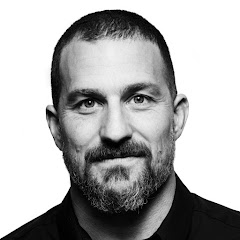
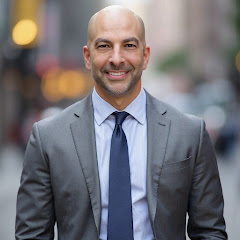

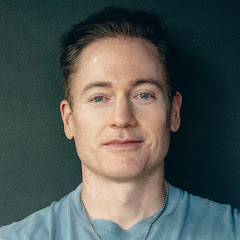
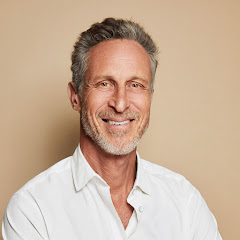
The Verdict
All 5 experts agree that gut microbiome health is foundational to longevity, immunity, and brain function. The strongest consensus is around fermented foods over probiotic supplements. Huberman recommends 4 servings of low-sugar fermented foods daily as the primary intervention. Attia takes a science-forward approach, personally using Pendulum Akkermansia and AG1 while emphasizing that the probiotic market is largely unregulated. Patrick highlights the Sonnenburg research showing fermented foods increase microbial diversity and reduce inflammatory markers. Hyman is the most prolific advocate, outlining a comprehensive 5R gut-healing protocol and recommending probiotics as one of his foundational supplements. Johnson includes fermented foods in his daily Blueprint meals.
Where They Disagree
Huberman cautions against excessive probiotic supplement intake and prioritizes fermented foods, while Hyman and Attia are more supportive of targeted probiotic supplementation for specific conditions.
Attia expresses skepticism about the current practical applications of commercial gut microbiome testing for most clinical cases, while Hyman and Patrick see microbiome analysis as a valuable diagnostic tool.
+ 3 more disagreements in the full report
What the Tape Covers
26 clips across 21 videos
Where each expert stands on probiotics & gut health, and the moment on the tape that shows it. Every timecode opens the source video at that second — check any of them yourself.
Huberman dedicated two episodes to gut microbiome health featuring Dr. Justin Sonnenburg from Stanford. The full episode covers microbiome assembly, dietary fiber, fermented foods, the gut-brain axis, and microbial metabolites crossing the blood-brain barrier. His supplementation episode establishes gut microbiome support as one of the foundational pillars, recommending 4 servings of low-sugar fermented foods daily as the primary intervention, with refrigerated probiotic supplements as a secondary option. He also discusses the gut-brain axis across multiple Q&A episodes, emphasizing sufficient sleep, probiotic intake, and avoiding excessive antiseptic use as strategies for gut optimization.
5 more clips
- 42:45 · How to Build, Maintain & Repair Gut Health | Dr. Justin Sonnenburg (Guest: Justin Sonnenburg)
- 55:00 · How to Build, Maintain & Repair Gut Health | Dr. Justin Sonnenburg (Guest: Justin Sonnenburg)
- 11:40 · Essentials: Build a Healthy Gut Microbiome | Dr. Justin Sonnenburg (Guest: Justin Sonnenburg)
- 15:43 · Developing a Rational Approach to Supplementation for Health & Performance (Guest: Matthew Walker)
- 09:59 · How Foods & Nutrients Control Our Moods | Huberman Lab Essentials
Attia provides the most scientifically rigorous coverage of gut health across multiple episodes. His dedicated episode (283) with Colleen Cutcliffe covers microbiome measurement, probiotics vs. prebiotics vs. postbiotics, short-chain fatty acids, Akkermansia muciniphila, and manufacturing challenges. He personally takes Pendulum glucose control probiotics and AG1. He hosted Dr. Michael Gershon on the gut-brain connection and serotonin production. He also discusses antibiotic recovery protocols emphasizing probiotics and high-fiber diets, and explains why CFU is a misleading marketing metric. He remains skeptical of commercial microbiome testing for routine clinical use but acknowledges its value in extreme cases like C. difficile infections.
6 more clips
- 37:38 · 283 - Gut health & the microbiome: improving and maintaining the microbiome, probiotics, & more (Guest: Colleen Cutcliffe)
- 34:06 · 283 - Gut health & the microbiome: improving and maintaining the microbiome, probiotics, & more (Guest: Colleen Cutcliffe)
- 01:13 · What is the difference between a prebiotic and a probiotic? (Guest: Colleen Cutcliffe)
- 04:33 · Peter Attia's Supplement List
- 01:18 · How to mitigate the risks of taking antibiotics (Guest: Colleen Cutcliffe)
- 01:09:47 · 215 - The gut-brain connection | Michael Gershon, M.D. (Guest: Michael Gershon)
Patrick provides deep scientific coverage through her interviews with the Sonnenburgs (Stanford) and Dr. Eran Elinav (Weizmann Institute). She emphasizes the microbiome as a 'microbial organ' with 10x more bacterial cells and 100x more genes than human cells. Her key contributions include coverage of how dietary fiber produces short-chain fatty acids that regulate immunity and reduce inflammation, how low fiber intake causes bacteria to consume the protective mucus lining, and how the gut microbiome has its own circadian rhythms influenced by meal timing. She highlights the critical first-3-years window for microbiome development and notes that probiotics may not permanently colonize but can aid recovery. She also emphasizes prebiotics in her smoothie recipes for gut microbiome diversity.
6 more clips
- 01:54 · How The Gut Microbiota Affects Our Health with Dr. Erica & Dr. Justin Sonnenburg (Guest: Erica Sonnenburg)
- 03:12 · How The Gut Microbiota Affects Our Health with Dr. Erica & Dr. Justin Sonnenburg (Guest: Erica Sonnenburg)
- 06:08 · How The Gut Microbiota Affects Our Health with Dr. Erica & Dr. Justin Sonnenburg (Guest: Erica Sonnenburg)
- 00:52 · Dr. Eran Elinav on Microbiome Insights into Personalized Response to Diet, Obesity, and Leaky Gut (Guest: Eran Elinav)
- 01:20:50 · Dr. Satchin Panda on Time-Restricted Feeding and Its Effects on Obesity, Muscle Mass & Heart Health (Guest: Satchin Panda)
- 06:17 · Smoothie #2: Prebiotics, Phytochemicals
Johnson incorporates gut health principles into his Blueprint protocol through dietary choices rather than explicit probiotic supplementation discussions. His daily meals include fermented foods as a standard component — both his super veggie meal and morning routine include fermented foods alongside olive oil. His meals emphasize high-fiber, plant-based ingredients (lentils, broccoli, cauliflower, mushrooms) that serve as prebiotics. His green smoothie recipe retains fiber for gut health and sugar regulation. While he does not dedicate standalone content to probiotics or the microbiome, his data-driven nutritional protocol aligns with the consensus on fiber-rich, plant-based eating with fermented food integration.
Now I'm back in the kitchen and I'm going to eat super veggie. This is a mix of lentils, broccoli, cauliflower, mushrooms, some fermented food, and drizzled with extra virgin olive oil. I use foodgrade stainless steel containers to store my food. This is to avoid forever chemicals and microplastics that can come from plastic containers. Every ingredient has fought for its life to get into my routine and to deliver optimal levels of nutrients, fiber, and antioxidants. Here's where my morning routine gets a little strange. This therapy saturates my body with 100% oxygen under high pressure.
▶ 07:38 · My INTENSE Morning Routine (Live to 150+)
2 more clips
Hyman is the most prolific advocate for gut health and probiotics across all five experts, discussing it as a central theme in dozens of videos. He views the gut as the epicenter of health and disease, connecting dysbiosis to conditions ranging from autoimmunity and skin disorders to mental health and metabolic disease. His signature contribution is the 5R gut-healing protocol: Remove (inflammatory foods, infections), Replace (digestive enzymes, HCl), Re-inoculate (probiotics, fermented foods), Repair (L-glutamine, zinc, colostrum), and Rebalance (sleep, stress management). He recommends probiotics as one of his foundational supplements for everyone, specifically mentions Bacillus subtilis for interferon production, and has shared his personal experience healing severe colitis. He coined the 'three Ps' framework — prebiotics, probiotics, and polyphenols — as the foundation for gut optimization and uses a 'weed, seed, and feed' approach in clinical practice.
…call this the assimilation system it's assimilating nutrients it's digestion it's the gut microbiome and our gut is intimately connected to our overall Health and Longevity we used to think of the gut as just an isolated digestive system a tube from our mouth to our butt that food passed through on its way and we absorbed what nutrients we needed and got rid of the rest well it's way more than that today we understand that guts extensive influence on overall health inflammation on Aging chronic disas like cancer heart disease autoimmunity dementia yeah even dementia is affected by your gut microbiome you know the gut is home to about 30 trillion bacterial…
▶ 02:48 · 5 Daily Habits That Are Secretly Accelerating Your Aging
5 more clips
- 50:00 · The 3 Foods I Eat Everyday To LOSE WEIGHT & Lower Blood Sugar!
- 56:46 · The 3 Foods I Eat Everyday To LOSE WEIGHT & Lower Blood Sugar!
- 15:43 · WATCH THIS To Fix Your GUT HEALTH & Prevent Autoimmune DISEASE! (Guest: Tracy Shafizadeh)
- 29:04 · My Favorite Supplements for Optimal Health & Longevity
- 52:32 · The 4 Easiest Ways to Fix Your Immune System
Quoted passages are the automatic transcript from the second the link opens, with mis-transcribed terms corrected and nothing else changed. A quote appears only where the expert recorded alone and the passage is about probiotics & gut health — where someone else was in the room, you get the timecode without a quote, because the tape does not record who said which line.
About This Analysis
This consensus report on Probiotics & Gut Health is based on 24 videos (38 hours analyzed) from five longevity experts: Andrew Huberman, Peter Attia, Rhonda Patrick, Bryan Johnson, and Mark Hyman. Each expert's position was independently analyzed from their published video content, including lectures, podcast episodes, and Q&A sessions with 640+ guests, 310+ of them scientists and physicians.
The full report includes 10 key findings, dosage and protocol details, expert deep dives with direct video citations and timestamps, risk considerations, and related supplement synergies.
Frequently Asked Questions
What do experts agree on about probiotics & gut health?
All 5 experts agree that gut microbiome health is foundational to longevity, immunity, and brain function. The strongest consensus is around fermented foods over probiotic supplements.
Where do the experts disagree on probiotics & gut health?
Huberman cautions against excessive probiotic supplement intake and prioritizes fermented foods, while Hyman and Attia are more supportive of targeted probiotic supplementation for specific conditions. Attia expresses skepticism about the current practical applications of commercial gut microbiome testing for most clinical cases, while Hyman and Patrick see microbiome analysis as a valuable diagnostic tool. Attia emphasizes that bacterial function matters more than species identity, suggesting the field is still too immature for precise strain recommendations — while Hyman recommends specific strains like Bacillus subtilis and Attia himself uses Pendulum Akkermansia.
How strong is the expert consensus on probiotics & gut health?
The consensus on probiotics & gut health scores 4.2/5 — a strong level of agreement across Huberman, Attia, Patrick, Johnson, and Hyman, based on their public videos.
Common Questions
Related Reports
Unlock the Full Report
Get dosages, timing protocols, expert deep dives with video citations, and risks for Probiotics & Gut Health.
Every recommendation traces back to a specific expert, video, and timestamp.
$9/month or $79/year · Cancel anytime