Consensus Report
Melatonin
Moderate Consensus
out of 5
Based on 28 episodes (48 hours analyzed) across the experts · Updated 2026-03-23
On the record
Checked against the tape: 2026-03-23
- 28 · 48 h
- episodes · hours
- 5 / 5
- experts on tape
- 24
- timecoded clips
- 8
- voices on tape
Voices: Andrew Huberman, Peter Attia, Rhonda Patrick, Bryan Johnson, Mark Hyman · guests Matthew Walker, Kyle Gillett, Sachin Panda
At a glance
Unlock with Pro ↓- Dose
- Form
- Timing
- Evidence
- Agreement
- 2 of 5 experts agree · 4 open disagreements
Expert Positions
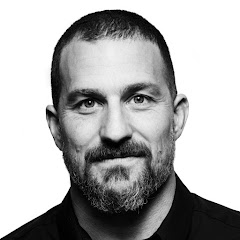
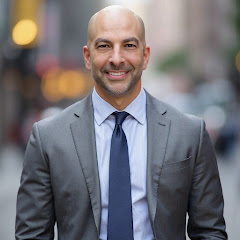

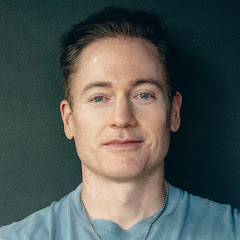
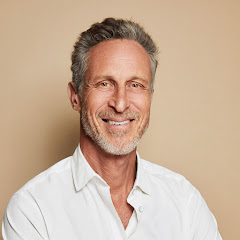
The Verdict
Melatonin divides the panel: one expert advises against it outright, while the other four take it or accept it with caveats. Huberman explicitly cautions against supplemental melatonin for most adults, preferring behavioral tools and his magnesium-apigenin-theanine stack. Attia acknowledges melatonin's role in sleep regulation but treats it as a last resort after optimizing sleep hygiene. Patrick focuses on endogenous melatonin's metabolic and circadian functions rather than recommending supplements. Johnson takes melatonin nightly as part of his Blueprint protocol based on his team's evidence review. Hyman is the most favorable, recommending melatonin for circadian rhythm reset, sleep support, and even anti-inflammatory purposes.
Where They Disagree
Supplementation: Huberman explicitly cautions against melatonin supplementation for most healthy adults, while Johnson takes it nightly and Hyman actively recommends it — a fundamental disagreement on whether exogenous melatonin is beneficial or risky.
Scope of use: Hyman views melatonin as a multi-purpose therapeutic tool (sleep, anti-inflammation, gut health, acid reflux, immune support), while Huberman views it narrowly as a hormone with potential downsides that should be avoided when behavioral tools are available.
+ 2 more disagreements in the full report
What the Tape Covers
24 clips across 24 videos
Where each expert stands on melatonin, and the moment on the tape that shows it. Every timecode opens the source video at that second — check any of them yourself.
Huberman is the most vocal critic of supplemental melatonin among the five experts. Across at least 6 relevant episodes, he consistently prefers behavioral interventions — morning sunlight, evening light avoidance, and his magnesium-apigenin-theanine sleep stack — over melatonin supplementation. He explains that melatonin is a hormone with potential endocrine effects, that commercially available doses are supra-physiological, and that evidence shows minimal sleep benefit for healthy adults. He acknowledges melatonin may help elderly populations and notes its use in supporting deep sleep for growth hormone release, but consistently warns against overuse.
5 more clips
- 04:30 · The Science & Practice of Perfecting Your Sleep | Huberman Lab Essentials (Guest: Matthew Walker)
- 15:30 · How to Defeat Jet Lag, Shift Work & Sleeplessness | Huberman Lab Essentials
- 58:31 · Tools for Managing Stress & Anxiety
- 42:15 · How to Control Your Metabolism by Thyroid & Growth Hormone (Guest: Kyle Gillett)
- 56:30 · Sleep Toolkit: Tools for Optimizing Sleep & Sleep-Wake Timing | Huberman Lab Podcast #84 (Guest: Matthew Walker)
Attia discusses melatonin primarily through the lens of sleep physiology and circadian regulation. He identifies melatonin as one of the three pillars of sleep regulation — alongside adenosine and cortisol — and notes its importance in the absence of light. He discusses melatonin as a potential sleep aid but frames it as a last resort, emphasizing that sleep hygiene factors must be optimized first. His guest Matt Walker discusses how blue light suppresses melatonin and how sedative hypnotics fail to replicate natural sleep.
4 more clips
Patrick provides the most mechanistic coverage of melatonin's biological roles. She discusses melatonin's effect on pancreatic insulin regulation — explaining that rising melatonin levels reduce insulin production, making late-night eating metabolically harmful. Her guest Dr. Satchin Panda discusses melatonin supplements vs. naturally produced melatonin, noting complexity in regulation and rapid metabolism. Patrick also covers melatonin's role in DNA repair, cancer prevention, anti-inflammatory properties, and circadian gene regulation. She consistently frames melatonin through a circadian biology lens rather than as a supplement recommendation.
5 more clips
- 00:72 · Late-night eating and melatonin may impair insulin response (Guest: Sachin Panda)
- 08:12 · Dr. Satchin Panda on Circadian Insights into Exercise Timing, Melatonin Biology, and Peak Cognition (Guest: Satchin Panda)
- 19:19 · COVID-19 Q&A #1 with Rhonda Patrick, Ph.D.
- 18:30 · How Diet & Lifestyle Influence Aging & Brain Function
- 02:14 · Sleep, Daylight Anchoring, and Effects on Memory & Obesity with Dan Pardi (Guest: Dan Pardi)
Johnson takes melatonin nightly before bed as part of his 111-supplement Blueprint protocol, based on his team's evidence review. He also uses a topical hair growth formulation containing melatonin. In his dedicated jet lag episode, he discusses melatonin as a key tool for managing circadian disruption during travel, alongside light management and fasting. His approach is data-driven: he does not provide general recommendations but states that his team's analysis supports melatonin's relevance to his health goals.
…is eating food too late now for example let's say your bed time is 10 p.m. and at 9:00 p.m. in the middle of your favorite episode you decide that eating a piece of pizza is a good idea and then one piece of pizza turns into the whole pizza in that moment several bad things happen one is your body has to spin up all kinds of metabolic activity to address this food it must digest that's challenging you have a blood glucose Spike when that happens and then once you have that it drops so you have this blood glucose fluctuation you also have a disruption of melatonin production…
▶ 00:33 · Why You're Always Tired
3 more clips
Hyman is the most enthusiastic proponent of supplemental melatonin, recommending it across at least 10 videos for a wide range of purposes: circadian rhythm reset, sleep support, jet lag management, anti-inflammatory immune support, acid reflux relief, migraine reduction, and body composition. He uniquely discusses the gut-sleep connection, explaining that 80-90% of serotonin (melatonin's precursor) is produced in the gut. He also highlights melatonin's role in DNA repair, cancer prevention via its suppression by artificial light, and fat-burning hormone regulation. His approach is rooted in functional medicine, treating melatonin as both a circadian signal and a therapeutic agent.
…there are certain instances where light can actually act as a carcinogen light yeah air pollution can affect cognitive function and put us at increased risk for alzheimer's disease with brain injury don't wait to start exercising actually when you start exercising sooner you'll enhance recovery going back to light you know i mean there are certain instances where light it's been proposed and this is a a you know a rapidly evolving science we're just at the tip of the iceberg but can actually act as a carcinogen light yeah what kind of light well artificial bright light at night that suppresses the hormone melatonin melatonin is a key gatekeeper to the…
▶ 00:00 · BEST BRAIN FOODS For Brain Health: 7 Steps To BOOST YOUR BRAIN TODAY!
5 more clips
Quoted passages are the automatic transcript from the second the link opens, with mis-transcribed terms corrected and nothing else changed. A quote appears only where the expert recorded alone and the passage is about melatonin — where someone else was in the room, you get the timecode without a quote, because the tape does not record who said which line.
About This Analysis
This consensus report on Melatonin is based on 28 videos (48 hours analyzed) from five longevity experts: Andrew Huberman, Peter Attia, Rhonda Patrick, Bryan Johnson, and Mark Hyman. Each expert's position was independently analyzed from their published video content, including lectures, podcast episodes, and Q&A sessions with 640+ guests, 310+ of them scientists and physicians.
The full report includes 7 key findings, dosage and protocol details, expert deep dives with direct video citations and timestamps, risk considerations, and related supplement synergies.
Frequently Asked Questions
What do experts agree on about melatonin?
Melatonin divides the panel: one expert advises against it outright, while the other four take it or accept it with caveats. Huberman explicitly cautions against supplemental melatonin for most adults, preferring behavioral tools and his magnesium-apigenin-theanine stack.
Where do the experts disagree on melatonin?
Supplementation: Huberman explicitly cautions against melatonin supplementation for most healthy adults, while Johnson takes it nightly and Hyman actively recommends it — a fundamental disagreement on whether exogenous melatonin is beneficial or risky. Scope of use: Hyman views melatonin as a multi-purpose therapeutic tool (sleep, anti-inflammation, gut health, acid reflux, immune support), while Huberman views it narrowly as a hormone with potential downsides that should be avoided when behavioral tools are available. Population specificity: Huberman concedes that the elderly may benefit from low-dose melatonin due to declining natural production, while Johnson (age 46 during analyzed videos) takes it daily regardless — suggesting different thresholds for when supplementation is warranted.
How strong is the expert consensus on melatonin?
The consensus on melatonin scores 2.9/5 — a moderate level of agreement across Huberman, Attia, Patrick, Johnson, and Hyman, based on their public videos.
Related Reports
Unlock the Full Report
Get dosages, timing protocols, expert deep dives with video citations, and risks for Melatonin.
Every recommendation traces back to a specific expert, video, and timestamp.
$9/month or $79/year · Cancel anytime