Consensus Report
Astaxanthin
Strong Consensus
out of 5
Based on 11 episodes (14 hours analyzed) across the experts · Updated 2026-03-23
On the record
Checked against the tape: 2026-03-23
- 11 · 14 h
- episodes · hours
- 5 / 5
- experts on tape
- 16
- timecoded clips
- 8
- voices on tape
Voices: Andrew Huberman, Peter Attia, Rhonda Patrick, Bryan Johnson, Mark Hyman · guests Rich Miller, Steve Aoki, David Watumull
At a glance
Unlock with Pro ↓- Dose
- Form
- Timing
- Evidence
- Agreement
- 3 of 5 experts agree · 4 open disagreements
Expert Positions

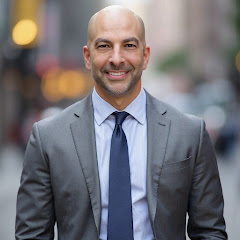

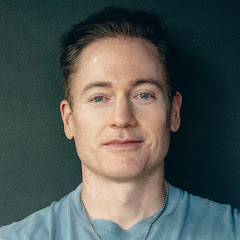
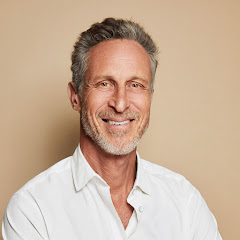
The Verdict
All 5 experts mention astaxanthin positively, but with varying depth and enthusiasm. Hyman provides the most extensive coverage through a dedicated interview on astaxanthin's longevity mechanisms. Patrick highlights its role as a potent antioxidant in krill oil and salmon roe that activates the FOXO3 longevity gene. Attia discusses ITP data showing a 10% lifespan increase in male mice but notes more dose-response research is needed. Huberman recommends it specifically for eye health and ocular blood flow. Johnson includes astaxanthin in his Blueprint supplement stack without detailed commentary.
Where They Disagree
Attia takes a notably more cautious stance than Hyman — while both reference the ITP data, Attia emphasizes the need for further dose-response studies and more rigorous human trials before making strong recommendations, whereas Hyman presents astaxanthin as a broadly beneficial longevity compound.
Huberman frames astaxanthin narrowly as an eye health supplement for macular support and ocular blood flow, while Hyman and Patrick highlight its systemic benefits across longevity pathways, brain health, and inflammation — reflecting different scopes of interest rather than disagreement.
+ 2 more disagreements in the full report
What the Tape Covers
16 clips across 9 videos
Where each expert stands on astaxanthin, and the moment on the tape that shows it. Every timecode opens the source video at that second — check any of them yourself.
Huberman discusses astaxanthin across three eye health episodes, recommending it as a supplement that may support macular health and ocular blood flow. In his vision science episode, he reviews evidence for lutein and astaxanthin in supporting macular health alongside cardiovascular fitness for eye blood flow. In an AMA on eye health, he discusses the potential benefits of lutein, zeaxanthin, and astaxanthin for age-related macular degeneration, noting that dietary sources are preferred. His Essentials episode reiterates that astaxanthin may support ocular blood flow, while lutein may primarily benefit those with moderate-to-severe macular degeneration.
3 more clips
Attia covers astaxanthin through his discussion of the NIH Interventions Testing Program (ITP) with Dr. Rich Miller. He highlights that astaxanthin, alongside meclizine, demonstrated a 10% increase in lifespan in male mice — a significant finding from one of the most rigorous longevity testing programs. Attia notes that astaxanthin is a widely used antioxidant supplement but emphasizes the need for further dose-response studies to confirm its efficacy. He also discusses the broader implications of accessible, non-prescription compounds showing lifespan effects, potentially challenging the FDA's stance on testing drugs for anti-aging effects.
3 more clips
- 00:00 · Anti-seasickness drugs for longevity | Peter Attia & Rich Miller (Guest: Rich Miller)
- 01:37 · Anti-seasickness drugs for longevity | Peter Attia & Rich Miller (Guest: Rich Miller)
- 03:30 · Anti-seasickness drugs for longevity | Peter Attia & Rich Miller (Guest: Rich Miller)
Patrick discusses astaxanthin in the context of its natural occurrence in krill oil and salmon roe. In her phospholipid DHA video, she explains that krill oil contains the potent antioxidant astaxanthin, which protects cell membranes from oxidation and provides essential phospholipids like phosphatidylserine that support mitochondrial and cellular health during aging. In her salmon roe recipe video, she notes that salmon roe contains astaxanthin, an antioxidant linked to activating the FOXO3 longevity gene and improving oxidative stress markers. Patrick's approach reflects a food-first philosophy, highlighting astaxanthin as a valuable component of nutrient-dense marine foods rather than as a standalone supplement.
…other unique aspect of krill oil is that it contains astaxanthin astaxanthin is a carotenoid that sequester's singlet oxygen which is produced by UV radiation it is also a potent antioxidant against peroxy radicals both singlet oxygen and peroxy radicals damage DNA lipids and proteins inside of your cell all of which lead to diseases of Aging astaxanthin is one of the carotenoids that is easily absorbed by the human bloodstream it also has an anti Pathak structure which means it has both fat and water-soluble portion and for that reason it can accumulate in cell membranes this is a good thing because DHA which is very prone to oxidation…
▶ 07:35 · The Phospholipid Brain-DHA Advantage
1 more clip
Johnson includes astaxanthin in his Blueprint supplement stack as part of his comprehensive anti-aging protocol. In his diet video featuring Steve Aoki, he shows astaxanthin among his daily supplements alongside broccoli extract, ashwagandha, and vitamin D3K2. Johnson takes over 100 supplements daily as part of his data-driven longevity protocol, and astaxanthin is one of the compounds that has made the cut based on his team's review of the evidence. While he does not dedicate standalone content to astaxanthin, its inclusion in his rigorously curated protocol signals that his medical team considers it evidence-based for anti-aging purposes.
1 more clip
- 02:37 · My Complete Anti-Aging Diet (ft. Steve Aoki) (Guest: Steve Aoki)
Hyman provides the most extensive coverage of astaxanthin among the five experts. His dedicated interview with David Watumull covers the full spectrum of astaxanthin's mechanisms and benefits. He explains that astaxanthin originates in microalgae as a defense against UV light, tracing its role up the marine food chain to salmon, where it powers their extraordinary endurance. Hyman details how astaxanthin distributes systemically and integrates into cellular membranes — including mitochondrial and nuclear membranes — acting as a scavenger of reactive oxygen species. He covers astaxanthin's influence on key longevity pathways (AMPK, sirtuins, mTOR), its superior antioxidant capacity vs. Vitamin C and E, its activation of the FOXO3 longevity gene, its inclusion in the NIH Interventions Testing Program, and its exceptional safety profile. In a separate brain health video, Hyman highlights astaxanthin's potent antioxidant and anti-inflammatory properties as essential for cognitive function alongside Vitamin D and omega-3s.
7 more clips
- 01:15 · The Common Causes Decreasing Your Lifespan & How To Prevent Them | David M. Watumull (Guest: David Watumull)
- 02:15 · The Common Causes Decreasing Your Lifespan & How To Prevent Them | David M. Watumull (Guest: David Watumull)
- 04:00 · The Common Causes Decreasing Your Lifespan & How To Prevent Them | David M. Watumull (Guest: David Watumull)
- 05:37 · The Common Causes Decreasing Your Lifespan & How To Prevent Them | David M. Watumull (Guest: David Watumull)
- 08:48 · The Common Causes Decreasing Your Lifespan & How To Prevent Them | David M. Watumull (Guest: David Watumull)
- 00:00 · The Common Causes Decreasing Your Lifespan & How To Prevent Them | David M. Watumull (Guest: David Watumull)
- 06:56 · Defy Aging: Top Foods to Sharpen Your Brain & Elevate Your Mood! | Dr. Mark Hyman
Quoted passages are the automatic transcript from the second the link opens, with mis-transcribed terms corrected and nothing else changed. A quote appears only where the expert recorded alone and the passage is about astaxanthin — where someone else was in the room, you get the timecode without a quote, because the tape does not record who said which line.
About This Analysis
This consensus report on Astaxanthin is based on 11 videos (14 hours analyzed) from five longevity experts: Andrew Huberman, Peter Attia, Rhonda Patrick, Bryan Johnson, and Mark Hyman. Each expert's position was independently analyzed from their published video content, including lectures, podcast episodes, and Q&A sessions with 640+ guests, 310+ of them scientists and physicians.
The full report includes 8 key findings, dosage and protocol details, expert deep dives with direct video citations and timestamps, risk considerations, and related supplement synergies.
Frequently Asked Questions
What do experts agree on about astaxanthin?
All 5 experts mention astaxanthin positively, but with varying depth and enthusiasm. Hyman provides the most extensive coverage through a dedicated interview on astaxanthin's longevity mechanisms.
Where do the experts disagree on astaxanthin?
Attia takes a notably more cautious stance than Hyman — while both reference the ITP data, Attia emphasizes the need for further dose-response studies and more rigorous human trials before making strong recommendations, whereas Hyman presents astaxanthin as a broadly beneficial longevity compound. Huberman frames astaxanthin narrowly as an eye health supplement for macular support and ocular blood flow, while Hyman and Patrick highlight its systemic benefits across longevity pathways, brain health, and inflammation — reflecting different scopes of interest rather than disagreement. Patrick discusses astaxanthin primarily as a beneficial component of krill oil and salmon roe (food-first approach), while Hyman's coverage focuses on standalone supplementation — suggesting different philosophies on supplemental vs. dietary intake.
How strong is the expert consensus on astaxanthin?
The consensus on astaxanthin scores 3.9/5 — a strong level of agreement across Huberman, Attia, Patrick, Johnson, and Hyman, based on their public videos.
Related Reports
Unlock the Full Report
Get dosages, timing protocols, expert deep dives with video citations, and risks for Astaxanthin.
Every recommendation traces back to a specific expert, video, and timestamp.
$9/month or $79/year · Cancel anytime