Foods · Expert Consensus (2026)
Best Foods for Longevity
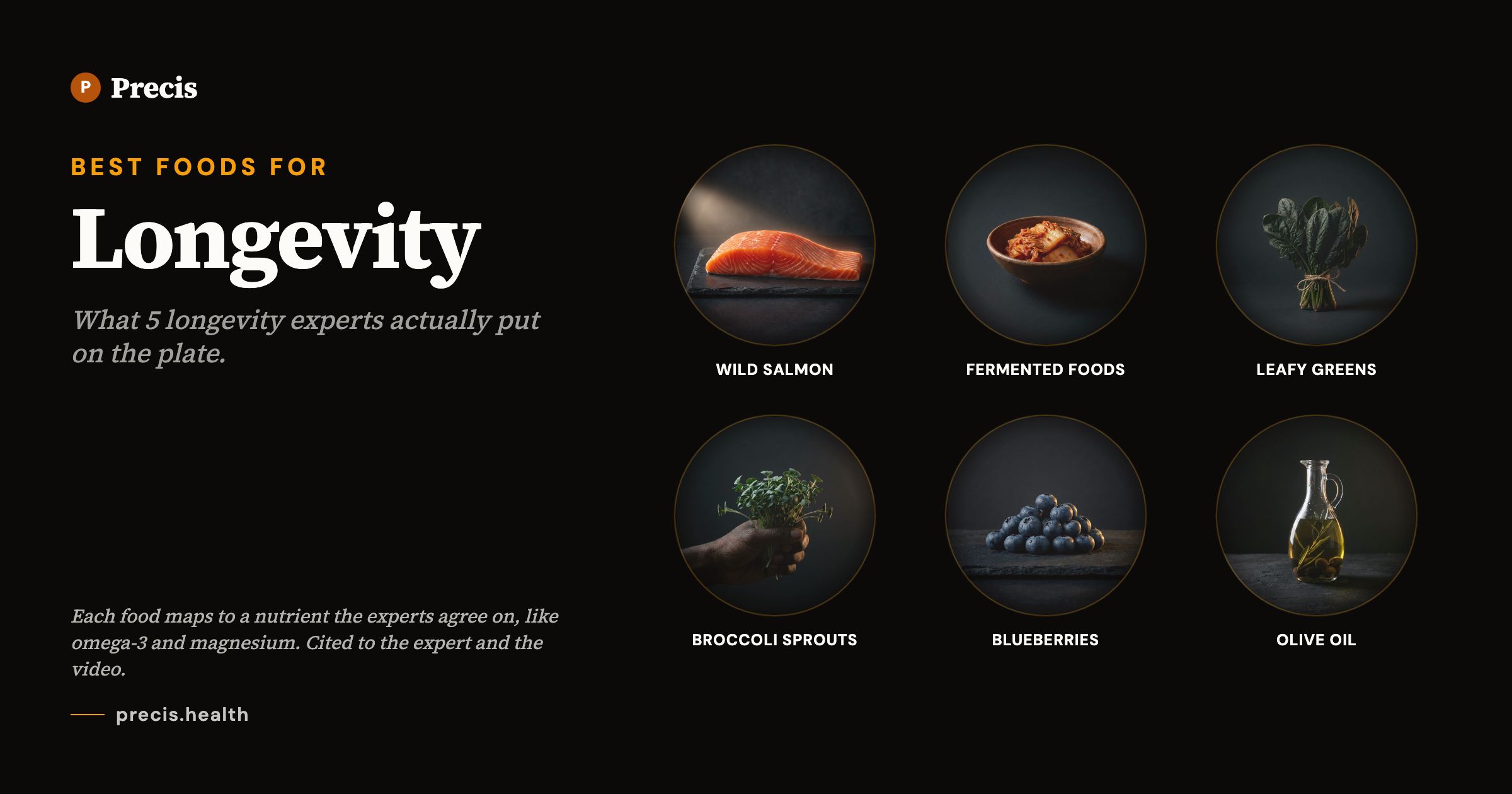
Before the supplement aisle, there's the plate. These are the longevity foods the experts we track recommend most consistently - each one mapped to the consensus nutrient it delivers, with the named expert and the exact video timestamp behind it.
The short answer
The longevity foods experts point to most are fatty fish like wild salmon (omega-3, the panel's highest-consensus nutrient at 4.8/5), low-sugar fermented foods like kimchi and sauerkraut for the gut, and dark leafy greens for magnesium. Broccoli sprouts, extra virgin olive oil, legumes, and blueberries round out the evidence-backed list.
Top Foods for Longevity
Each score is the consensus of the nutrient the food delivers - a lower score usually means fewer of the 5 experts have covered it, not that they disagree. Foods without a dedicated report are marked Expert-cited.
Wild Salmon & Fatty Fish
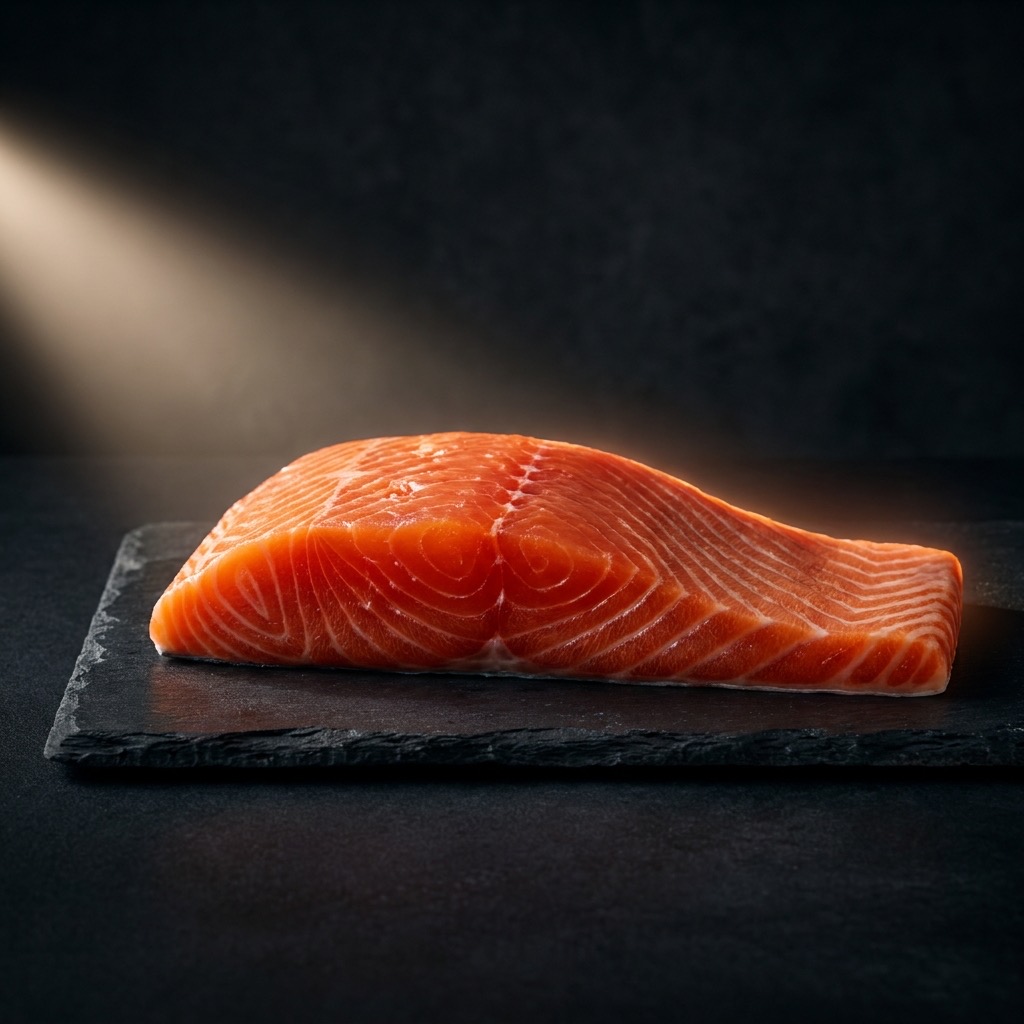
Marine EPA/DHA is the single highest-consensus longevity nutrient. Patrick prefers wild salmon and salmon roe because 40-70% of roe's omega-3 is the brain-preferred phospholipid DHA, versus 1-3% in standard fish - plus the antioxidant astaxanthin.
Fermented Foods (kimchi, sauerkraut, kefir, yogurt)
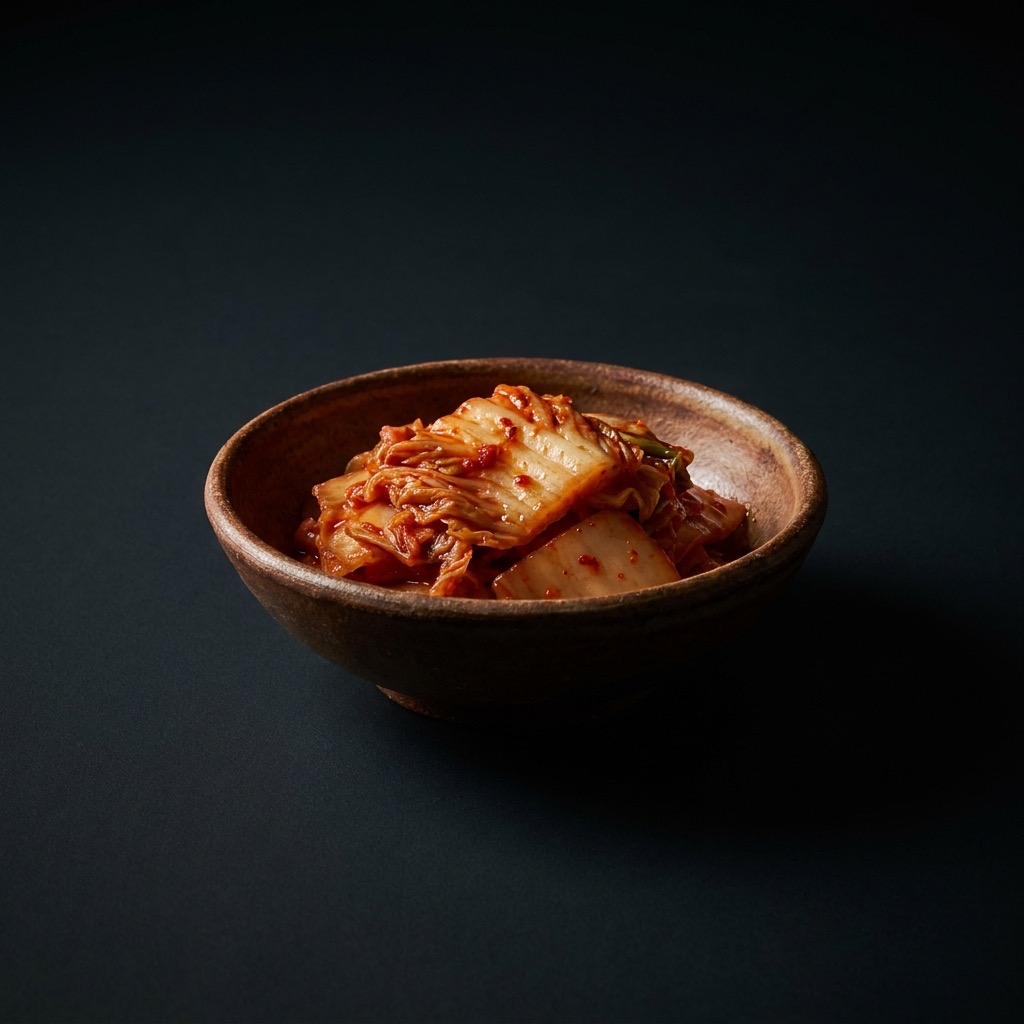
The Stanford trial Huberman and Patrick both cite found low-sugar fermented foods raised microbiome diversity and lowered 20 inflammatory markers - more than fiber alone. Huberman's rule is roughly 4 servings a day, food-first over pills.
Dark Leafy Greens
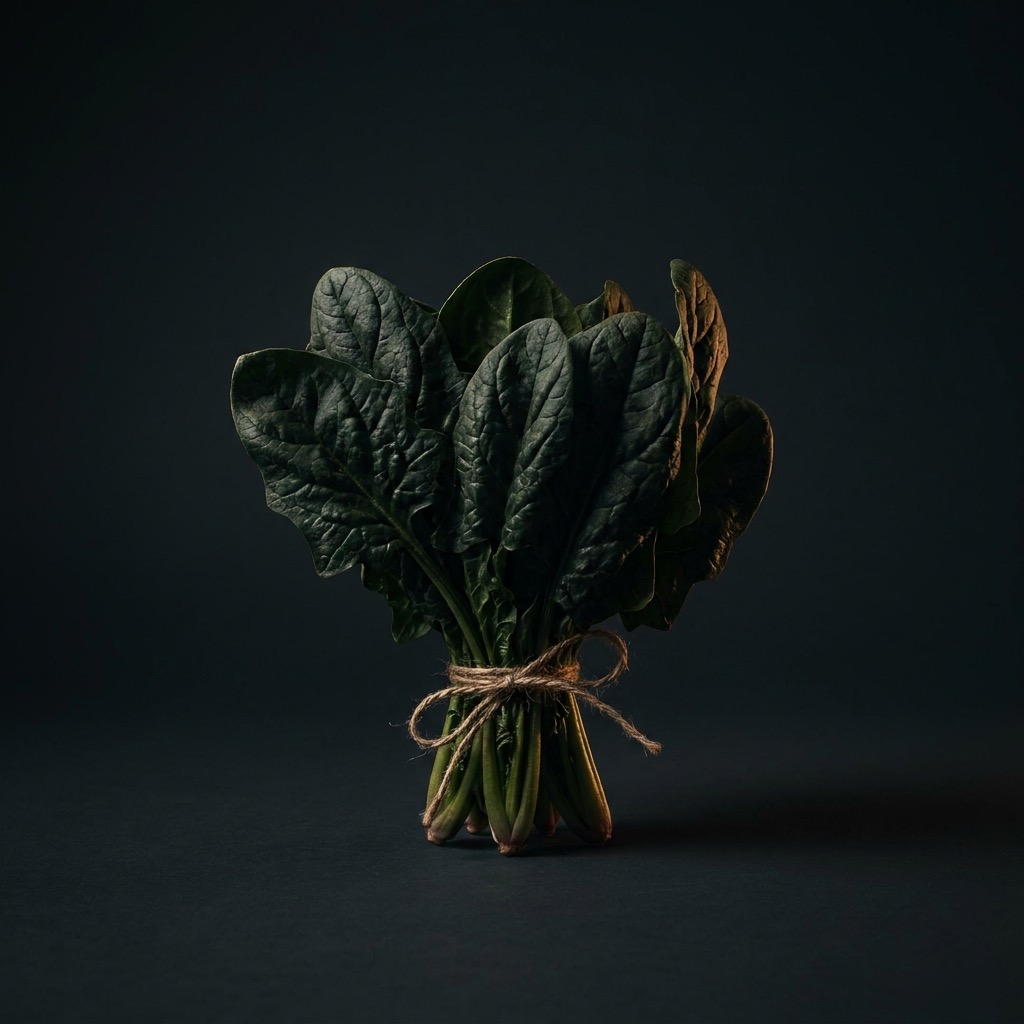
Magnesium is a cofactor for 300+ enzymes including DNA repair, and roughly half of adults fall short. Patrick and Hyman both name dark leafy greens as the top food source; Huberman calls them a primary dietary source, best eaten lightly cooked.

Broccoli Sprouts
Sprouts hold 20-100x the sulforaphane precursor of mature broccoli. Patrick eats them daily to activate the Nrf2 antioxidant pathway, and Fahey confirms they raise plasma and brain glutathione. The lower score reflects that Attia and Johnson haven't covered it - not opposition.
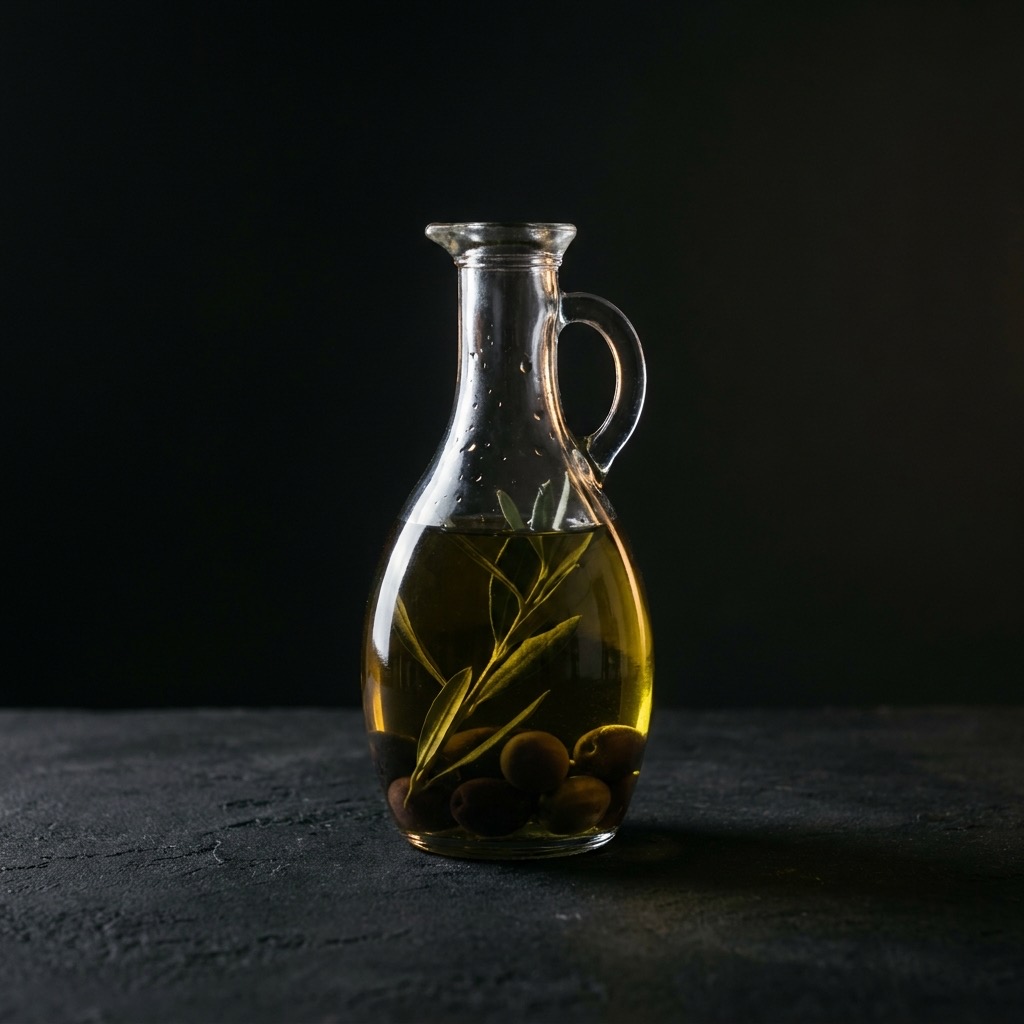
Extra Virgin Olive Oil
Johnson ranks high-polyphenol EVOO as his single number-one anti-aging food (about 1.5 tbsp/day), tracking oxidized LDL and glucose; Hyman makes it a dietary pillar. The score is low only because Huberman and Patrick have no dedicated coverage.
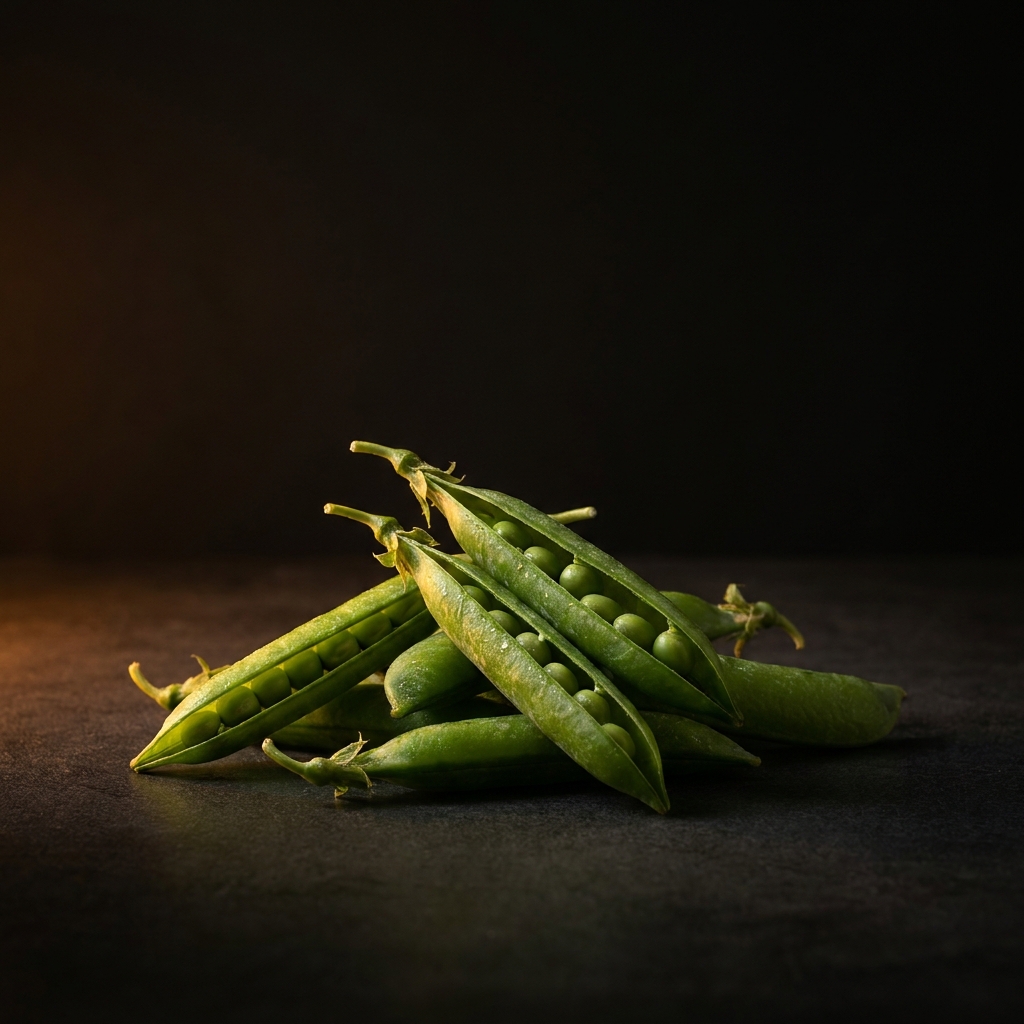
Legumes & Lentils
Johnson's plant-forward Blueprint centers on lentils and chickpeas for protein, fiber, and blood-sugar control; Patrick notes legumes as a magnesium and plant-protein source. Honest caveat - the panel rates plant protein as less leucine-dense than animal.
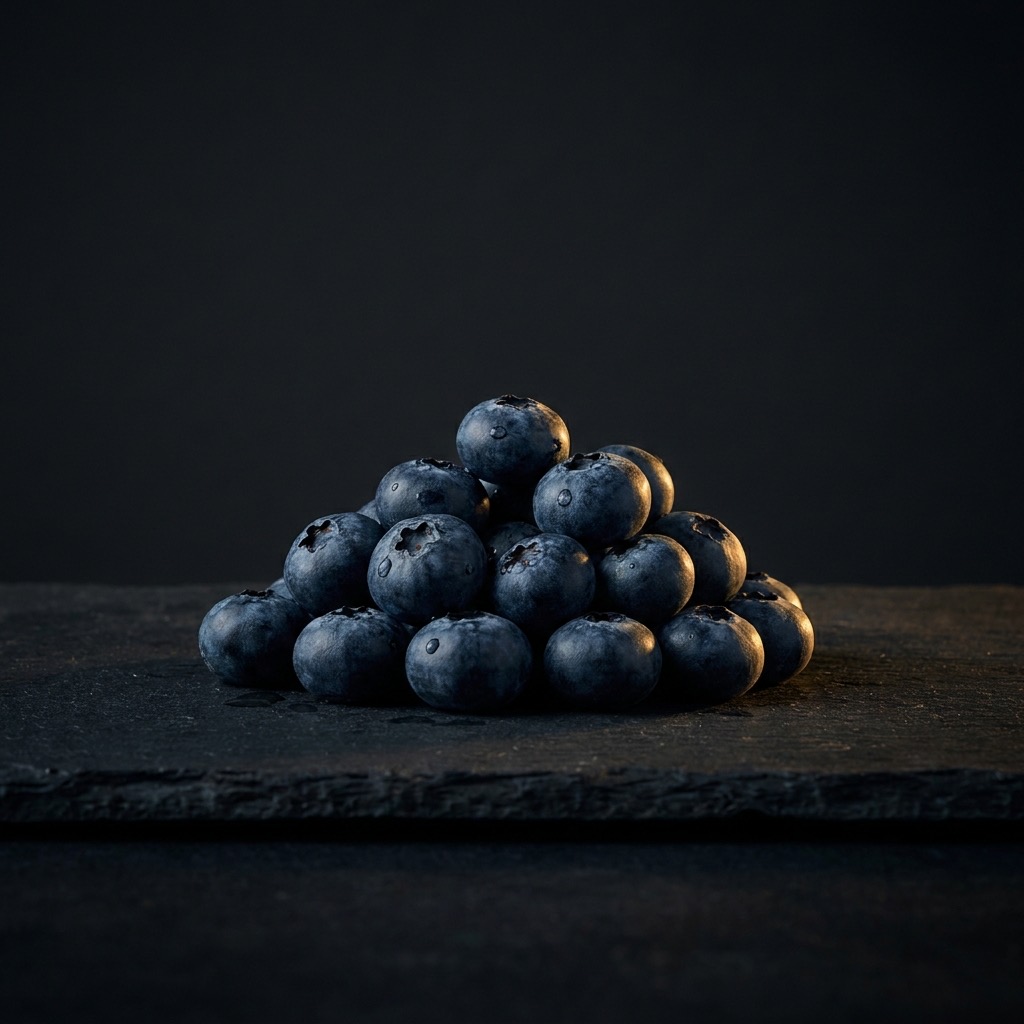
Blueberries & Dark Berries
Patrick highlights blueberries for anthocyanins and pterostilbene, linked to slowing cognitive decline and switching on protective genes. There's no standalone consensus report yet - it's an expert-cited food, not a scored one.

Green Tea
Patrick frames green-tea polyphenols as a gentle hormetic stressor that boosts stress resistance; Hyman lists it among his daily phytohormesis foods. A supporting food - no dedicated consensus report behind it.
Common Mistakes
Relying on plant omega-3 (flax, walnuts, chia) as your main source. The panel notes ALA converts to EPA/DHA at only ~5-10% efficiency - fatty fish or an algae/fish-oil supplement is far more reliable.
Reaching for a probiotic pill before fixing the plate. The Stanford data Huberman cites favored fermented foods over supplements for raising microbiome diversity.
Reading a lower consensus score (olive oil, broccoli sprouts) as "weak." It usually means fewer of the 5 experts have covered that food, not that they disagree.
Related Questions
Know the foods. Now get the protocol.
This page shows the foods researchers point to for longevity, with the source behind each one. Pro unlocks the supplement protocols that go with them - exact dosages, timing, forms - and lets you chat the full expert dataset with cited answers.
Cancel anytime