Food guide
Best Foods for Lowering Cancer Risk
Read this first: food lowers long-term cancer risk over years. It does not treat or cure cancer, and nothing here replaces screening or an oncologist. With that line held, a few foods have real, cited support for risk reduction. Each is mapped to the nutrient it delivers, with the source and the exact video timestamp behind it.
The short answer
The foods most consistently tied to lower cancer risk are cruciferous vegetables and broccoli sprouts: the highest cruciferous consumers had a 22% lower all-cause mortality. High-fiber foods and green tea's polyphenols follow. These shift long-term risk; they do not treat or cure cancer, which is a decision for your doctor.
Top Foods for Cancer Risk
The badge is the verdict on the nutrient the food delivers, worked out from every counted mention of it. Each dot is one source: a researcher or a study. Most nutrients do not have enough counted evidence for a verdict yet. Foods with no linked nutrient show No verdict yet.
positive partly neutral negative Each researcher and each study counts once per claim, however often they come up.
-
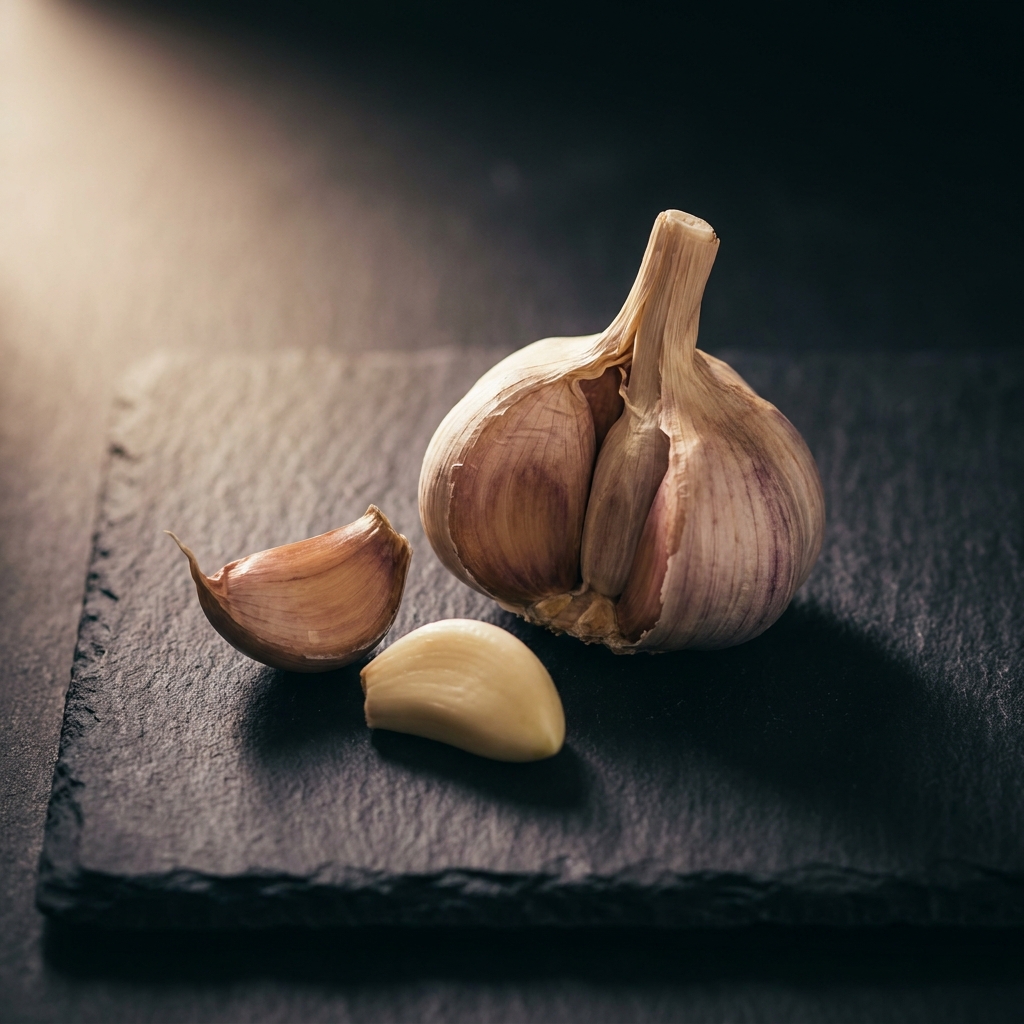
Garlic & Alliums (onions, leeks)
Leaning forMark Hyman groups sulfur-rich alliums with cruciferous vegetables for feeding glutathione and the Phase-II detox enzymes that help clear carcinogens. Supportive mechanism here, not a standalone cancer trial.
Source: “How to Boost The #1 Molecule for Anti-Aging & Detox (Mark Hyman)”, on The Dr. Hyman Show, at 03:586 sources: 6 partly6 sources: 6 partly
-
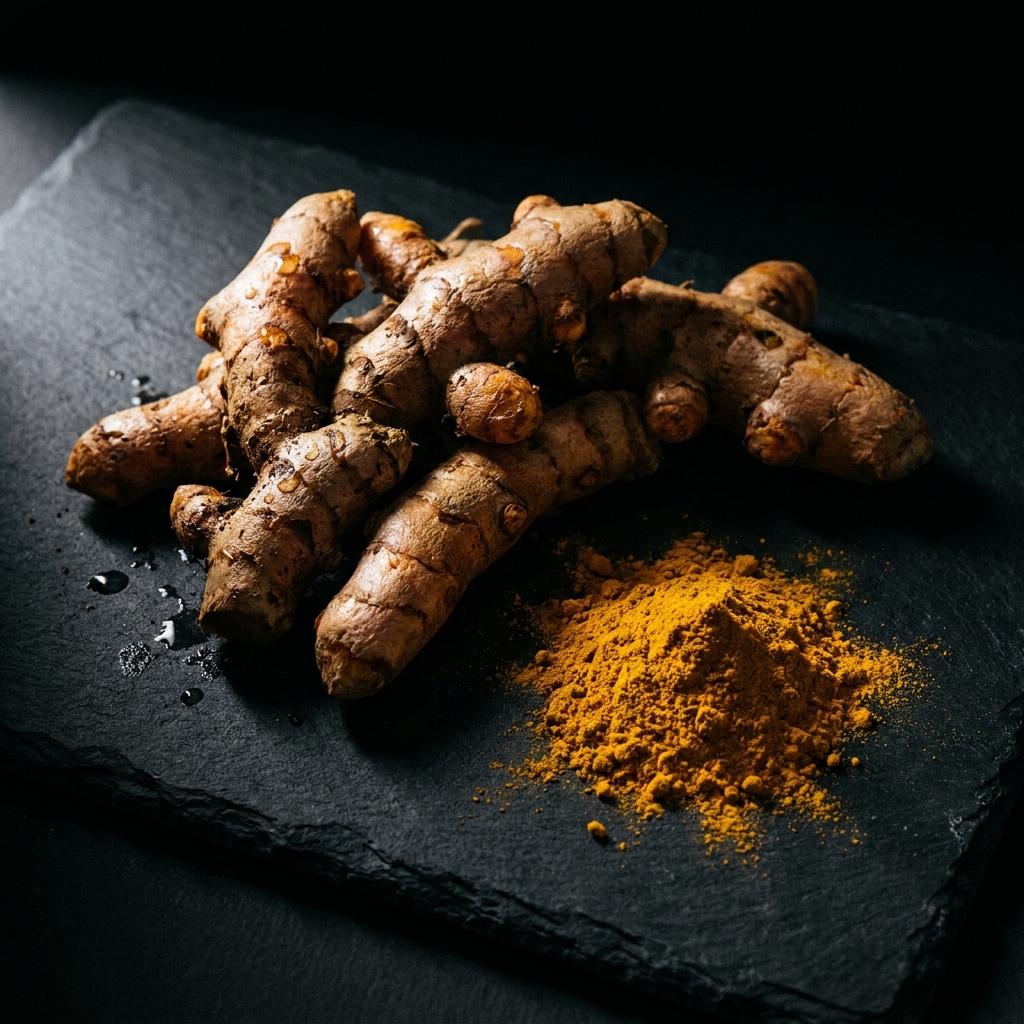
Turmeric
Leaning forCurcumin, like sulforaphane, is framed as a mild stressor that switches on the cell's own protective and anti-inflammatory responses (hormesis). An anti-inflammation and cellular-defense food here, not a cancer treatment, and chronic megadosing is cautioned against.
Source: “Dr. Mark Mattson on the Benefits of Stress, Metabolic Switching, Fasting, and Hormesis”, on FoundMyFitness, at 27:473 sources: 2 positive, 1 partly3 sources: 2 positive, 1 partly
-
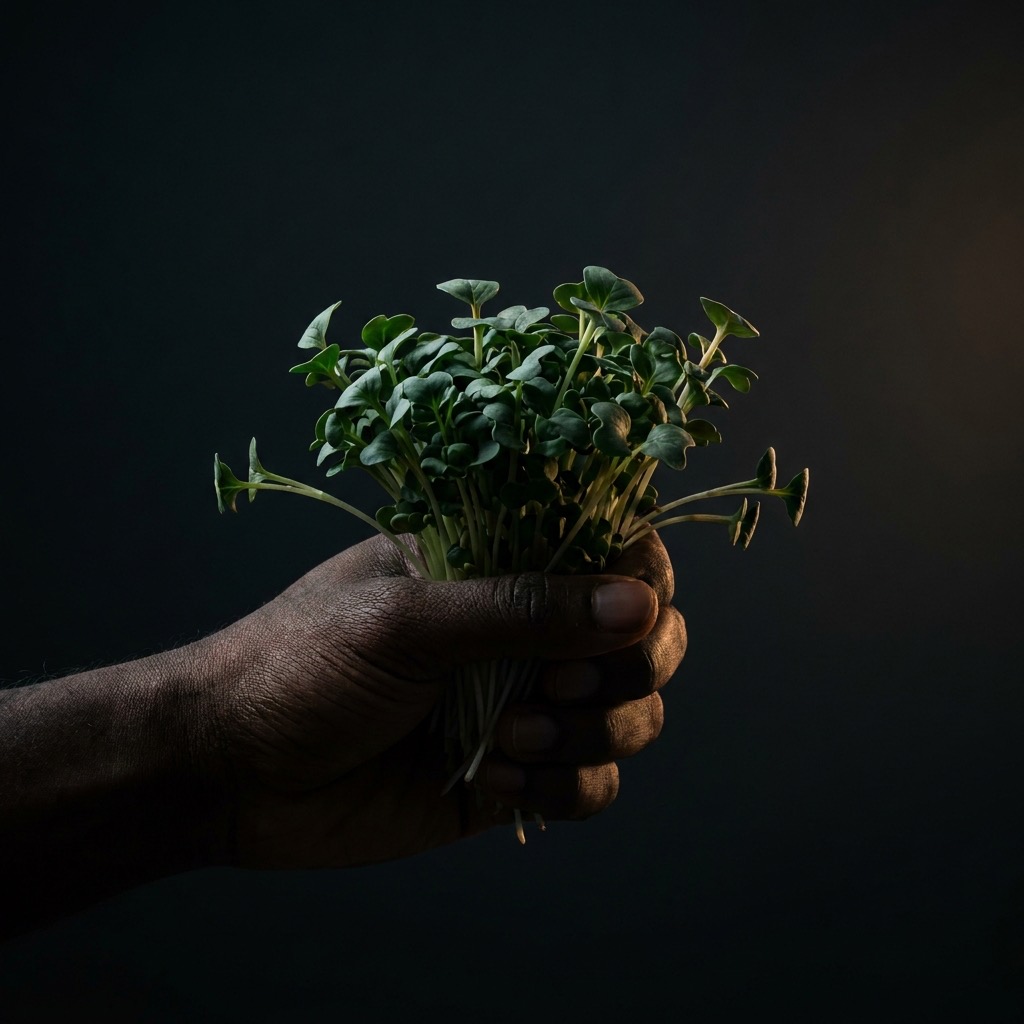
Cruciferous Vegetables & Broccoli Sprouts
Not enough evidenceThe lead anti-cancer food. The top 20% of cruciferous consumers had a 22% lower all-cause mortality, with links to lower prostate, bladder, lung and breast cancer risk. Sulforaphane raises excretion of carcinogens like benzene via the Nrf2 pathway. Thin coverage here reflects less discussion, not opposition.
Source: “Sulforaphane and Its Effects on Cancer, Mortality, Aging, Brain and Behavior, Heart Disease & More”, on FoundMyFitness, at 00:411 source: 1 partly1 source: 1 partly
-
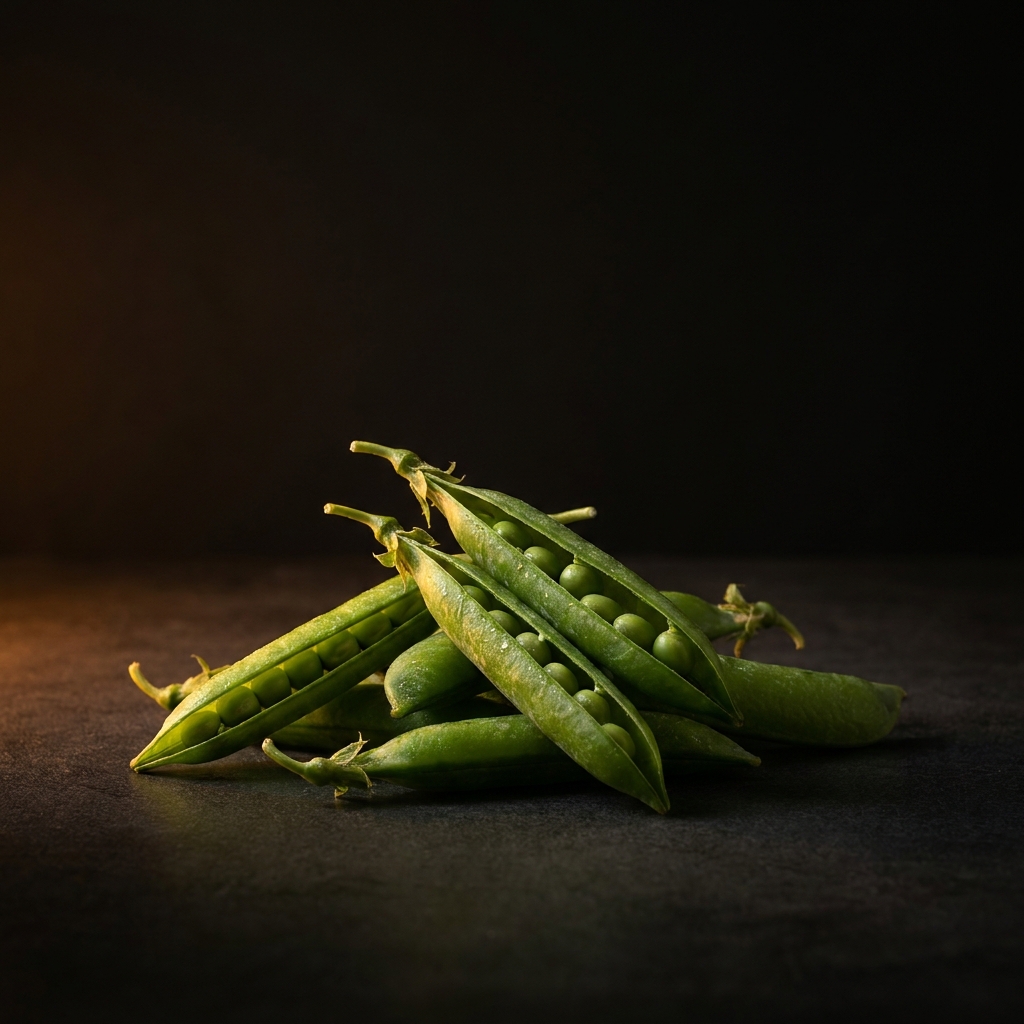
High-Fiber Foods (legumes, whole grains, vegetables)
No verdict yetDietary fiberEven accounting for the limits of observational data, the link between higher fiber intake and reduced cardiovascular and cancer risk is called compelling. Fiber is critical for binding and clearing toxins. It's a cited food without a full report behind it yet.
Source: “Fiber: how to approach intake, sources, benefits, and more (Peter Attia & Layne Norton)”, on The Drive, at 01:23 -
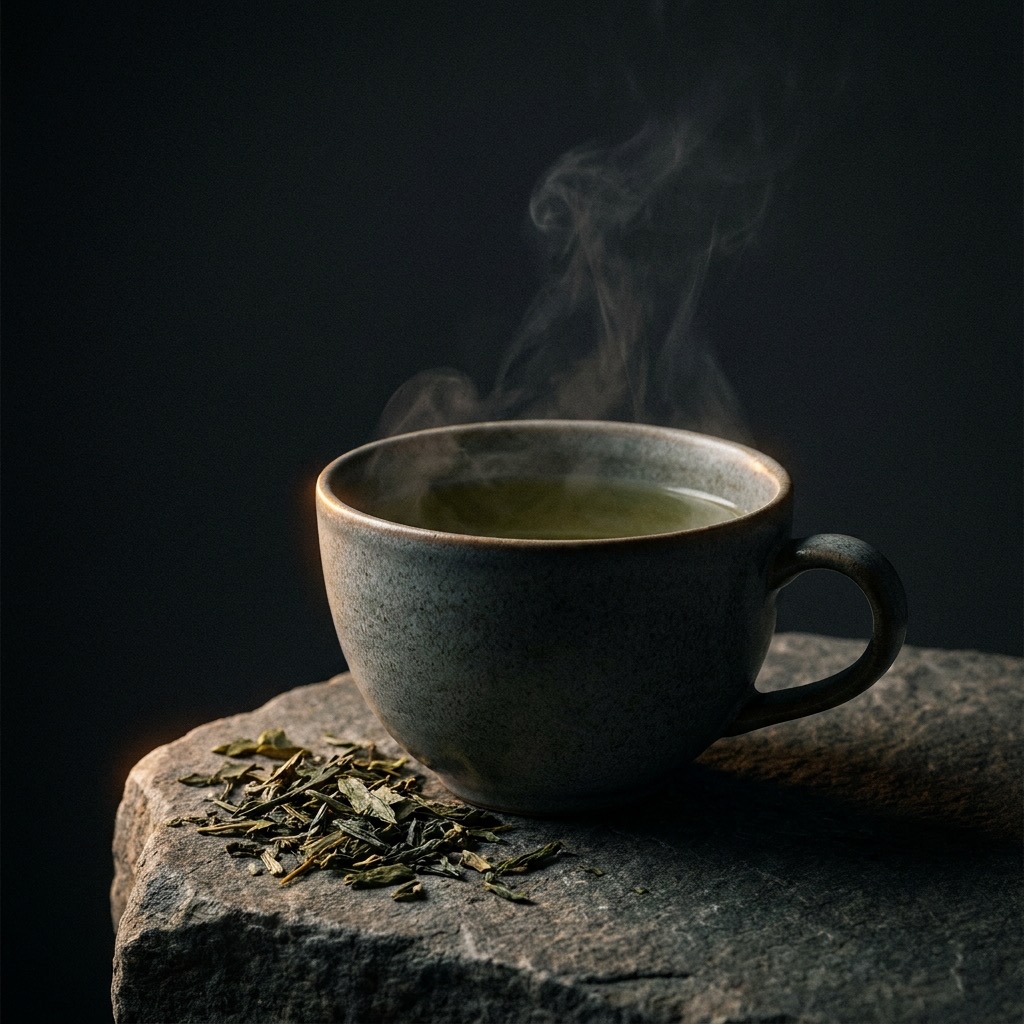
Green Tea
No verdict yetPolyphenols (EGCG)Mark Hyman highlights green tea's EGCG for anti-angiogenic effects, limiting the blood supply tumors need to grow, and for supporting tumor-suppressor genes and glutathione. A supporting food, with no full report behind it.
Source: “A Masterclass On Reversing Your Age & Preventing Chronic Disease (Mark Hyman)”, on The Dr. Hyman Show, at 1:40:59
Precis is not affiliated with or endorsed by YouTube or by any researcher, show or publisher we quote. We take no sponsorship, ad or affiliate money, and every verdict is our own review of what was said. How we stay independent
Common Mistakes
- Treating food or fasting as a cancer treatment. These are long-term risk reduction. Fasting is studied only as a possible adjunct that may sensitize cancer cells to chemotherapy while protecting healthy ones, alongside oncology care, never instead of it.
- Megadosing antioxidant supplements during treatment. High-dose glutathione or NAC may interfere with chemotherapies that work through oxidative stress - a question for your oncologist, not a self-treatment.
- Assuming more selenium means less cancer. The SELECT trial found no cancer-prevention benefit from selenium in selenium-sufficient men. Nobody in the sources makes a cancer claim for it, which is why Brazil nuts aren't on this list.
- Eating clean but skipping screening. Diet shifts long-term risk; it does not replace age-appropriate cancer screening. The food is the hedge, not the test.
The medical side
Fasting & cancer: adjunct, not a cure
The most dangerous myth online is that fasting cures cancer. The real evidence is narrower: fasting is studied as something that may sensitize cancer cells to chemotherapy while protecting healthy ones, alongside treatment and never instead of it. See what the evidence says, cited.
Related Questions
Know the foods. Now get the protocol.
This page shows the foods researchers point to for cancer risk, with the source behind each one. A free account opens the supplement protocols that go with them: dose, timing and form. Pro adds chat with cited answers.
Cancel anytime