Consensus Report
Sulforaphane
Moderate Consensus
3 of 5 covered — capped
Based on 28 episodes (39 hours analyzed) across the experts · Updated 2026-03-23
On the record
Checked against the tape: 2026-03-23
- 28 · 39 h
- episodes · hours
- 5 / 5
- experts on tape
- 24
- timecoded clips
- 8
- voices on tape
Voices: Andrew Huberman, Peter Attia, Rhonda Patrick, Bryan Johnson, Mark Hyman · guests Jed Fahey, Mark Mattson, Alberto Villoldo
At a glance
Unlock with Pro ↓- Dose
- Form
- Timing
- Evidence
- Agreement
- 3 of 5 experts agree · 4 open disagreements
Expert Positions
The Verdict
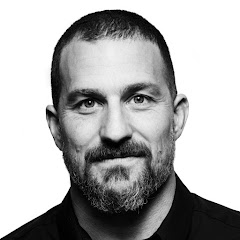
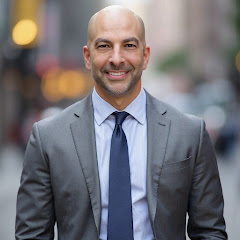
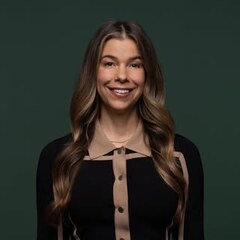
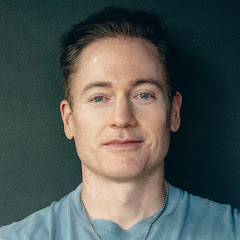
3 of 5 experts actively discuss sulforaphane, with Patrick being the dominant authority. Patrick has dedicated multiple videos to sulforaphane's Nrf2 activation, cancer prevention, and detoxification benefits, and personally consumes broccoli sprouts daily. Huberman covers sulforaphane through guest episodes with Patrick, endorsing it for detoxification and liver support. Hyman references sulforaphane frequently as a phytochemical within broader food-as-medicine discussions. Attia and Johnson have no direct sulforaphane coverage in analyzed videos.
Where They Disagree
Patrick is significantly more bullish on supplemental sulforaphane than the other experts. She dedicates entire episodes to the compound and personally takes broccoli sprouts daily, while Hyman and Huberman discuss it as one beneficial phytochemical among many.
There is a food-vs-supplement divide: Patrick and Fahey emphasize that broccoli sprouts are the ideal source but acknowledge supplements can work if they contain both glucoraphanin and myrosinase. Hyman consistently frames sulforaphane benefits through whole cruciferous vegetable consumption rather than isolated supplementation.
+ 2 more disagreements in the full report
What the Tape Covers
24 clips across 22 videos
Where each expert stands on sulforaphane, and the moment on the tape that shows it. Every timecode opens the source video at that second — check any of them yourself.
On the Huberman Lab channel, sulforaphane is discussed in four episodes — primarily through guest appearances by Dr. Rhonda Patrick. In their micronutrient episodes, Patrick explains sulforaphane's benefits for Nrf2 activation and detoxification, recommending broccoli sprouts and mustard seed powder to restore myrosinase activity in cooked broccoli. Huberman independently covers sulforaphane in his microplastics episode, recommending it for supporting phase two liver detoxification to help excrete endocrine-disrupting chemicals. In an AMA episode, he mentions cruciferous vegetables as important dietary adaptogens that should not be overcooked to preserve their micronutrients.
4 more clips
- 15:45 · Micronutrients for Health & Longevity | Dr. Rhonda Patrick (Guest: Rhonda Patrick)
- 01:45 · Essentials: Micronutrients for Health & Longevity | Dr. Rhonda Patrick (Guest: Rhonda Patrick)
- 01:00:03 · The Effects of Microplastics on Your Health & How to Reduce Them
- 01:16 · AMA #3: Adaptogens, Fasting & Fertility, Bluetooth/EMF Risks, Cognitive Load Limits & More
Rhonda Patrick is the foremost advocate for sulforaphane across all five experts, dedicating at least 11 videos to the compound. She has conducted two in-depth interviews with Dr. Jed Fahey, the world's leading sulforaphane researcher, covering dosage (50-100 micromoles daily), sourcing, sprouting techniques, safety, and clinical applications. Patrick published practical how-to guides on growing broccoli sprouts and maximizing sulforaphane yield through precise heating (70C for 10 minutes) and mustard seed powder addition. Her comprehensive sulforaphane episode covers cancer prevention (22% reduction in all-cause mortality for top cruciferous consumers), cardiovascular benefits (reduced oxidized LDL and triglycerides), brain health (neuroprotection against Alzheimer's, Parkinson's, and depression), detoxification of environmental toxins (benzene excretion), and prostate cancer progression slowing. Patrick personally consumes broccoli sprouts daily in her micronutrient smoothie and considers sulforaphane one of the most important phytochemicals for health optimization.
…protein can be deactivated with heat but so can the myrosinase enzyme itself the trick is to heat your broccoli Sprouts up to the point that they disable the epithio specifer protein while not getting the Sprouts so hot that they disable the myosinase enzyme that is responsible for creating sulfurin from the precursor glucoraphanin if you do this just right you can approximately triple the bioavailability of sulforaphane in your Sprouts if you go too hot for too long however you run the risk of disabling myrosinase so as it turns out the best protocol for your Sprouts is about 10 minutes at 70 degrees Celsius or 6 degrees Celsius if…
▶ 01:02 · How To Increase Sulforaphane in Broccoli Sprouts by ~3.5-fold
10 more clips
- 00:04 · Sulforaphane and Its Effects on Cancer, Mortality, Aging, Brain and Behavior, Heart Disease & More
- 00:41 · Sulforaphane and Its Effects on Cancer, Mortality, Aging, Brain and Behavior, Heart Disease & More
- 00:37 · Jed Fahey, Sc.D. on Isothiocyanates, the Nrf2 Pathway, Moringa & Sulforaphane Supplementation (Guest: Jed Fahey)
- 02:43 · Q&A with Dr. Jed Fahey on Sulforaphane, Moringa and Chemoprotection (Guest: Jed Fahey)
- 01:14 · How to 4x Your Sulforaphane Intake with Mustard Seeds | Dr Rhonda Patrick
- 00:20 · How to Grow Broccoli Sprouts (Guest: Jed Fahey)
- 10:55 · Dr. Rhonda Patrick: Optimizing Longevity with Micronutrients & Vigorous Exercise
- 01:43 · Rhonda's Ultimate Micronutrient Smoothie
- 27:47 · Dr. Mark Mattson on the Benefits of Stress, Metabolic Switching, Fasting, and Hormesis (Guest: Mark Mattson)
- 11:30 · What Microplastics Are Doing to the Brain, Body, and Reproductive Systems
Hyman discusses sulforaphane across at least 13 videos, consistently framing it within his food-as-medicine and functional medicine philosophy. He positions sulforaphane and cruciferous vegetables as essential for Nrf2 pathway activation, liver detoxification (upregulating glutathione-binding enzymes), cancer prevention, immune support, gut microbiome health, and brain regeneration. His coverage includes guest interviews with Dr. Rhonda Patrick (discussing sulforaphane's role in detoxification and NRF2 activation), Dr. William Li (broccoli sprouts boosting immune responses to vaccines), and Dr. Elizabeth Boham (sulforaphane in cancer prevention protocols). Hyman emphasizes consuming sulforaphane through whole cruciferous vegetables — broccoli, kale, arugula, and especially broccoli sprouts — rather than isolated supplements, as part of a phytonutrient-rich diet.
…the cruciferous vegetables probably are number one um you know there's so many compounds in there that we've identified they are there's quite a few um you know broccoli cauliflower cabbage kale um arugula's in that family collards kohlrabi yeah a lot of really just the dark greens and what they do i mean they have a lot of compounds but the liver has two phases of detoxification and you really want to support both phases to have good detox and the compounds like the sulforaphane which is probably most rich in broccoli sprouts support both those pathways so sulfation's a really important pathway that you want to support because that builds up glutathione right…
▶ 00:10 · The Best Detoxifying Foods
8 more clips
- 02:15 · This Bacterial Toxin is Causing Depression | Dr. Rhonda Patrick (Guest: Rhonda Patrick)
- 03:03 · This Bacterial Toxin is Causing Depression | Dr. Rhonda Patrick (Guest: Rhonda Patrick)
- 17:30 · DO THESE Daily Things To Reduce Your Risk Of CANCER | Mark Hyman
- 02:37 · Only 1% of Amazon Natives Get Dementia—Here's the Brain-Healing Secret (Guest: Alberto Villoldo)
- 00:00 · Eating For COVID-19 Resilience
- 01:37 · The 5 Simple Hacks For INSANE LONGEVITY You Can Implement TODAY (Guest: Casey Means)
- 04:15 · Use These NUTRITION TIPS To Help Heal Your Body TODAY! | Mark Hyman & Max Lugavere
- 15:16 · DAILY NUTRITION TIPS To Boost Brain Health & PREVENT DISEASE! | Dr. Elizabeth Boham (Guest: Elizabeth Boham)
Quoted passages are the automatic transcript from the second the link opens, with mis-transcribed terms corrected and nothing else changed. A quote appears only where the expert recorded alone and the passage is about sulforaphane — where someone else was in the room, you get the timecode without a quote, because the tape does not record who said which line.
About This Analysis
This consensus report on Sulforaphane is based on 28 videos (39 hours analyzed) from five longevity experts: Andrew Huberman, Peter Attia, Rhonda Patrick, Bryan Johnson, and Mark Hyman. Each expert's position was independently analyzed from their published video content, including lectures, podcast episodes, and Q&A sessions with 640+ guests, 310+ of them scientists and physicians.
The full report includes 8 key findings, dosage and protocol details, expert deep dives with direct video citations and timestamps, risk considerations, and related supplement synergies.
Frequently Asked Questions
How much sulforaphane should you take per day?
Dr. Jed Fahey (via Patrick) puts the daily target at 50-100 micromoles of sulforaphane — roughly 50-100g of fresh broccoli sprouts. Actual content varies significantly by genetics, growing conditions, and preparation method. Patrick doesn't fix a pill dose; she gets hers from broccoli sprouts in her morning micronutrient smoothie.
Broccoli sprouts vs sulforaphane supplement — which is better?
Patrick and Fahey favor fresh broccoli sprouts, which contain 20-100x more glucoraphanin (the sulforaphane precursor) than mature broccoli. Supplements can work, but quality varies enormously — many contain glucoraphanin without active myrosinase, the enzyme needed to convert it. Choose products with both. Hyman frames benefits through whole cruciferous vegetables rather than isolated pills.
Does sulforaphane help with detox?
Yes. Huberman recommends sulforaphane for phase two liver detoxification to help excrete endocrine-disrupting chemicals from microplastic exposure. Patrick cites increased excretion of carcinogens like benzene through Nrf2-mediated detoxification, and Hyman notes it upregulates enzymes that let glutathione bind toxins for excretion. It also boosts glutathione in both the brain and plasma.
What does sulforaphane do in the body (Nrf2)?
Patrick calls sulforaphane the most potent natural activator of the Nrf2 pathway, which regulates over 200 genes involved in antioxidant defense, detoxification, and anti-inflammatory response. Through Nrf2 it boosts glutathione and helps excrete carcinogens. Patrick also links the top 20% of cruciferous consumers to a 22% reduction in all-cause mortality.
How do you get the most sulforaphane from broccoli?
Myrosinase — the enzyme that converts glucoraphanin to sulforaphane — is heat-sensitive, so overcooking destroys it. Patrick's fixes: eat raw or lightly steamed, heat broccoli sprouts to exactly 70C for 10 minutes (deactivating the epithiospecifier protein and tripling yield), or add mustard seed powder after cooking to restore myrosinase and boost bioavailability up to 4-fold.
Common Questions
Related Reports
Unlock the Full Report
Get dosages, timing protocols, expert deep dives with video citations, and risks for Sulforaphane.
Every recommendation traces back to a specific expert, video, and timestamp.
$9/month or $79/year · Cancel anytime