Food guide
Best Foods for Heart Health
Cardiovascular disease is the number-one killer, and the sources keep returning to the same short list of foods. Each is mapped to the nutrient and the trial behind it, and to the marker that matters most, ApoB.
The short answer
The heart foods with the most support are omega-3 fatty fish (salmon, sardines) and nuts, both tied to fewer cardiovascular events in trials. Extra virgin olive oil, magnesium- and nitrate-rich leafy greens, garlic, legumes and berries round out the list, grounded in cholesterol, blood-pressure and anti-inflammatory mechanisms.
Top Foods for Heart Health
The badge is the verdict on the nutrient the food delivers, worked out from every counted mention of it. Each dot is one source: a researcher or a study. Most nutrients do not have enough counted evidence for a verdict yet. Foods with no linked nutrient show No verdict yet.
positive partly neutral negative Each researcher and each study counts once per claim, however often they come up.
-

Leafy Greens & Beets
Strong consensus forTwo mechanisms converge on greens. Nitrate-rich greens and beets become nitric oxide, promoting vasodilation and lower blood pressure, and dark leafy greens are a top magnesium source, which supports blood pressure.
Source: “The Best Foods To Eat To Heal The Body (Rupy Aujla)”, on The Dr. Hyman Show, at 29:078 sources: 6 positive, 2 partly8 sources: 6 positive, 2 partly
-
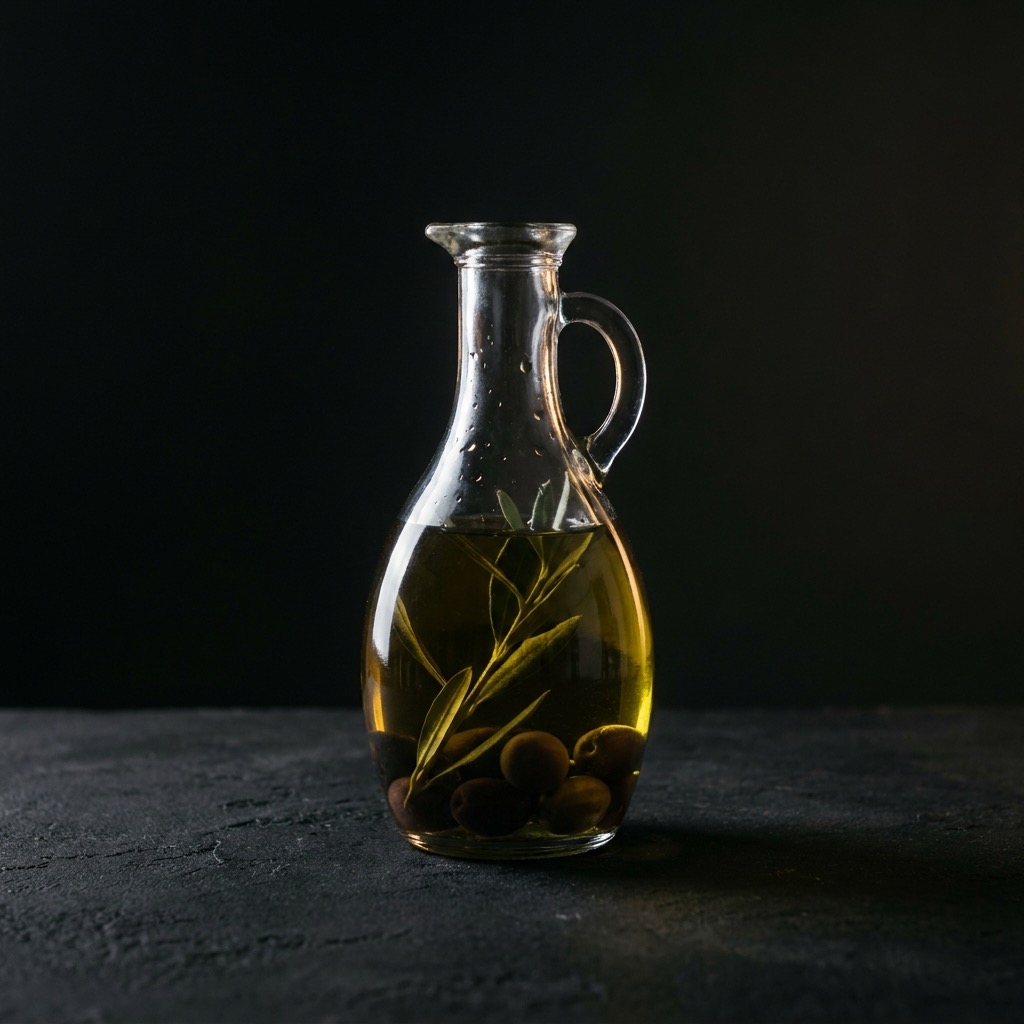
Extra Virgin Olive Oil
Strong consensus forBryan Johnson calls high-polyphenol EVOO his number-one anti-aging food and cites its drop in oxidized LDL and blood sugar. It's also framed as protective against TMAO, a gut metabolite tied to heart disease. The PREDIMED arm above used EVOO.
Source: “This Food Keeps You Young & This Oil Reduces Inflammation”, on Bryan Johnson's channel, at 27:095 sources: 4 positive, 1 partly5 sources: 4 positive, 1 partly
-
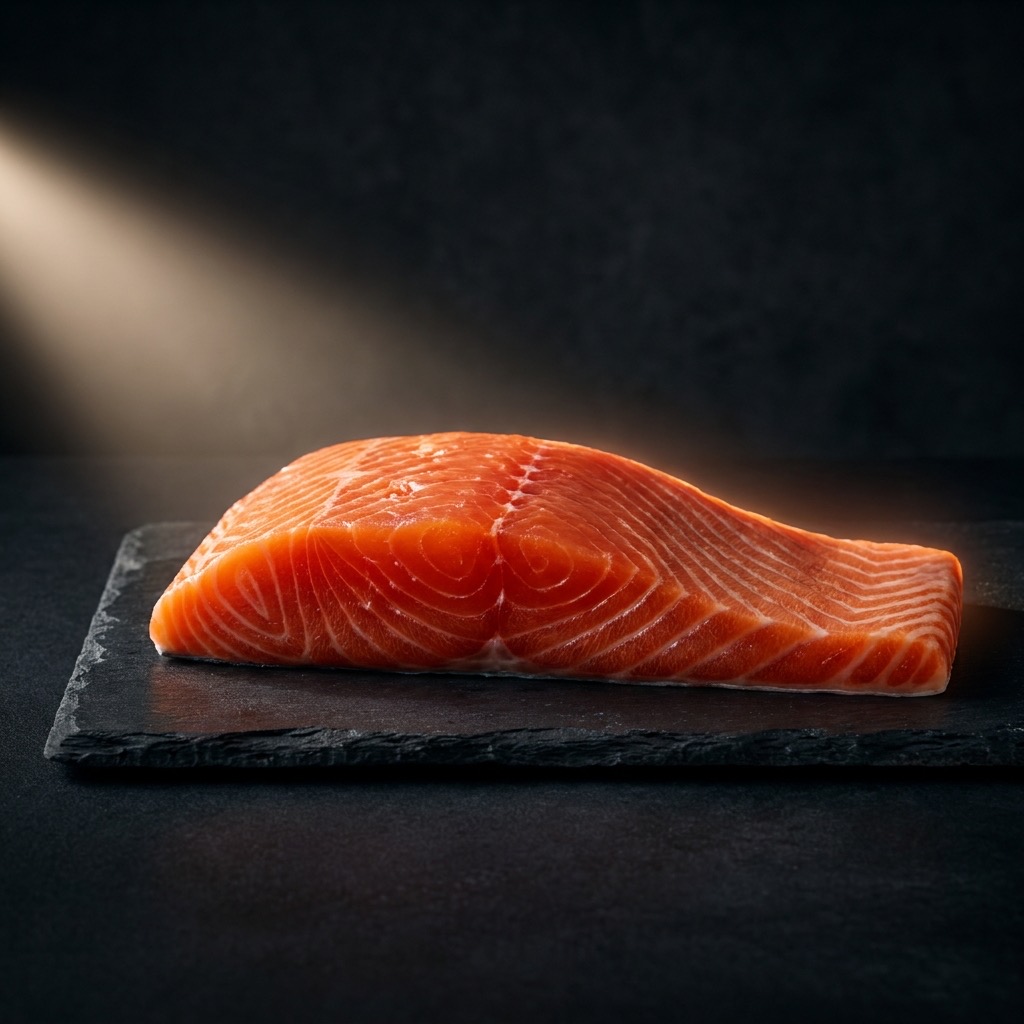
Fatty Fish (salmon, sardines)
Leaning forOmega-3 is one of the best-supported topics in the dataset. A 17-study meta-analysis linked higher EPA/DHA blood levels to lower cardiovascular death, and in the REDUCE-IT trial 4g of pure EPA cut major cardiovascular events.
Source: “Omega-3 May Reduce Risk of Premature Death”, on FoundMyFitness, at 01:34+1 17 sources: 7 positive, 10 partly17 sources: 7 positive, 10 partly
-
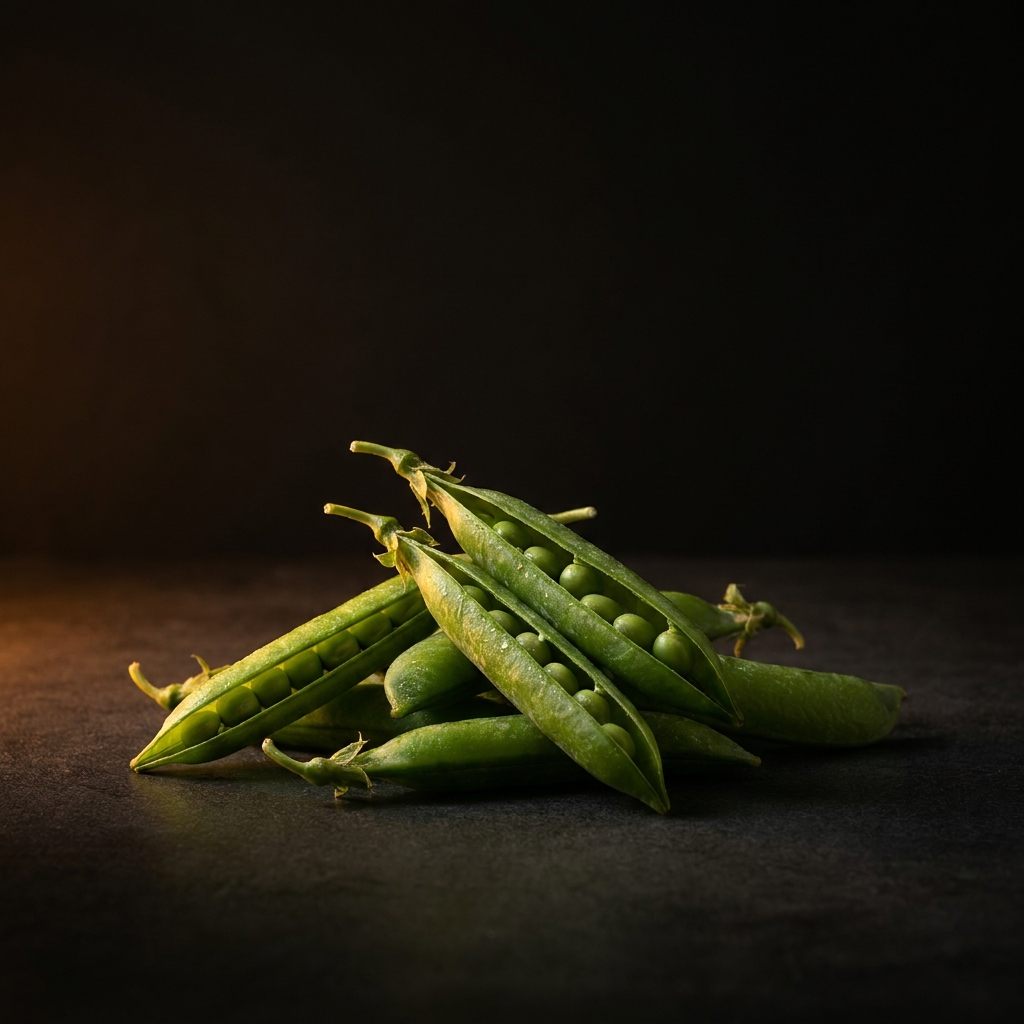
Legumes & Lentils
Leaning forPlant sterols and soluble fiber from legumes block cholesterol reabsorption, and beans are a core longevity-diet staple. Black lentils are eaten daily in some regimens for fiber and blood-sugar control. The soluble-fiber mechanism is the grounded heart link.
Source: “A Masterclass On Reversing Your Age & Preventing Chronic Disease”, on The Dr. Hyman Show, at 53:0416 sources: 5 positive, 11 partly16 sources: 5 positive, 11 partly
-
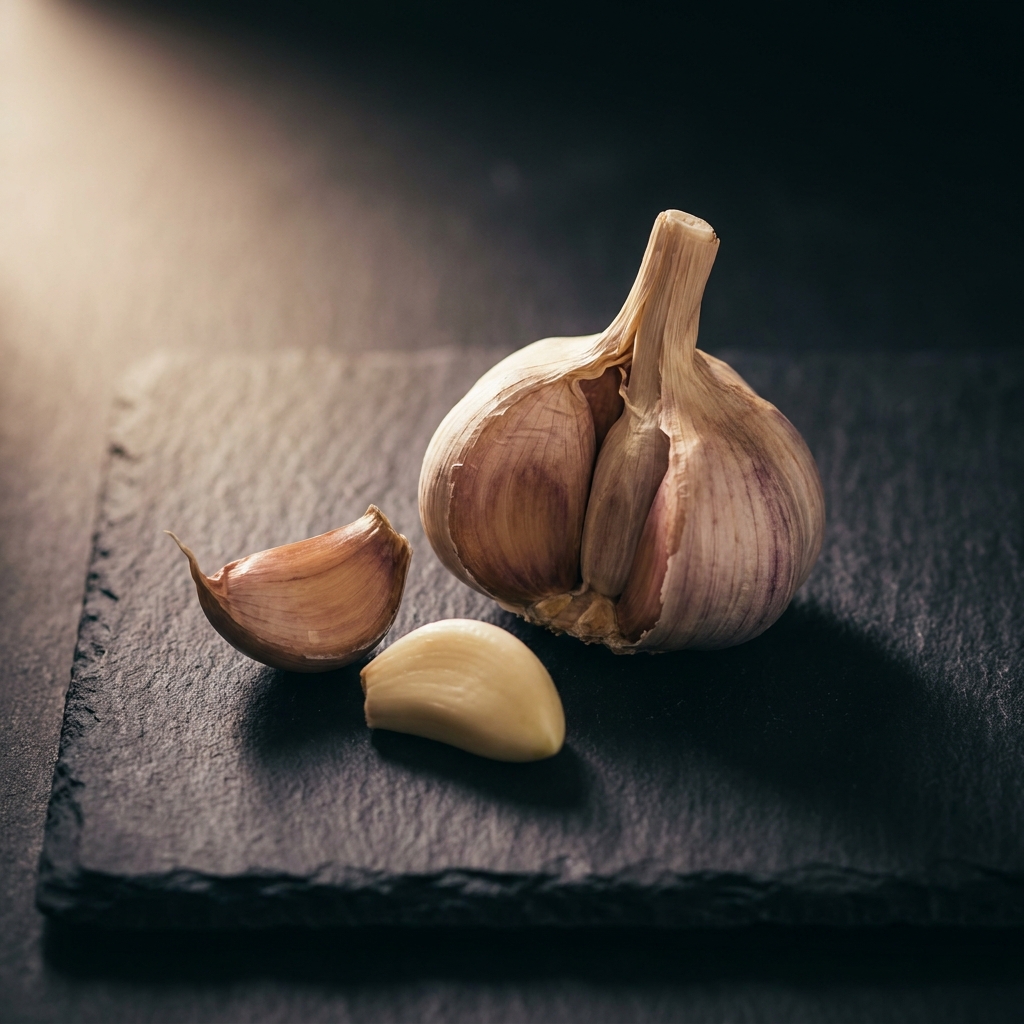
Garlic
Leaning forBryan Johnson takes odor-free garlic daily for cholesterol management, and garlic is a sulfur-rich food that raises glutathione. The heart angle rests mainly on that cholesterol use case.
Source: “Why I Take 100+ Pills Every Day”, on Bryan Johnson's channel, at 01:056 sources: 6 partly6 sources: 6 partly
-
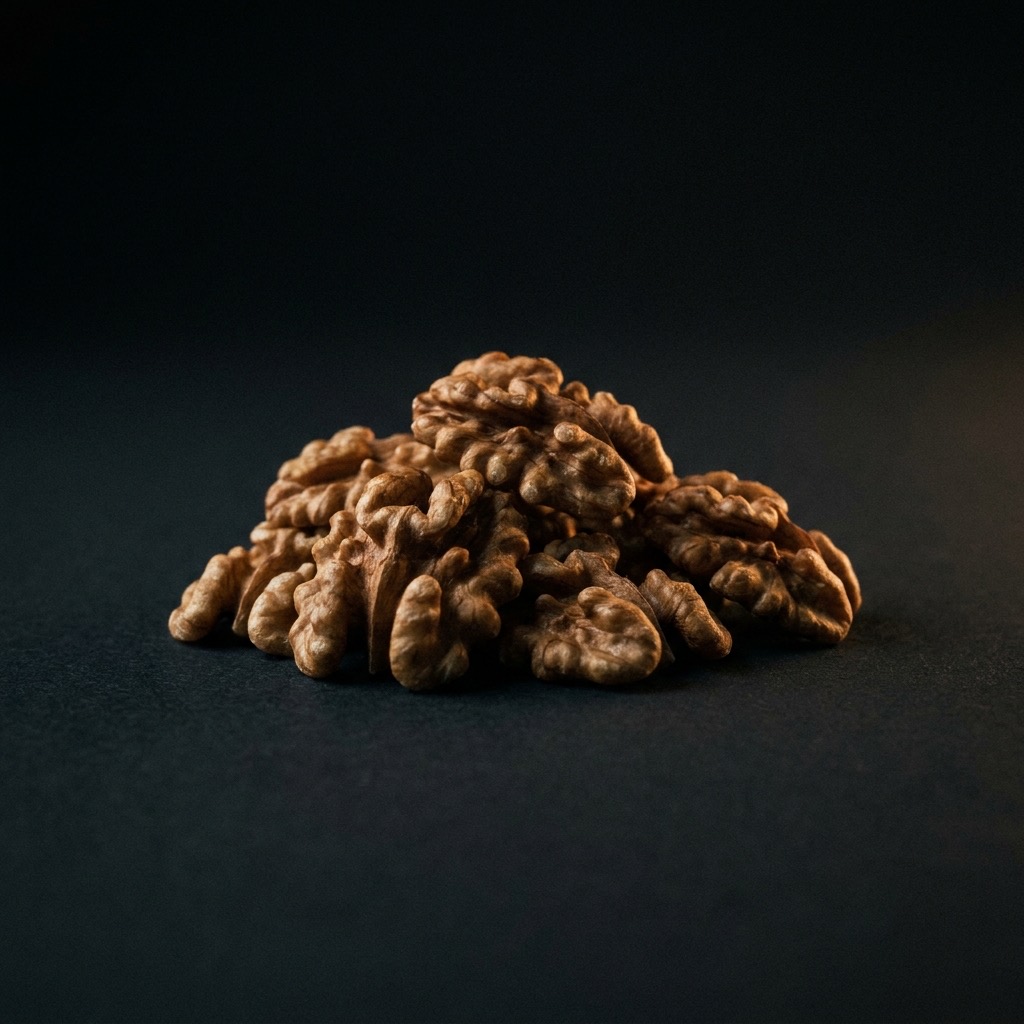
Nuts (walnuts, almonds)
No verdict yetMonounsaturated fat & fiberDaily nuts are recommended to lower cholesterol and inflammation. In PREDIMED, a Mediterranean diet supplemented with nuts (or olive oil) significantly reduced heart attacks and strokes, and the Portfolio Diet cut cholesterol like a statin.
Source: “A Masterclass On Reversing Your Age & Preventing Chronic Disease”, on The Dr. Hyman Show, at 55:40 -

Berries
No verdict yetAnthocyanin polyphenolsAndrew Huberman recommends 60-120g of fresh dark berries a day for anthocyanins that reduce DNA damage, and berries come up with nuts for antioxidants and heart health. The link is anti-inflammatory and antioxidant, softer than the fish and nuts evidence.
Source: “Nutrients For Brain Health & Performance (Huberman Lab Ep. 42)”, on Huberman Lab, at 36:37
Precis is not affiliated with or endorsed by YouTube or by any researcher, show or publisher we quote. We take no sponsorship, ad or affiliate money, and every verdict is our own review of what was said. How we stay independent
Common Mistakes
- Tracking only LDL-C. ApoB, the count of atherogenic particles, is the better heart-risk marker. (See "What is a good ApoB level?")
- Swapping olive oil for seed oils and assuming all fats are equal. The PREDIMED arms that cut events used extra virgin olive oil and nuts specifically.
- Treating fish-oil capsules and fatty fish as interchangeable without checking EPA/DHA dose. The cardiovascular trials used gram-level EPA, not a token amount.
Related Questions
Know the foods. Now get the protocol.
This page shows the foods researchers point to for heart health, with the source behind each one. A free account opens the supplement protocols that go with them: dose, timing and form. Pro adds chat with cited answers.
Cancel anytime