Foods · Expert Consensus (2026)
Best Foods for Muscle Building
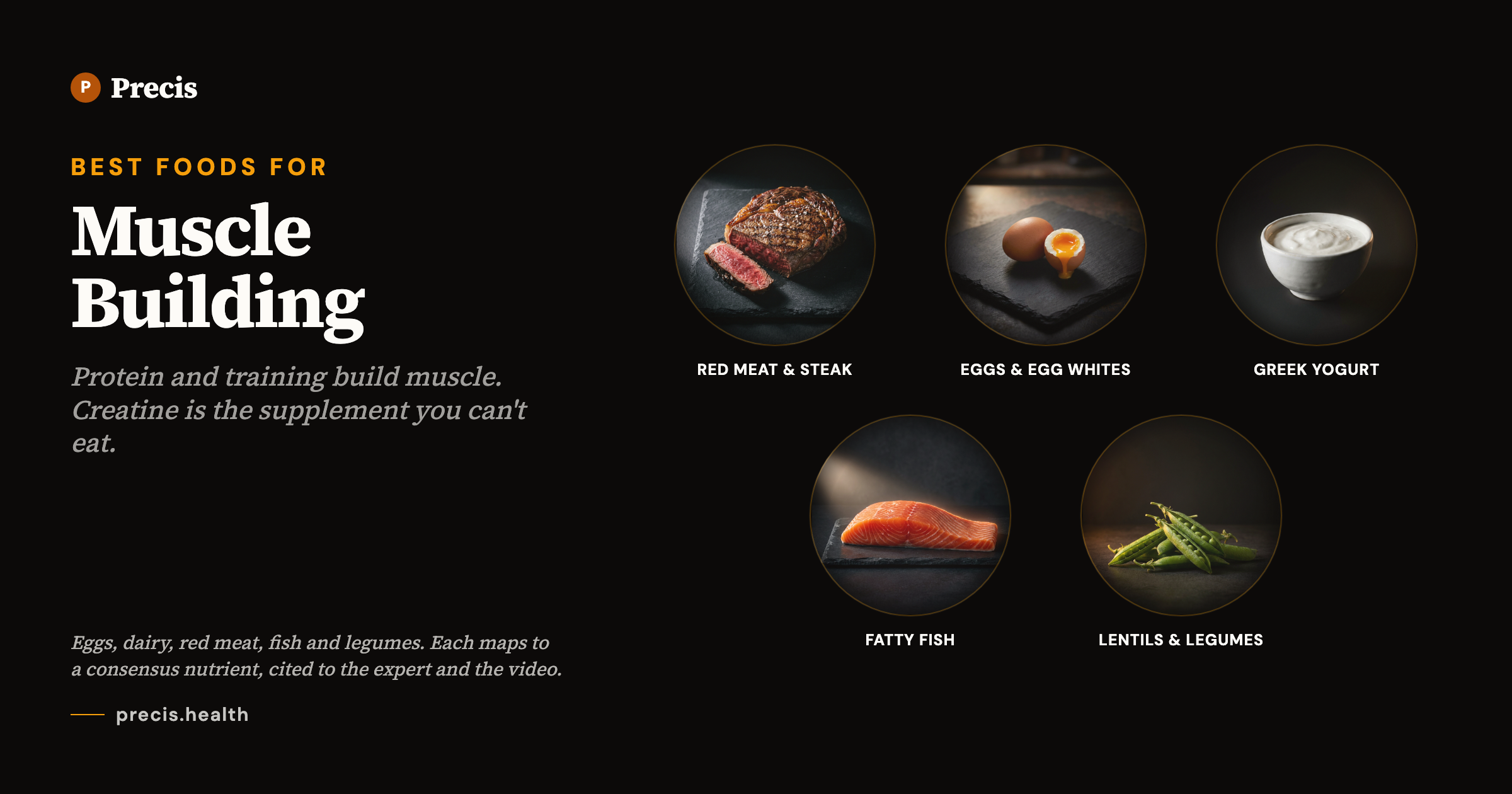
Building muscle is mostly two things - enough high-quality protein and resistance training. The foods below are the complete-protein sources the experts point to, ranked by consensus. Creatine, the one supplement with stronger muscle data than any food, is included honestly as the thing you can't realistically eat.
The short answer
The best muscle-building foods are complete proteins - eggs, Greek yogurt, lean red meat, fish, and poultry - eaten at roughly 1.2 to 1.6 g/kg of body weight with resistance training. They deliver the leucine that triggers muscle protein synthesis. Plant proteins (lentils) count but are leucine-limited, so you need more volume.
Top Foods for Muscle Building
Each score is the consensus of the nutrient the food delivers - a lower score usually means fewer of the 5 experts have covered it, not that they disagree. Foods without a dedicated report are marked Expert-cited.
Eggs & Egg Whites
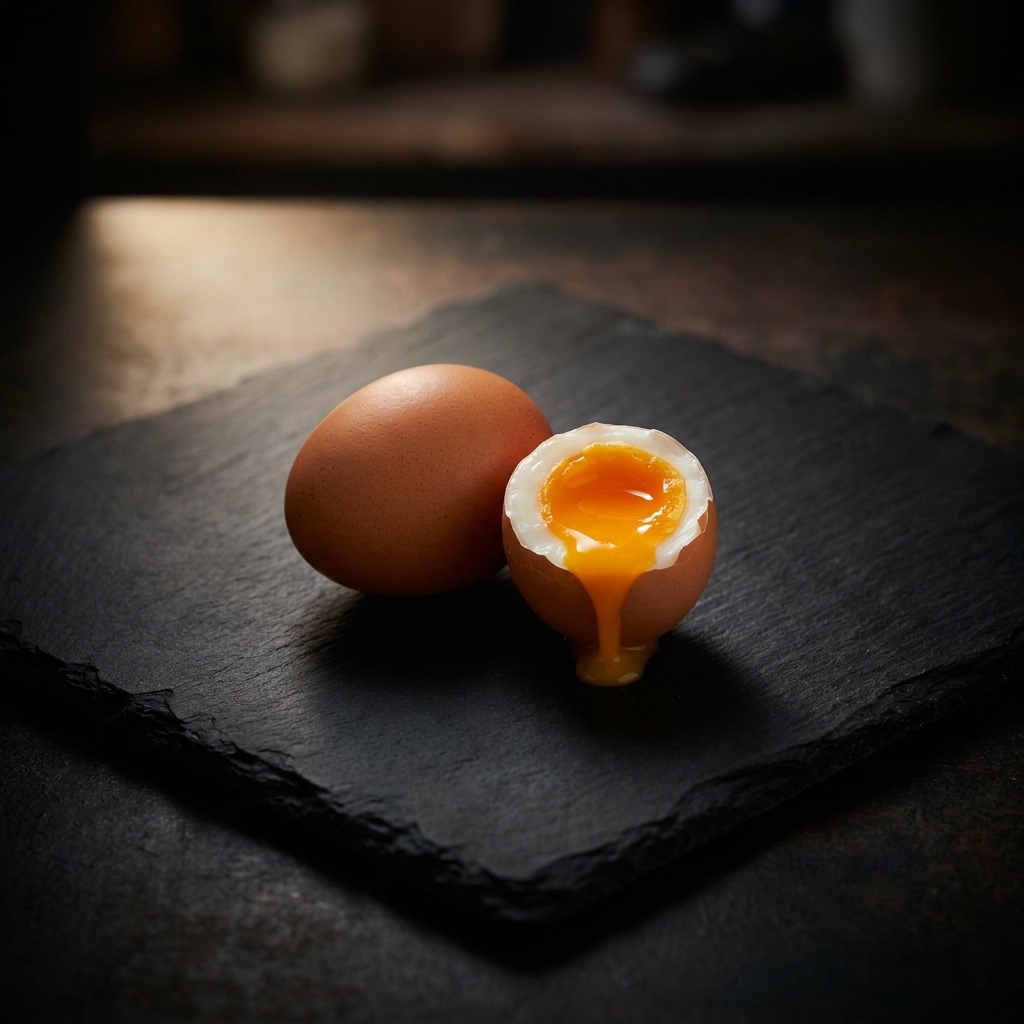
Eggs are a complete, leucine-dense protein. Stuart Phillips (on Patrick) names eggs as a high-quality first-meal protein that helps older adults, especially women, mitigate age-related muscle loss when they fix a protein-light breakfast.
Greek Yogurt & Dairy
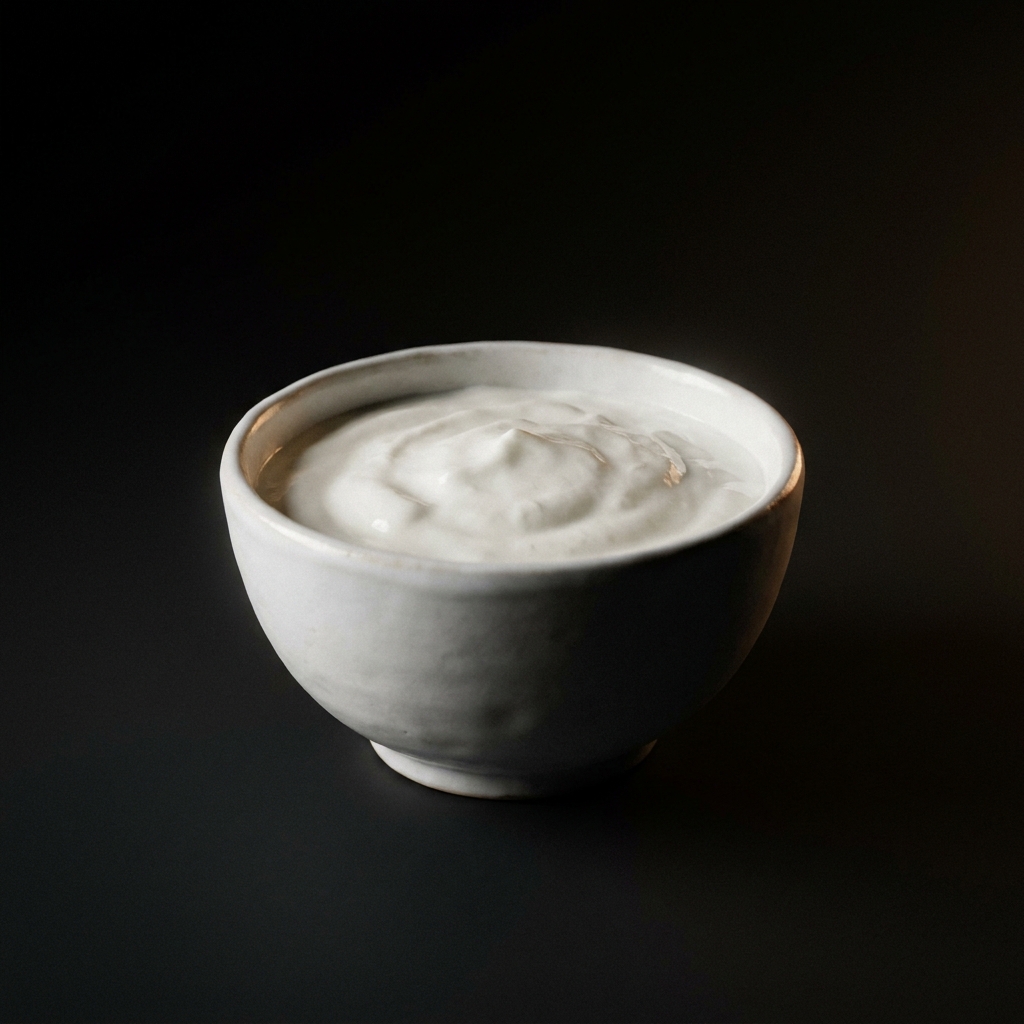
Dairy is leucine-rich, and Phillips describes leucine as the dimmer switch for muscle protein synthesis that needs more amplitude with age. Greek yogurt is an easy way to push protein toward the per-meal threshold most people miss at breakfast.
Red Meat & Steak
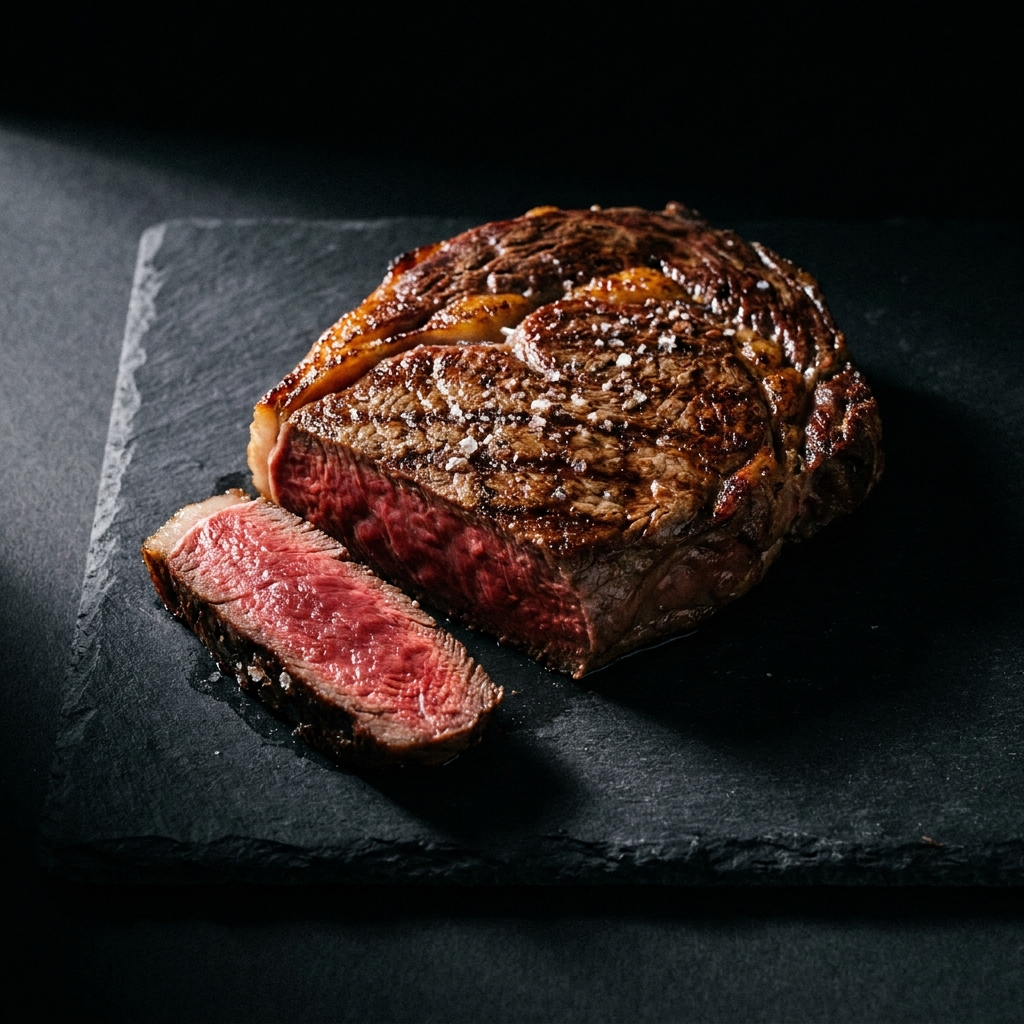
Don Layman (on Attia) frames ruminant meat as an upcycler - gut bacteria rebalance the amino acids into a complete, highly bioavailable profile, plus creatine and B12. Honest note - red meat is the dietary creatine source, but you can't eat enough to reach the ~5g dose creatine research uses.
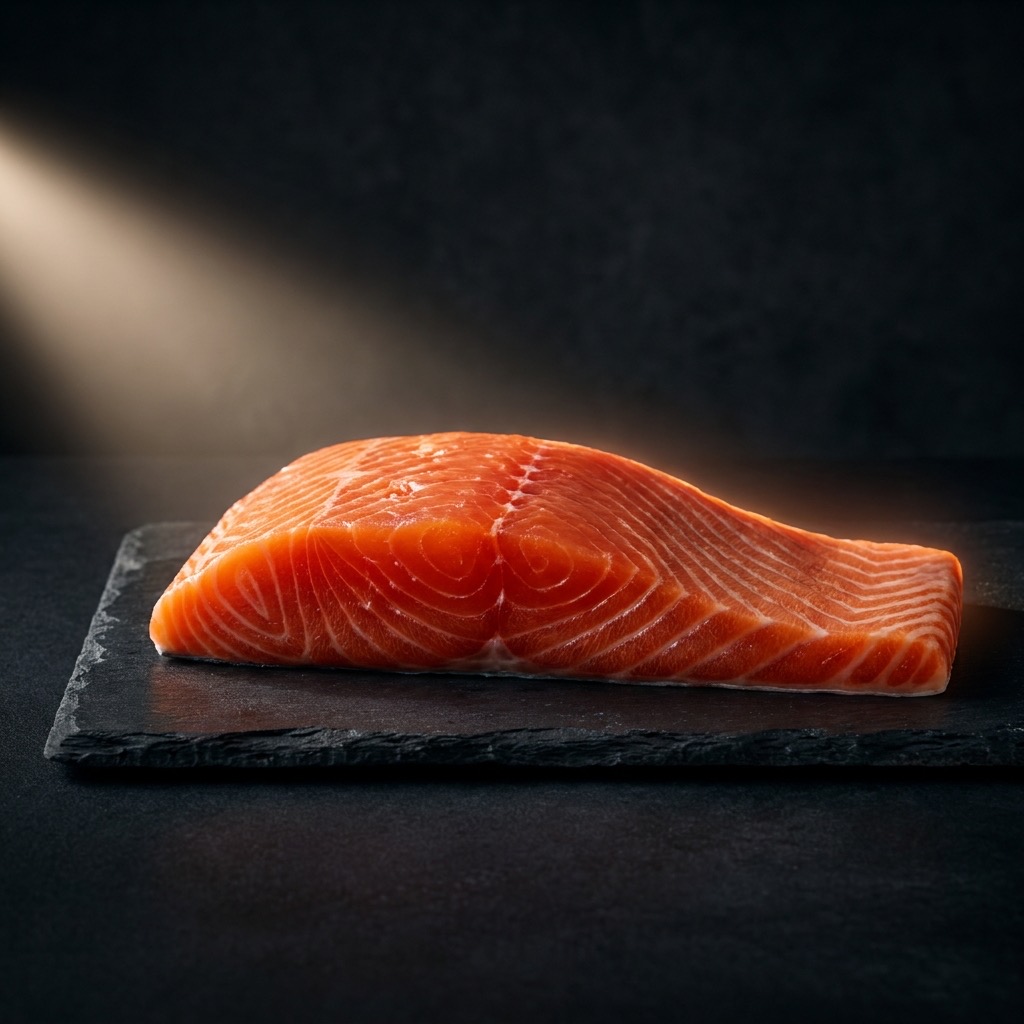
Fatty Fish (salmon, sardines)
Chris McGlory (on Patrick) presents work where omega-3s sensitized muscle to amino acids and protected against muscle loss during limb immobilization. Honest note - the studied doses are ~5g/day, higher than diet alone, so fish supports the effect that supplements drive.
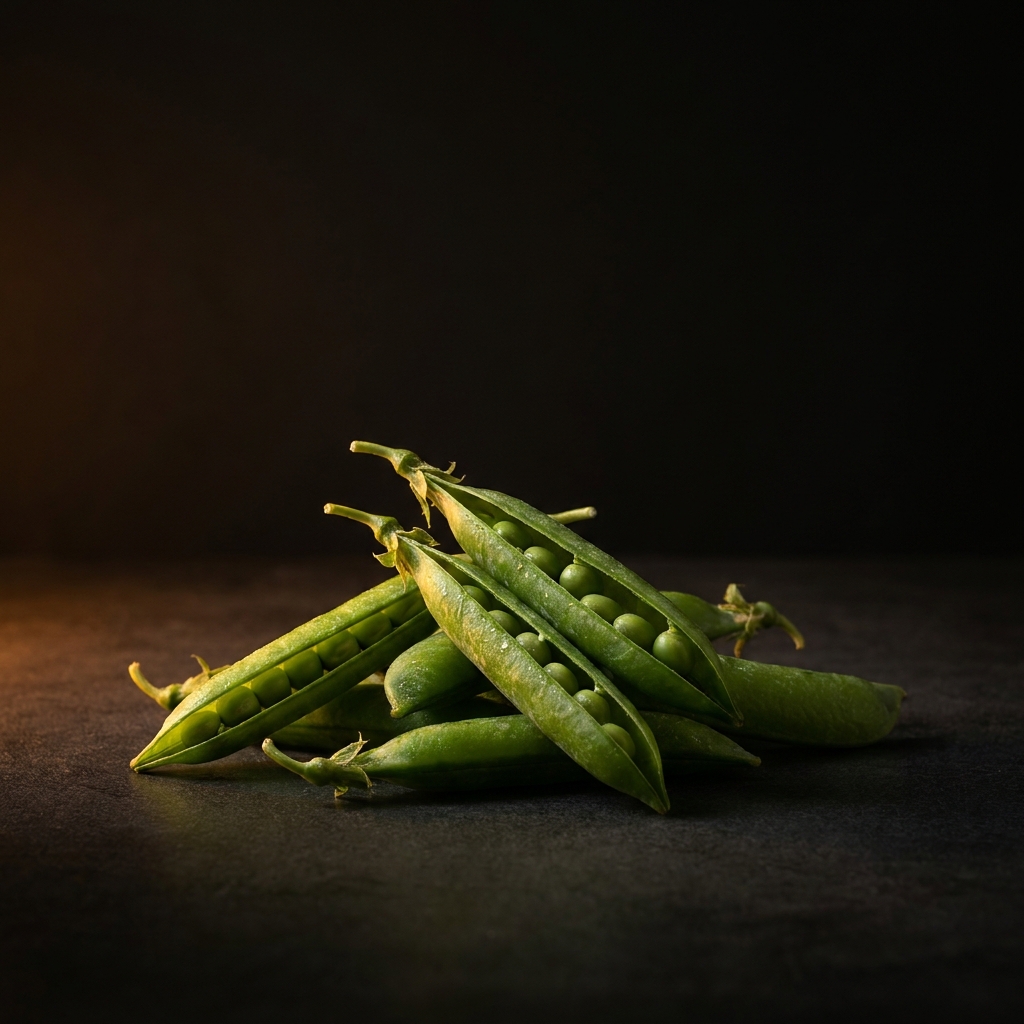
Lentils & Legumes
Legumes count toward protein but are leucine-limited. Layman is blunt that relying on lentils and rice alone tends to fall short for muscle, so plant eaters need larger portions or paired sources to clear the per-meal leucine threshold that triggers muscle protein synthesis.
Common Mistakes
Trying to get creatine from food. The experts treat creatine as a ~5g/day supplement; red meat is the food source, but you cannot eat enough to reach the studied dose.
Relying on plant protein without hitting the leucine threshold. Lentils and rice are leucine-limited - eat more volume or pair sources to actually trigger muscle protein synthesis.
Under-eating protein, especially at breakfast. The 0.8 g/kg RDA is a floor; the experts target 1.2 to 1.6 g/kg, front-loaded with 30g or more at the first meal.
Eating protein without lifting. Phillips is emphatic that resistance training is the primary driver - protein is a thin layer of benefit on top of the training stimulus, not a substitute for it.
Related Questions
Know the foods. Now get the protocol.
This page shows the foods researchers point to for muscle building, with the source behind each one. Pro unlocks the supplement protocols that go with them - exact dosages, timing, forms - and lets you chat the full expert dataset with cited answers.
Cancel anytime