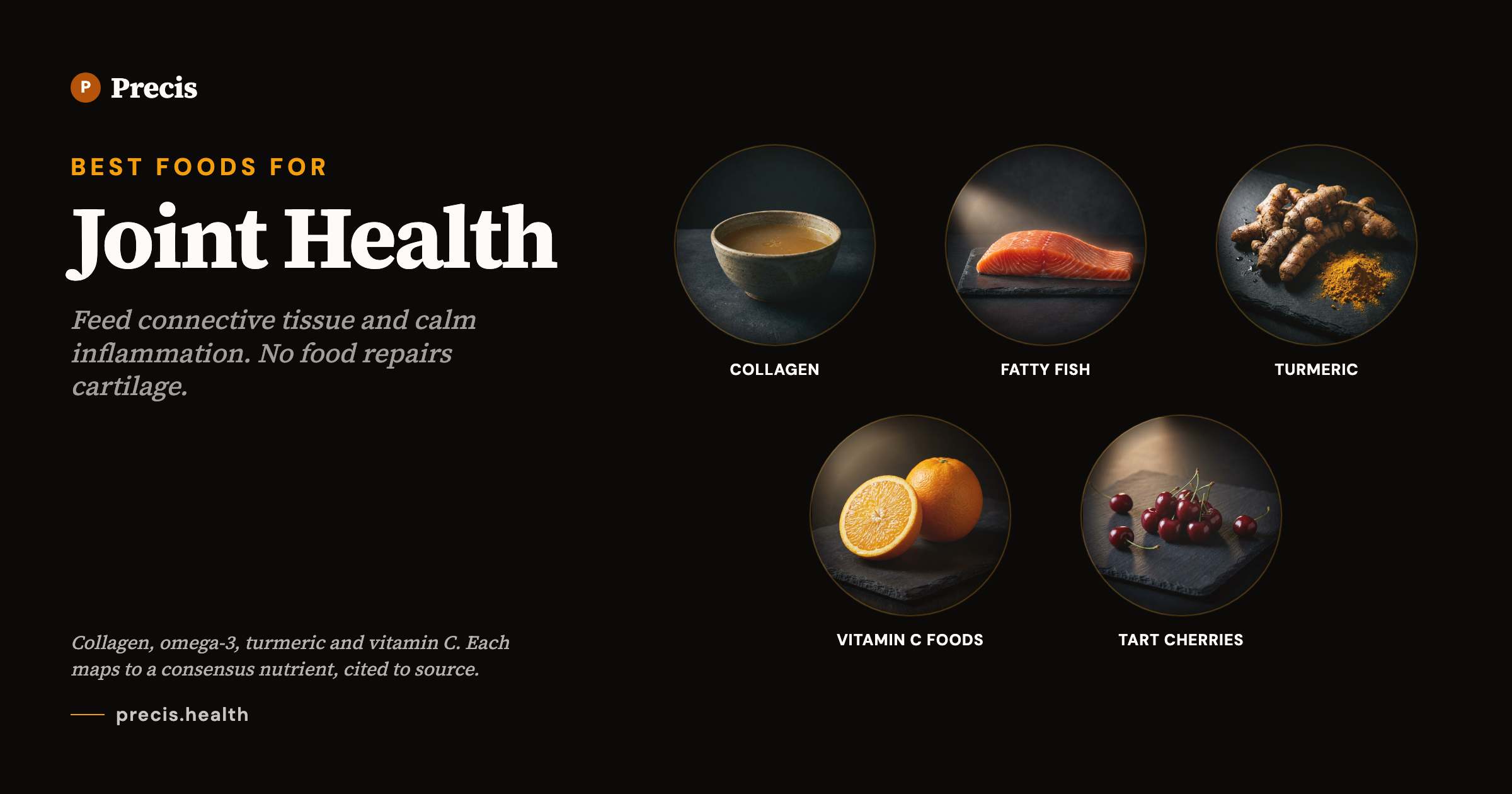
Foods · Expert Consensus (2026)
Best Foods for Joint Health
The honest version - the experts have more to say about connective tissue (collagen plus vitamin C) and calming inflammation (omega-3, turmeric) than about regrowing cartilage, which no food does. These are the anti-inflammatory and tendon-supporting foods they actually name, with the caveats kept in.
The short answer
The best-grounded joint foods are collagen (bone broth) taken with vitamin-C foods, which together support tendons and ligaments, plus fatty fish for omega-3 and turmeric for curcumin to calm inflammation. Food supports joints by reducing inflammation and feeding connective tissue - it doesn't replace load management or repair cartilage.
Top Foods for Joint Health
Each score is the consensus of the nutrient the food delivers - a lower score usually means fewer of the 5 experts have covered it, not that they disagree. Foods without a dedicated report are marked Expert-cited.
Collagen / Bone Broth
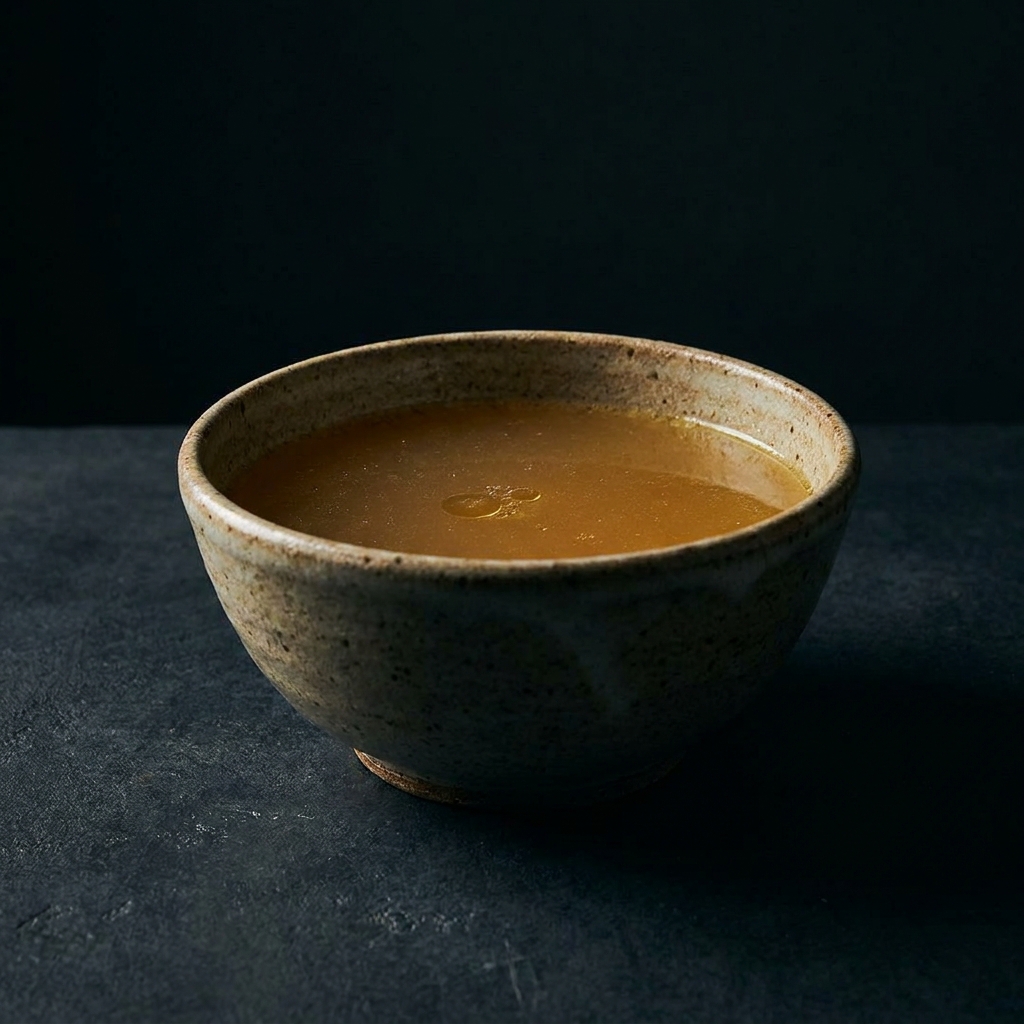
This is the strongest joint-specific anchor in the corpus. In a chapter on tendon and joint health, Andy Galpin (on Patrick) says hydrolyzed collagen taken 30 to 60 minutes before exercise with vitamin C may support tendons and ligaments. Honest caveat - Attia is skeptical of collagen as a protein, and the evidence is promise, not proven cartilage repair.
Fatty Fish (salmon, sardines)
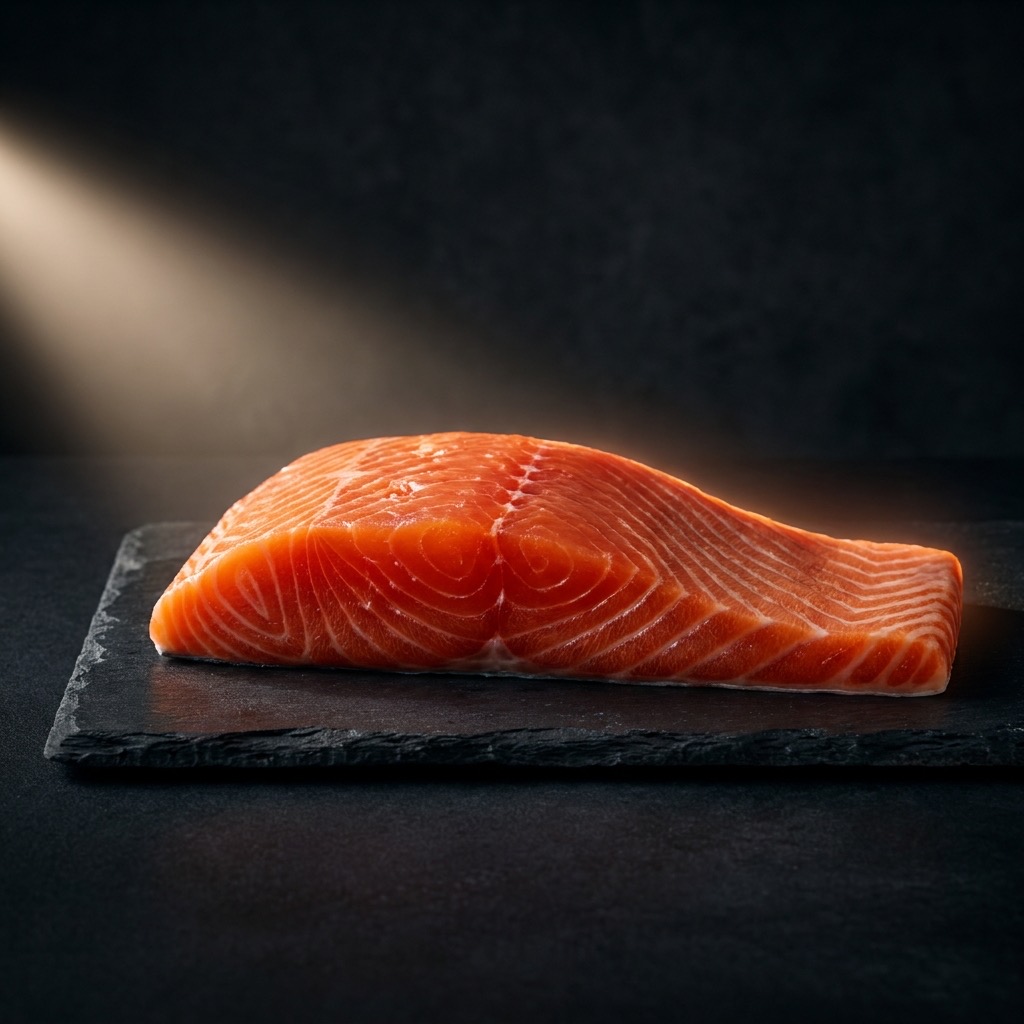
The most directly joint-grounded omega-3 claim in the corpus - Hyman's guest Dr. Calabrese says Mediterranean-style diets and omega-3s from fish significantly lower disease activity in rheumatoid arthritis, and Hyman pairs omega-3 with curcumin for osteoarthritis.
Turmeric & Black Pepper
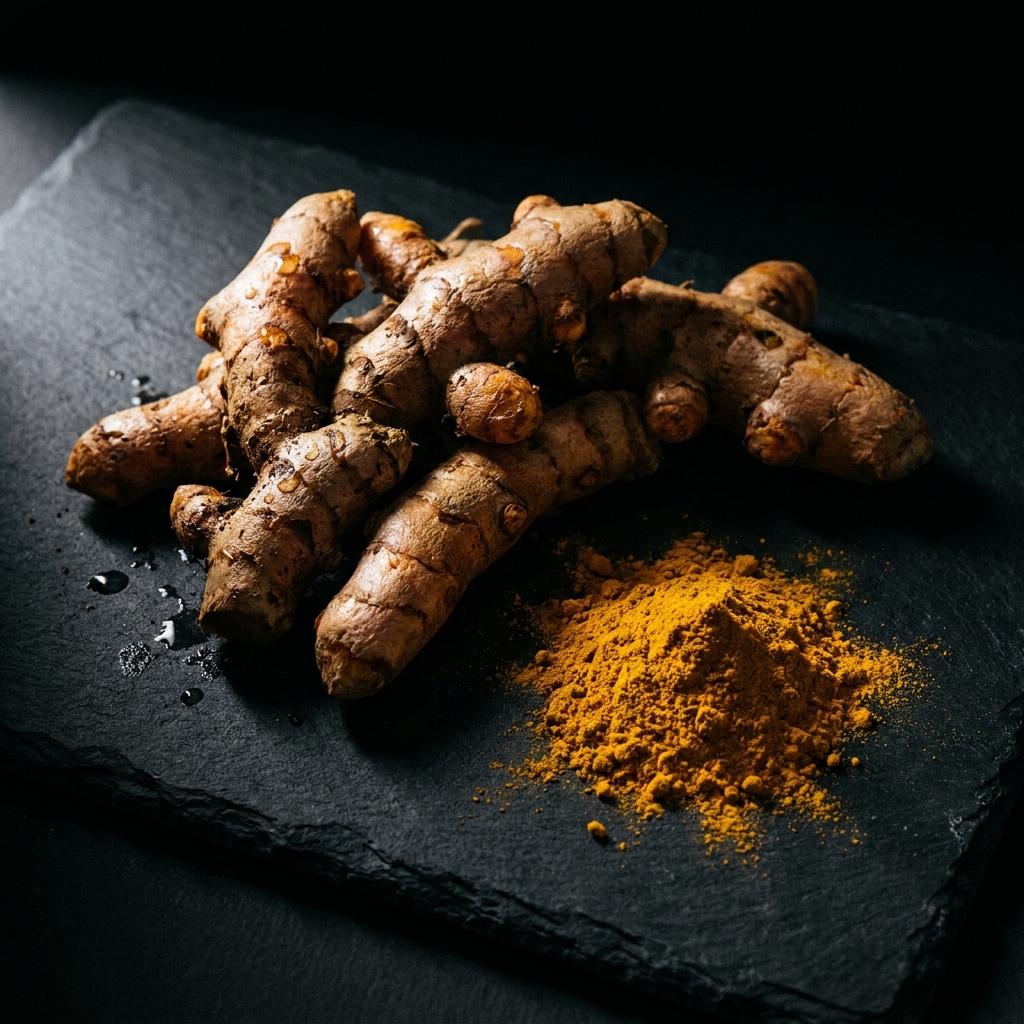
Hyman names curcumin alongside omega-3 as a targeted anti-inflammatory for osteoarthritis. Honest caveats - pair turmeric with black pepper for absorption, culinary doses are far below the concentrated extract used in studies, and Huberman warns against chronically blunting all inflammation.
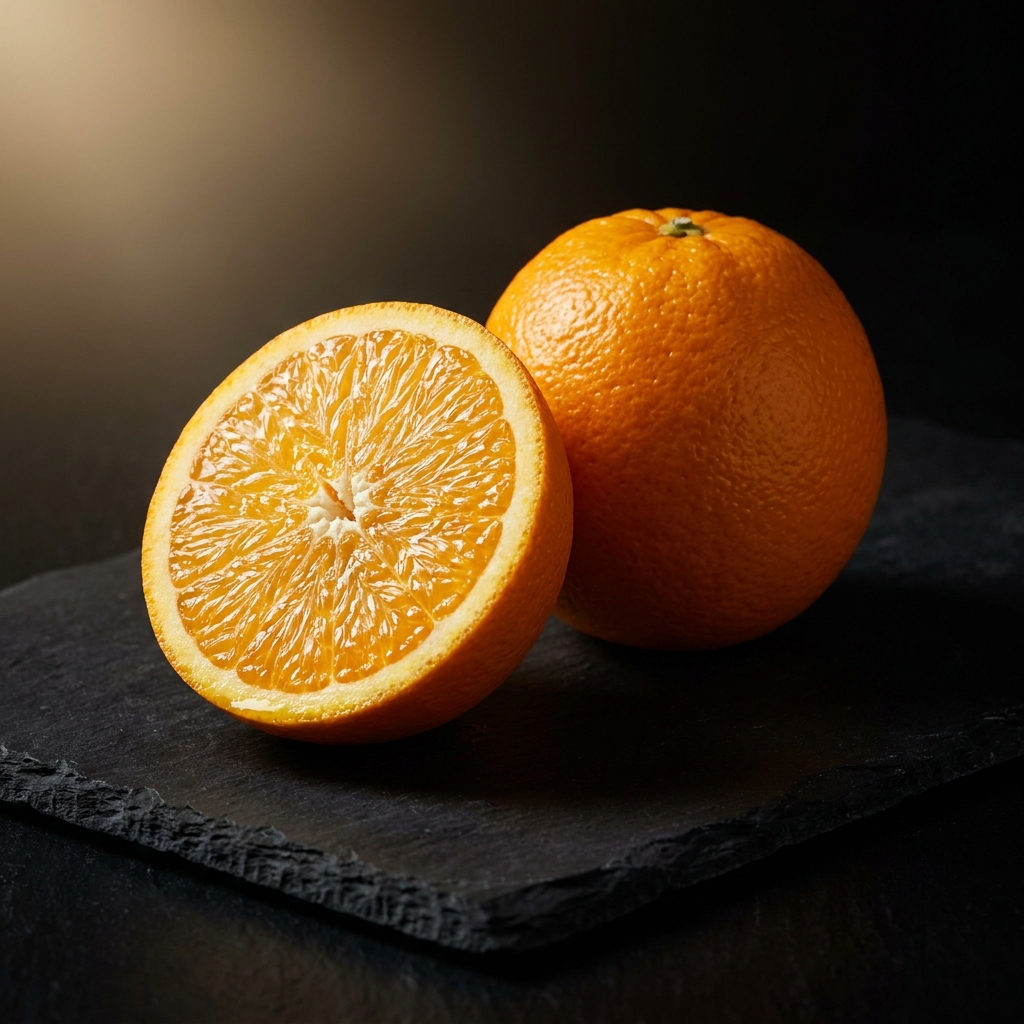
Citrus & Bell Peppers
Vitamin C is the cofactor that makes collagen synthesis work, which is why Galpin pairs about 50mg of vitamin C with collagen before exercise for tendon and ligament health. It belongs here as the pairing nutrient, not a standalone joint food.
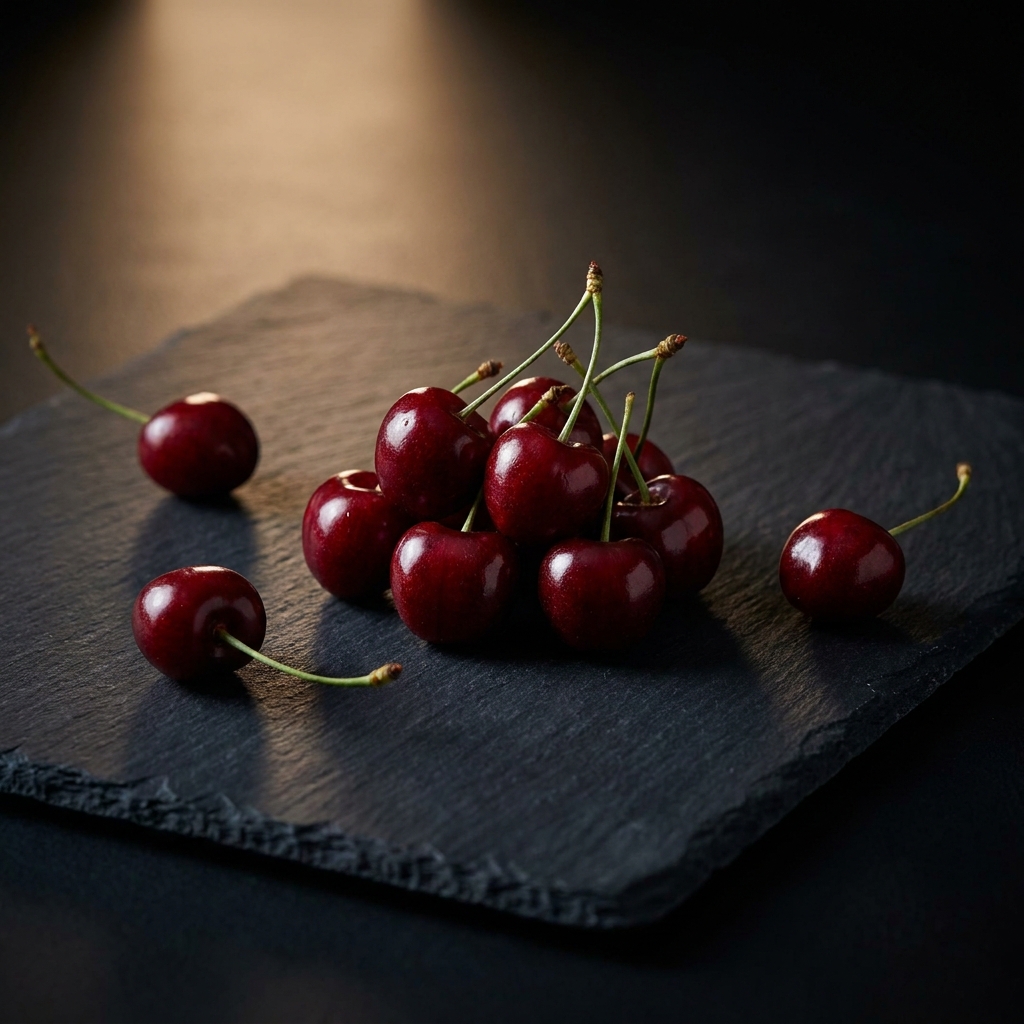
Tart Cherries
Honest inclusion - both Galpin (on Patrick) and Huberman cover tart cherry for muscle soreness and recovery, not cartilage. Include it as a general anti-inflammatory and recovery food, with the explicit caveat that the evidence is for soreness, not joints specifically.
Common Mistakes
Taking collagen without vitamin C. Galpin specifies collagen with about 50mg of vitamin C - the cofactor that makes synthesis work. Plain collagen misses the protocol the experts describe.
Sprinkling turmeric without black pepper. Curcumin is poorly absorbed; pairing it with black pepper sharply increases uptake, and culinary turmeric is far below the extract doses used in research.
Chronic anti-inflammatory megadosing. Huberman cautions that blunting all inflammation (high-dose turmeric, vitamin C and E) can interfere with the beneficial adaptation from training. More is not better.
Treating food as a substitute for load management. The experts root joint and tendon health primarily in loading, recovery, and weight management - food supports the work, it does not replace it.
Related Questions
Know the foods. Now get the protocol.
This page shows the foods researchers point to for joint health, with the source behind each one. Pro unlocks the supplement protocols that go with them - exact dosages, timing, forms - and lets you chat the full expert dataset with cited answers.
Cancel anytime