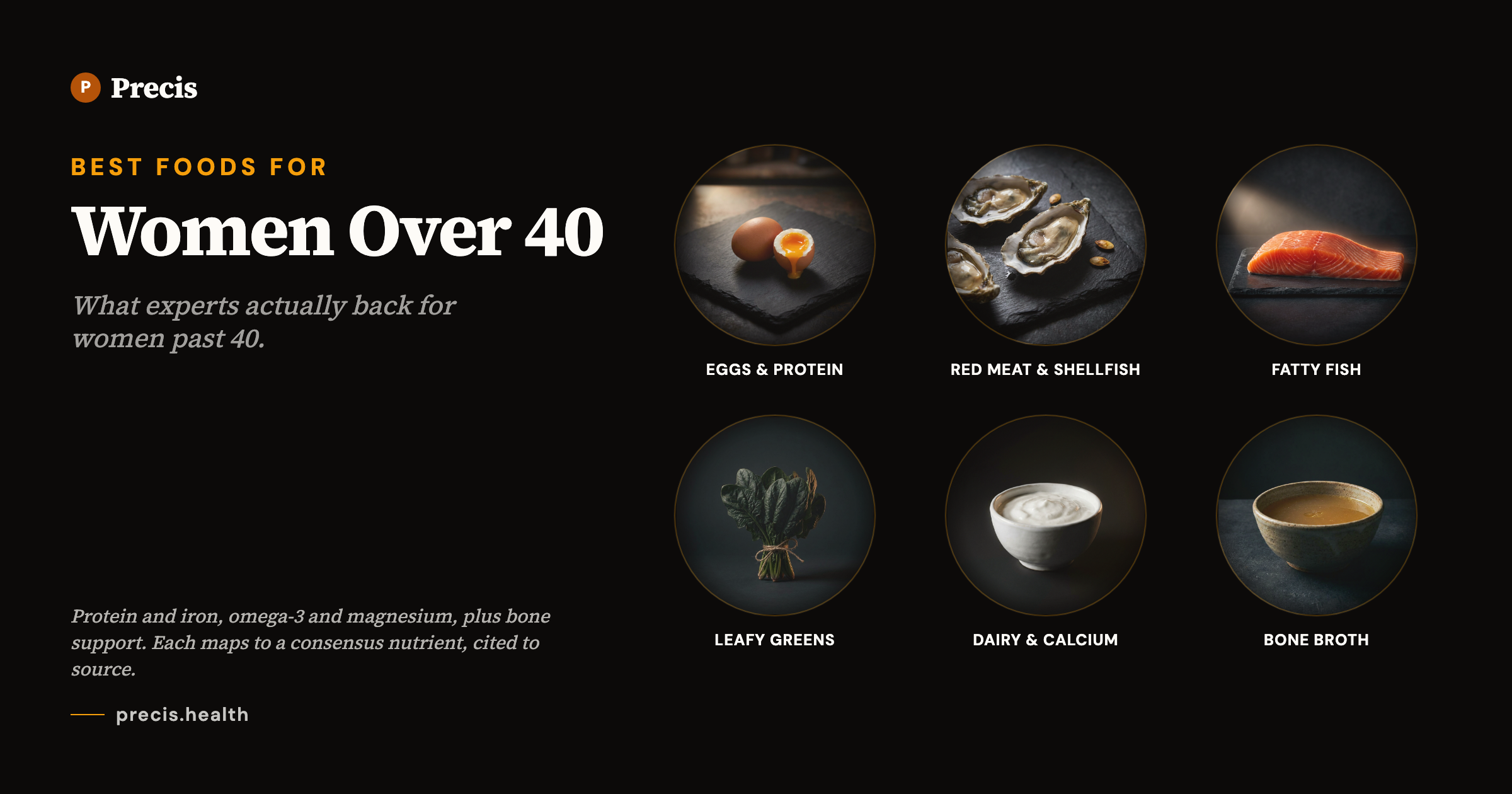
Foods · Expert Consensus (2026)
Best Foods for Women Over 40
Expert nutrition advice is often male-default. These are the foods with the strongest expert backing that specifically matter for women in their 40s and beyond - protein and iron to defend muscle and replace menstrual losses, plus omega-3, magnesium, and bone-supporting foods as estrogen begins to decline.
The short answer
The highest-consensus foods for women over 40 are lean protein (eggs, fish, poultry) for muscle, heme-iron foods (red meat, shellfish) since menstruating women lose iron, and fatty fish for omega-3. Magnesium-rich greens, calcium-and-vitamin-D foods for bone, and collagen round it out. Test ferritin before supplementing iron.
Top Foods for Women Over 40
Each score is the consensus of the nutrient the food delivers - a lower score usually means fewer of the 5 experts have covered it, not that they disagree. Foods without a dedicated report are marked Expert-cited.
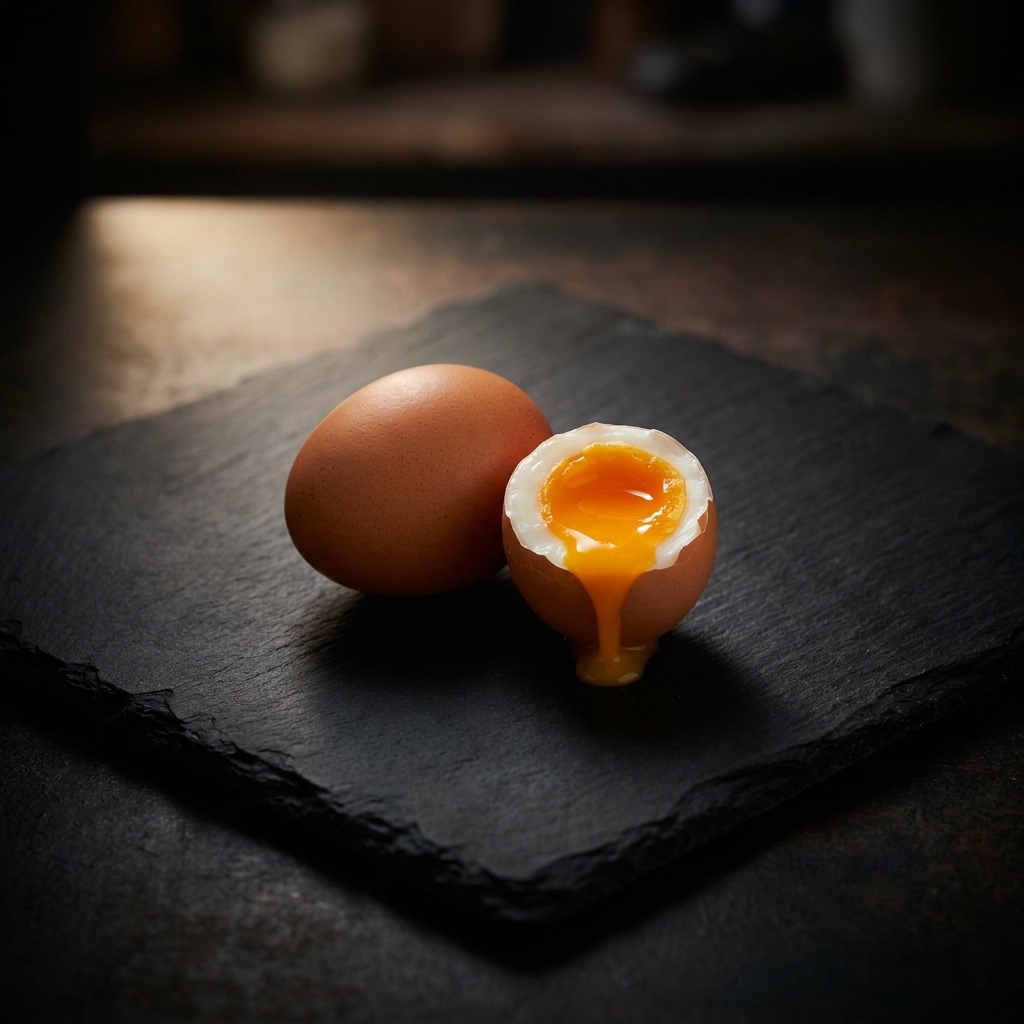
Eggs & Lean Protein
Protein is the top food lever for women past 40. Stacy Sims tells Huberman women should target roughly 1.1 to 1.2 grams of quality protein per pound of body weight, and Hyman flags that women chronically under-eat it - the leading driver of midlife muscle loss.
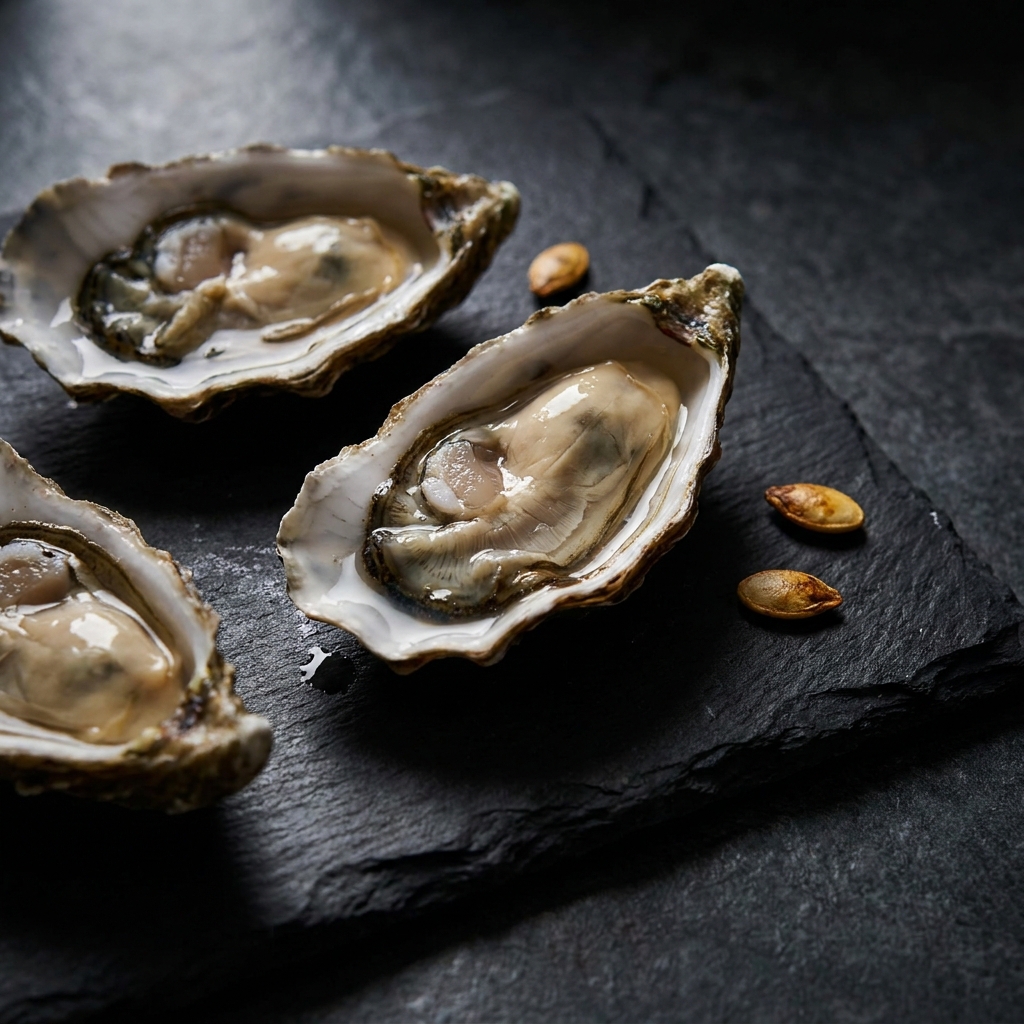
Red Meat, Shellfish & Liver
The defining women-over-40 nutrient. Sims explains menstruating women lose iron and should time intake around their cycle, and only about 10 percent of dietary iron is absorbed, so heme sources (red meat, shellfish) plus legumes matter. Test ferritin first.
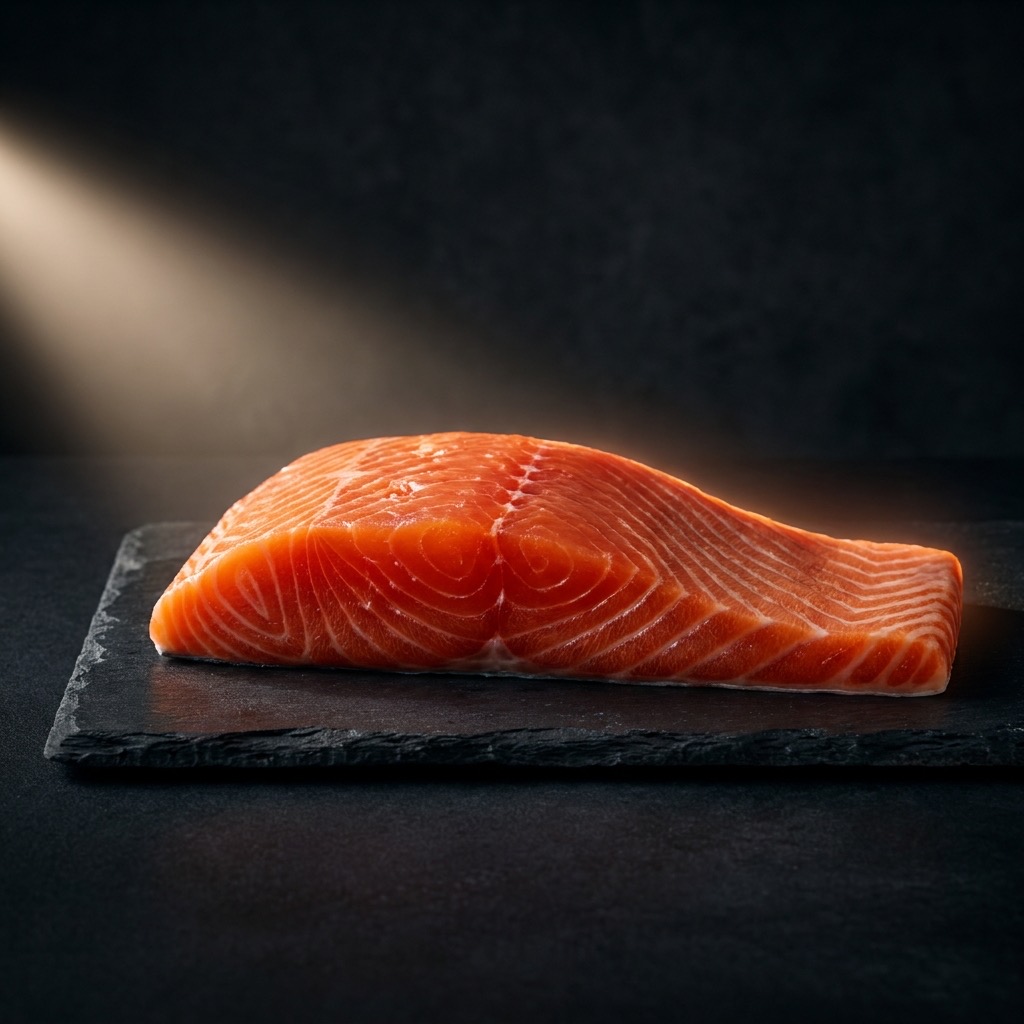
Fatty Fish (salmon, sardines)
The panel's highest-consensus nutrient. Attia names omega-3 first among women's daily supplement staples for performance, and it supports heart, brain, and mood. Mostly general omega-3 coverage applied to the over-40 context - the consensus on the nutrient is unusually strong.
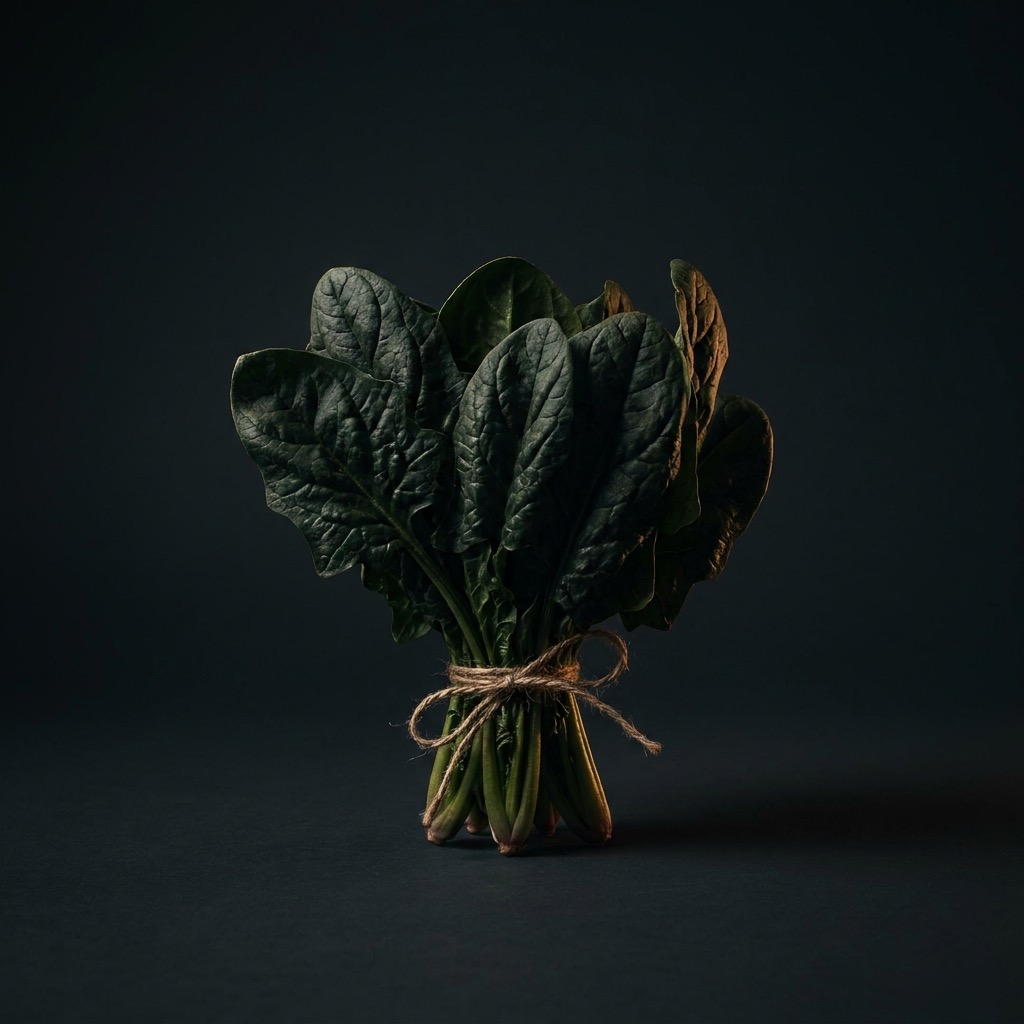
Leafy Greens, Pumpkin Seeds & Nuts
Patrick names leafy greens, nuts, seeds, and legumes as the top magnesium foods, notes around 45 percent of people fall short, and ties higher magnesium intake to lower dementia risk, particularly in women. Attia includes magnesium among women's staples.
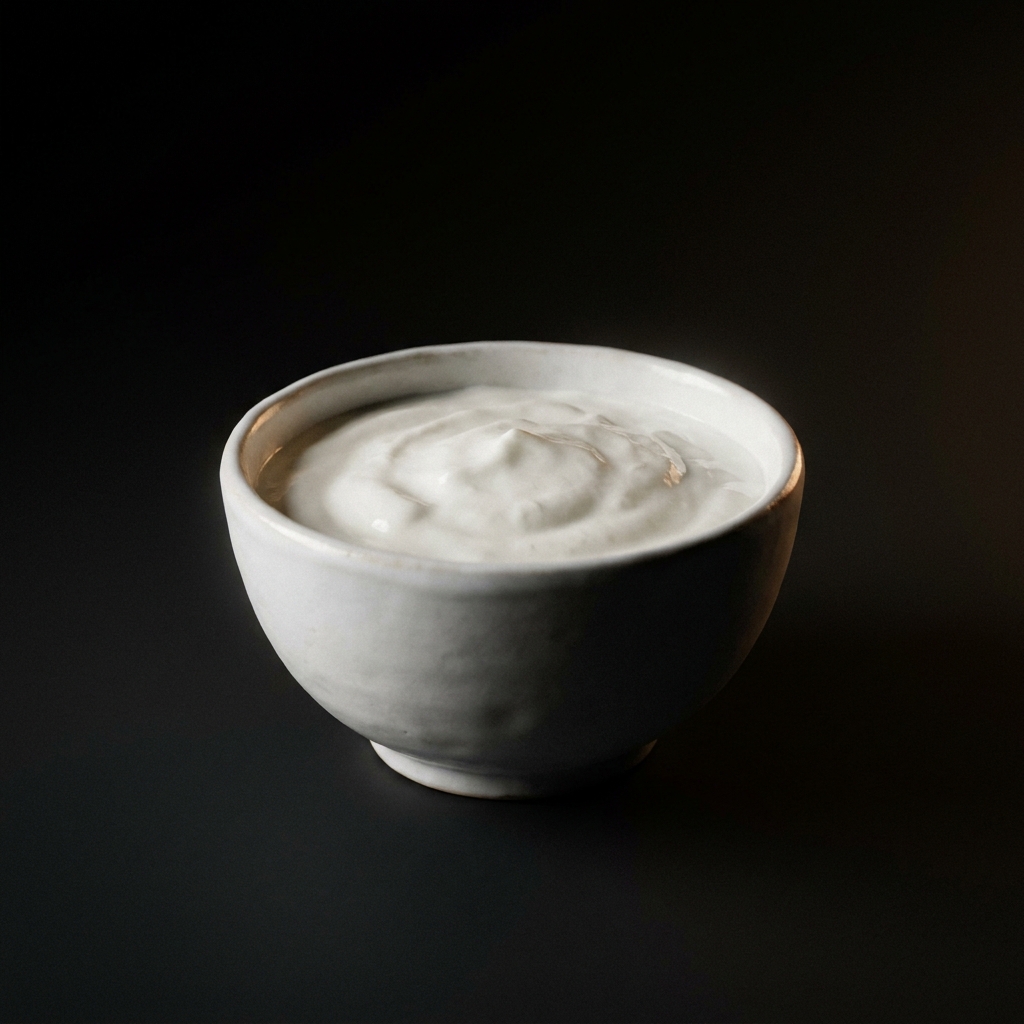
Dairy & Calcium-Rich Foods
Bone loss starts in the 40s and accelerates at menopause. Attia's big three for bone are calcium, vitamin D, and magnesium, and he names dairy as the most bioavailable calcium; Hyman favors getting calcium from food plus D3 over high-dose calcium pills.
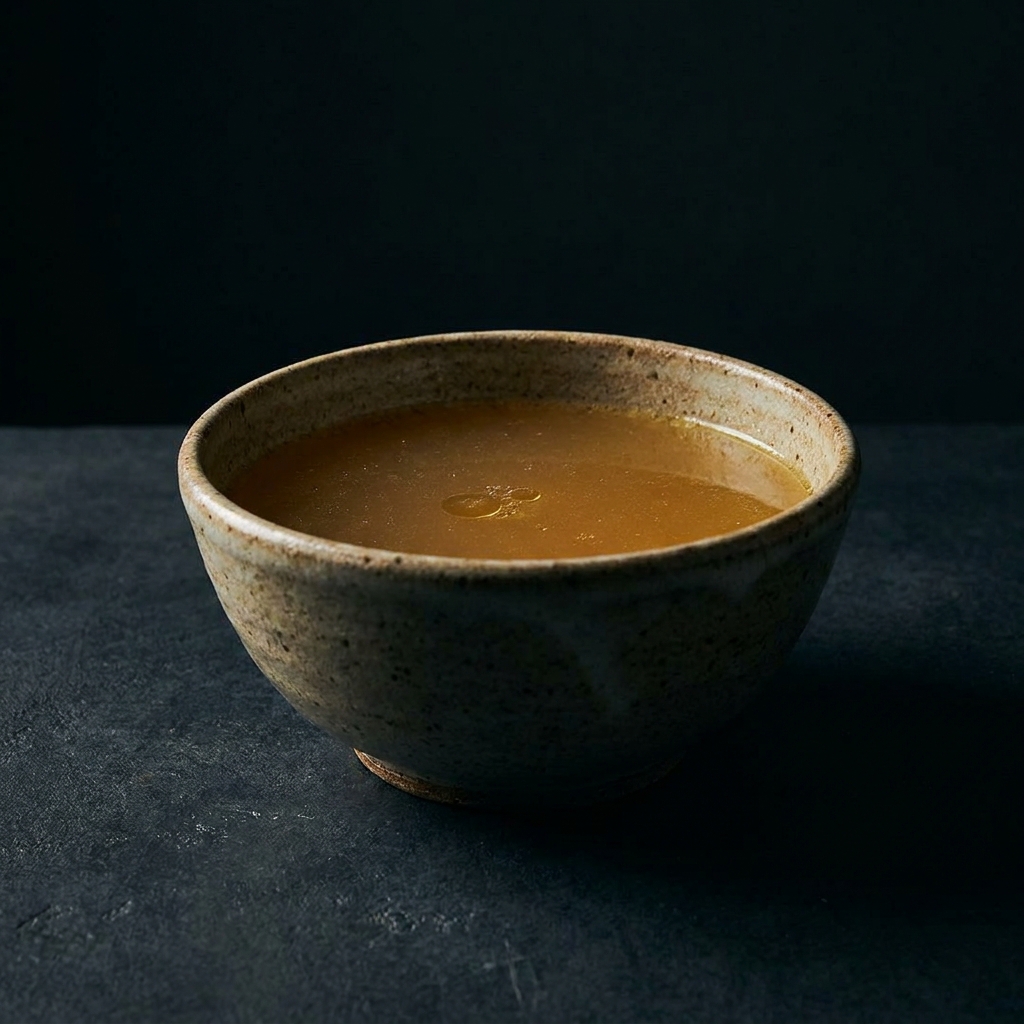
Bone Broth / Collagen
Collagen synthesis declines through the 40s as estrogen falls - Haver notes women lose about 30 percent of their collagen in the first five menopausal years, hitting skin and joints. Honest caveat carried over - collagen is not a complete protein, so it supplements rather than replaces dietary protein.
Common Mistakes
Supplementing iron without testing ferritin. Attia's whole iron stance is test first - overload is as dangerous as deficiency, so confirm a low ferritin before taking iron.
Under-eating protein after 40. Sims targets roughly 1.1 to 1.2 g/lb and Hyman flags chronic under-eating in women - the leading driver of midlife muscle and bone loss.
Relying on plant ALA (flax, chia, walnuts) for omega-3. ALA converts to EPA/DHA at only about 5 to 10 percent, so fatty fish (or fish/algae oil) is far more reliable.
Treating food as a substitute for the HRT conversation. Diet complements - it does not replace - a clinical hormone-therapy decision through perimenopause and beyond.
The medical side
HRT & Menopause: what the experts actually agree on
Food and training are the foundation, but hormone therapy is the medical conversation that sits behind women's health after 40. See the cited, timestamped expert consensus.
Related Questions
Know the foods. Now get the protocol.
This page shows the foods researchers point to for women over 40, with the source behind each one. Pro unlocks the supplement protocols that go with them - exact dosages, timing, forms - and lets you chat the full expert dataset with cited answers.
Cancel anytime