Foods · Expert Consensus (2026)
Best Foods for Brain Health
The brain is roughly 30% DHA and runs on acetylcholine - so the foods with the strongest cognitive backing are the ones that deliver those raw materials. Here's what the experts recommend, mapped to the nutrient and the source.
The short answer
The strongest expert-backed brain food is fatty fish and salmon roe - its phospholipid DHA crosses into the brain via the MFSD2A transporter (Patrick, Attia). Egg yolks supply choline for acetylcholine (Huberman). Blueberries, extra virgin olive oil, and high-flavanol dark chocolate add supporting, lower-consensus benefits.
Top Foods for Brain Health
Each score is the consensus of the nutrient the food delivers - a lower score usually means fewer of the 5 experts have covered it, not that they disagree. Foods without a dedicated report are marked Expert-cited.
Fatty Fish & Salmon Roe
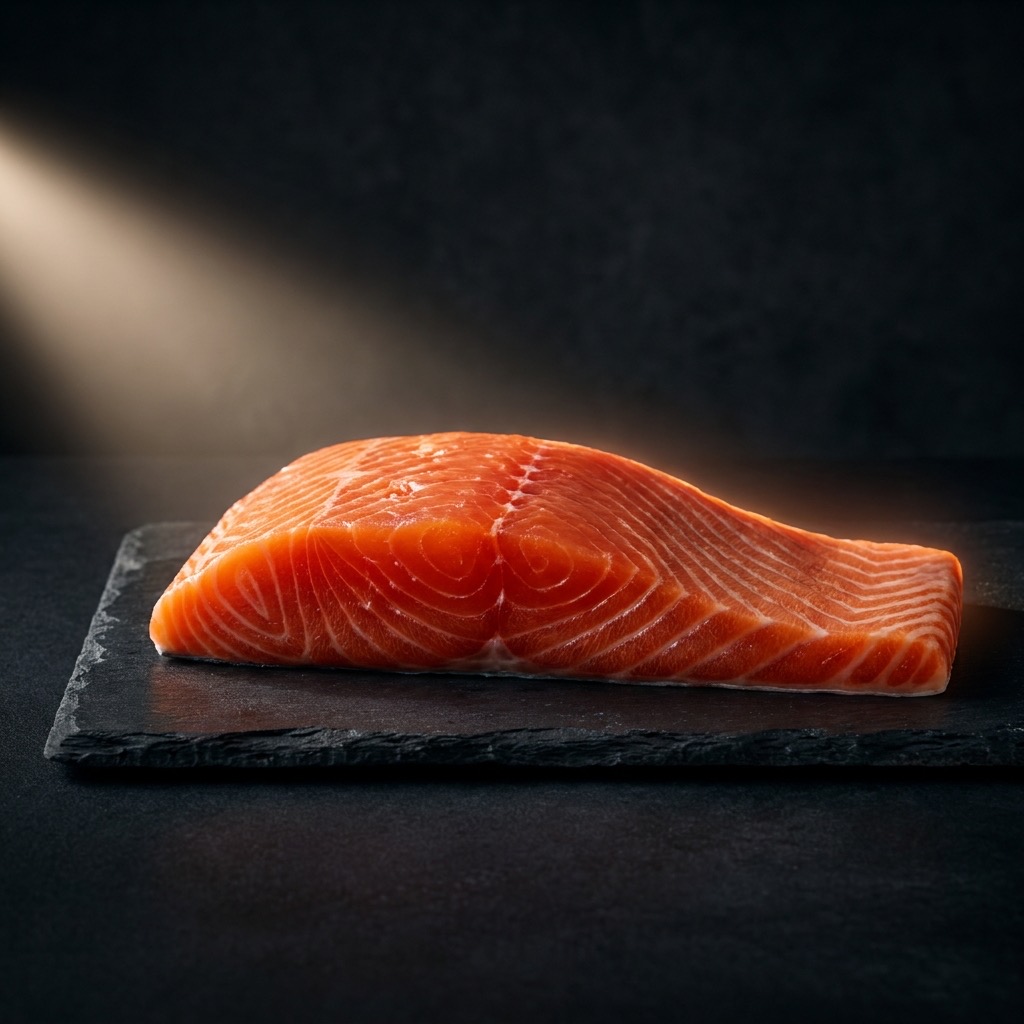
The brain takes up DHA in phospholipid form via the MFSD2A transporter. Salmon roe carries 40-70% of its omega-3 in that brain-preferred form versus 1-3% in standard fish; Attia ties the same pathway to blood-brain-barrier integrity and Alzheimer's risk, especially in APOE4 carriers.
Eggs (Yolks)
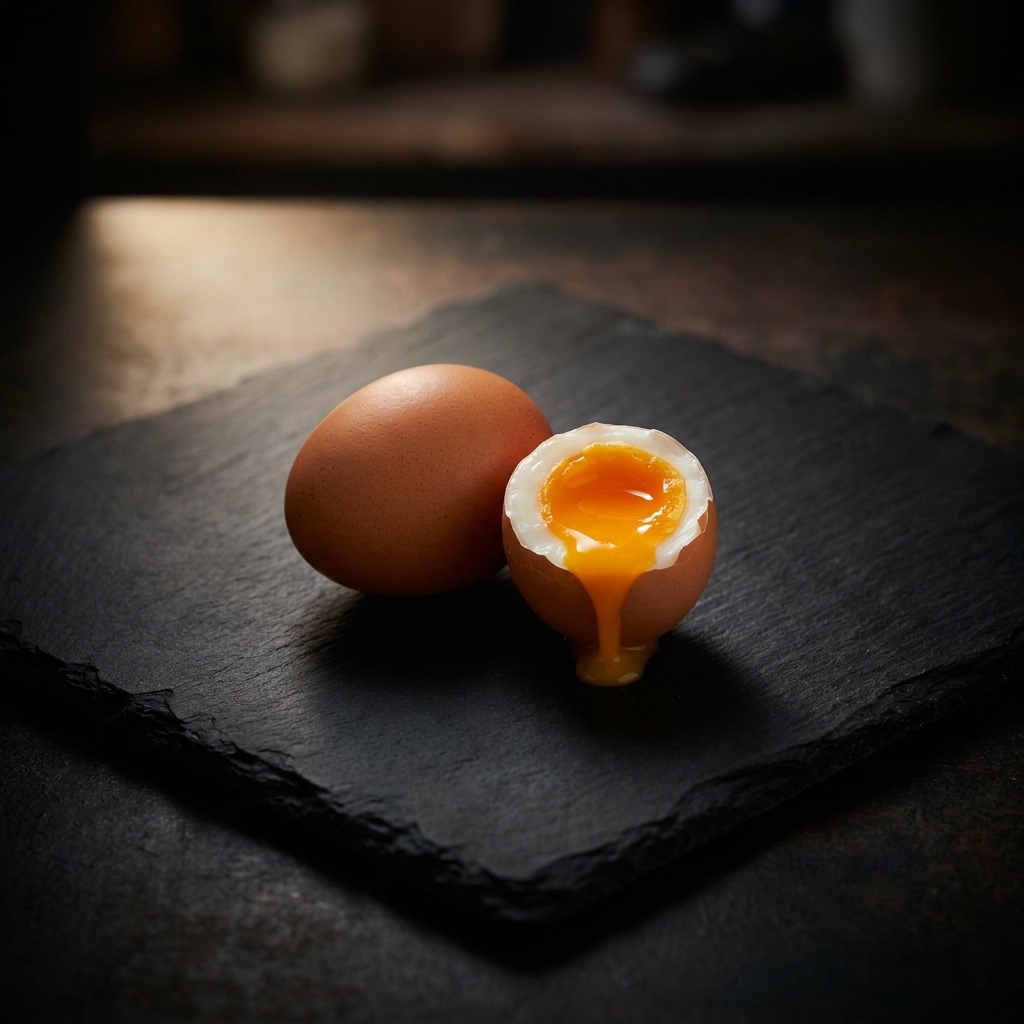
Choline is the precursor to acetylcholine, the neurotransmitter behind focus and alertness. Huberman recommends 500mg-1g of choline a day and names egg yolks as a primary source. No standalone "choline" consensus report yet - an expert-cited food.
Extra Virgin Olive Oil
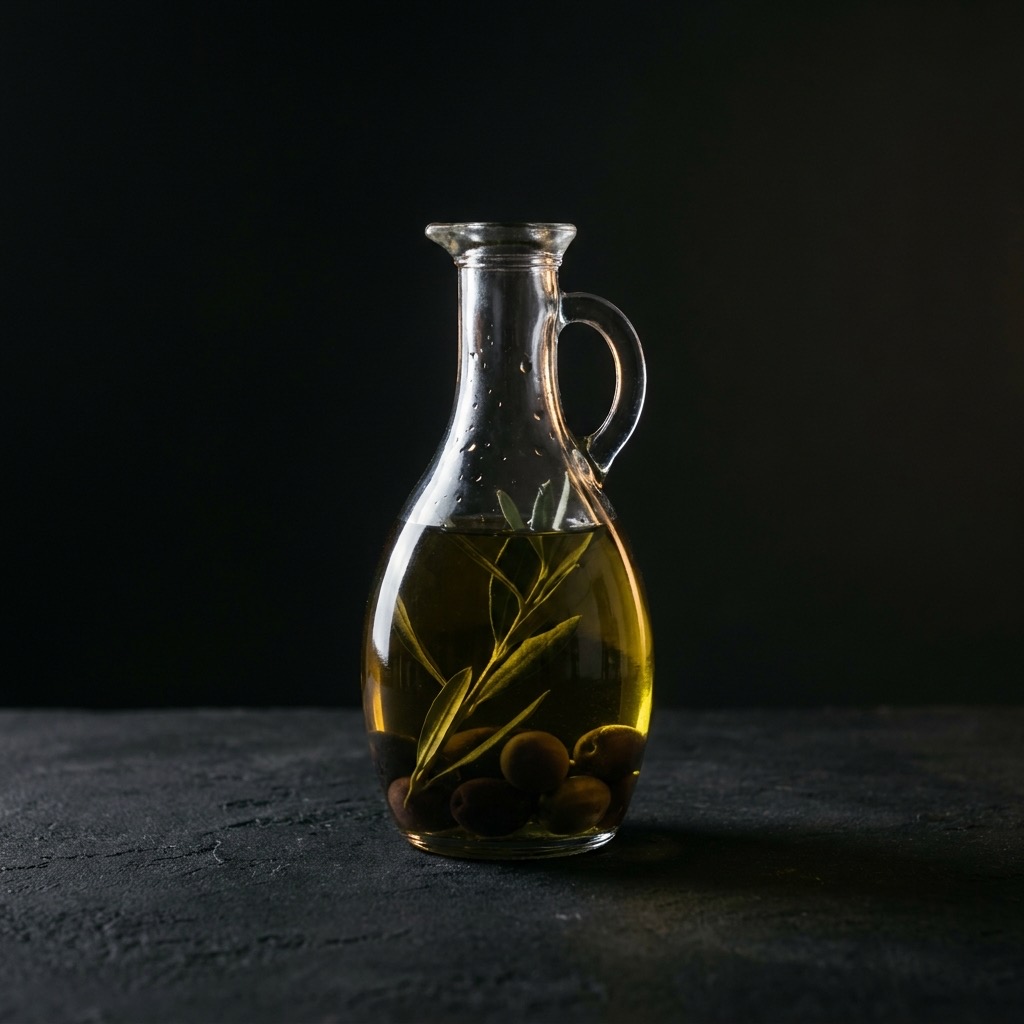
Johnson ties his daily EVOO to brain health and mood among other markers; Hyman names extra virgin olive oil among brain-healthy fats and prefers it over inflammatory seed oils. Two of five experts cover it directly - none oppose it.
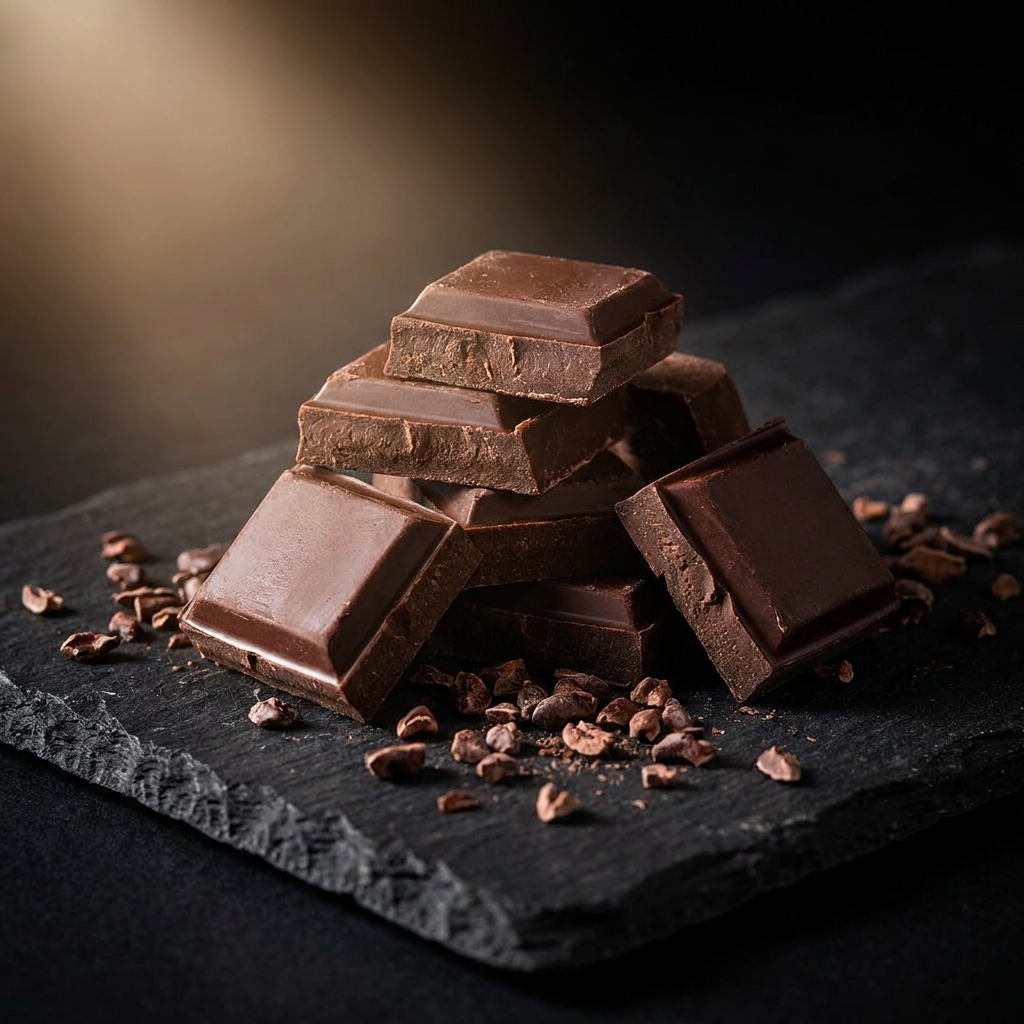
Dark Chocolate (high-flavanol cocoa)
Johnson frames high-flavanol cocoa (>400mg/serving) as benefiting memory and mood; Patrick lists dark chocolate alongside exercise and blueberries as a driver of neurogenesis; Hyman ties 73%+ cacao to improved blood flow. Choose high-cacao, low-sugar.
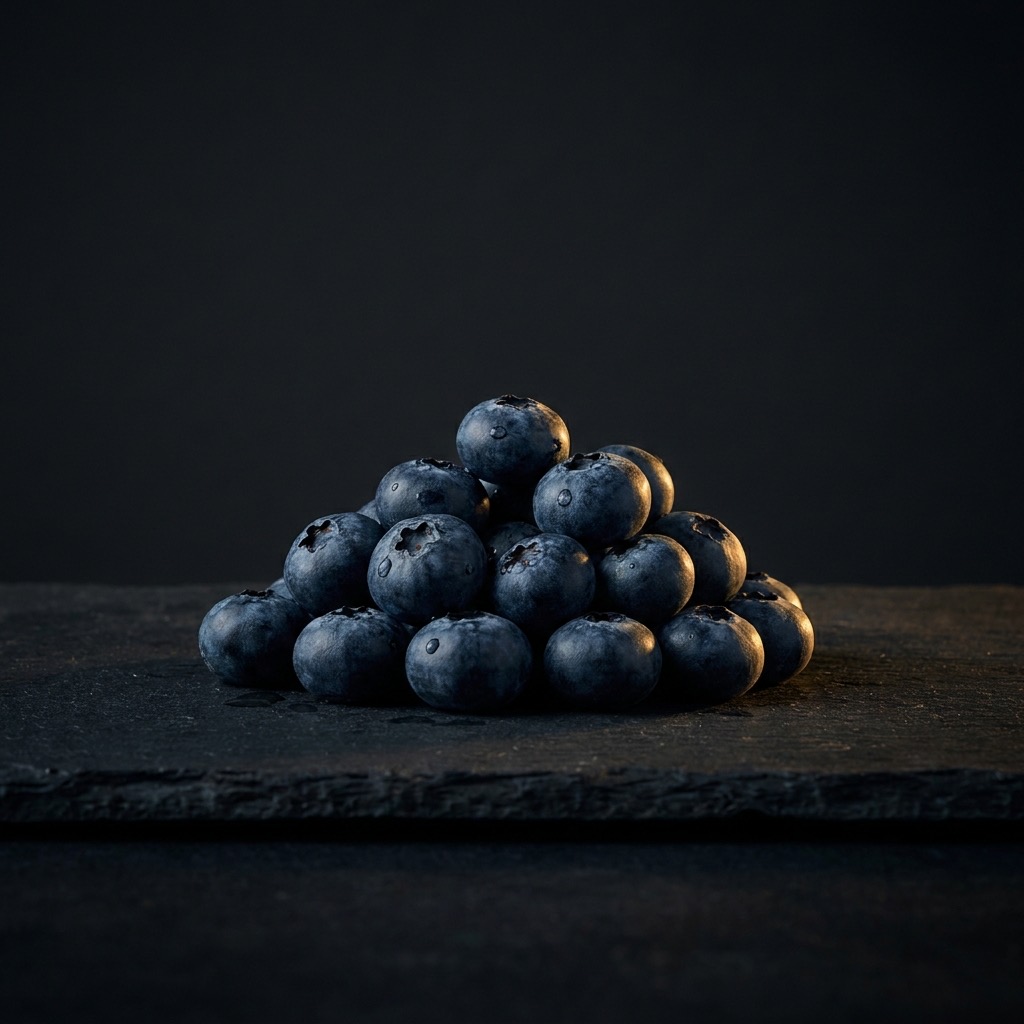
Blueberries
Patrick credits blueberry anthocyanins and pterostilbene with helping prevent cognitive decline and activating protective genes; Huberman references blueberry polyphenols in a brain-health context. A supporting food, narrower consensus than fish.
Common Mistakes
Using plant ALA (flax, walnuts) as your brain's DHA source. The panel warns it converts too inefficiently - the brain's DHA comes far more reliably from fish or salmon roe.
Buying sweetened "dark" chocolate. The flavanol benefit lives in high-cacao (73%+), low-sugar bars - the candy-aisle versions undo it.
Expecting nootropic-like instant effects. These foods work cumulatively over months, by supplying structural raw materials, not by acute stimulation.
Related Questions
Know the foods. Now get the protocol.
This page shows the foods researchers point to for brain health, with the source behind each one. Pro unlocks the supplement protocols that go with them - exact dosages, timing, forms - and lets you chat the full expert dataset with cited answers.
Cancel anytime