Foods · Expert Consensus (2026)
Best Foods for Skin Health
This is the "collagen for skin, not muscle" page. The experts are clear that collagen and vitamin C support skin from the inside, omega-3 and fermented foods calm the inflammation that ages it, and cutting sugar protects it. We keep the honest caveats - topical beats oral for some of this, and the collagen evidence is promising, not settled.
The short answer
The best-grounded skin foods are collagen-rich bone broth (about 15g/day supports skin elasticity) paired with vitamin-C foods (citrus, berries, peppers) that make collagen synthesis work, plus fatty fish for omega-3 and fermented foods for the gut-skin axis. Cutting sugar and ultra-processed foods matters as much as anything you add.
Top Foods for Skin Health
Each score is the consensus of the nutrient the food delivers - a lower score usually means fewer of the 5 experts have covered it, not that they disagree. Foods without a dedicated report are marked Expert-cited.
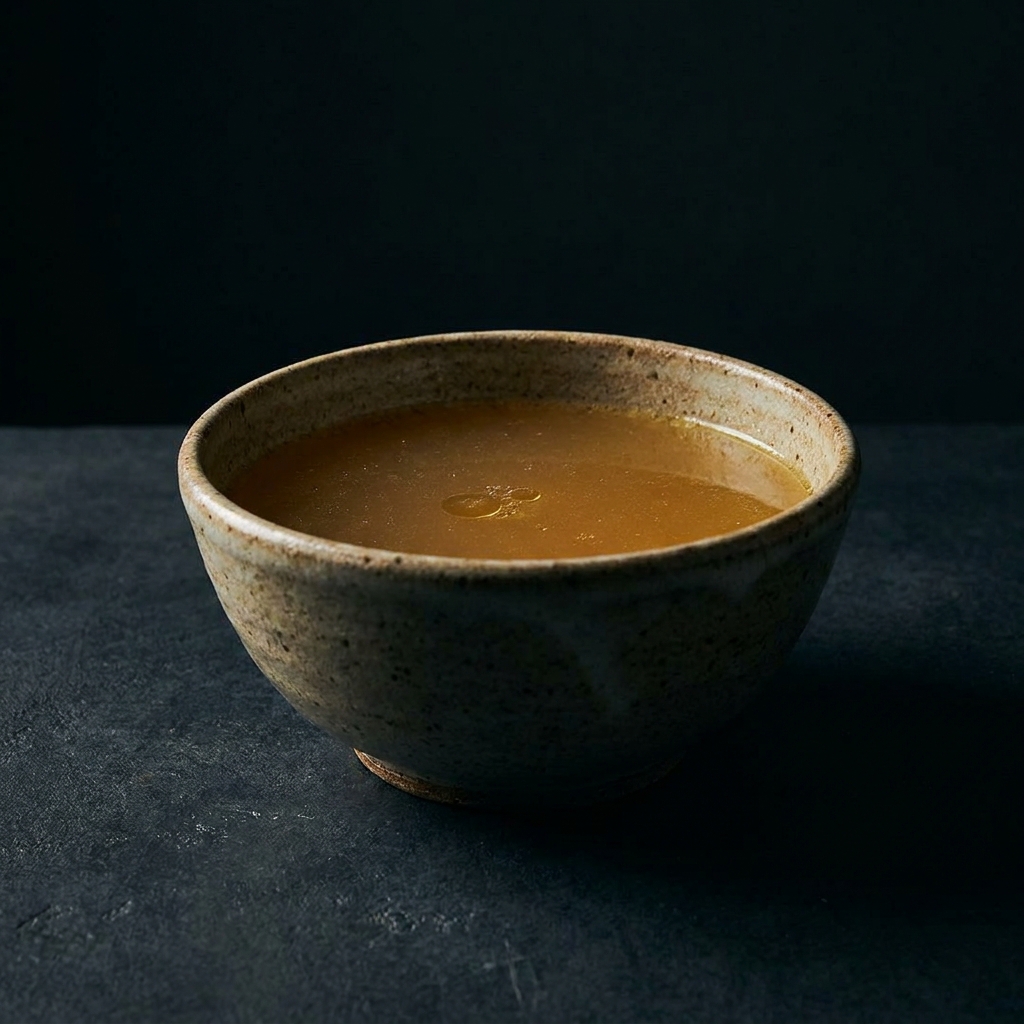
Bone Broth / Collagen
Huberman's clearest position - about 15g/day of collagen (or bone broth) over two-plus weeks supports skin elasticity and appearance, and for skin specifically it beats whey (whey wins for muscle). Honest caveat - his own dermatologist guest calls the oral-collagen evidence equivocal.
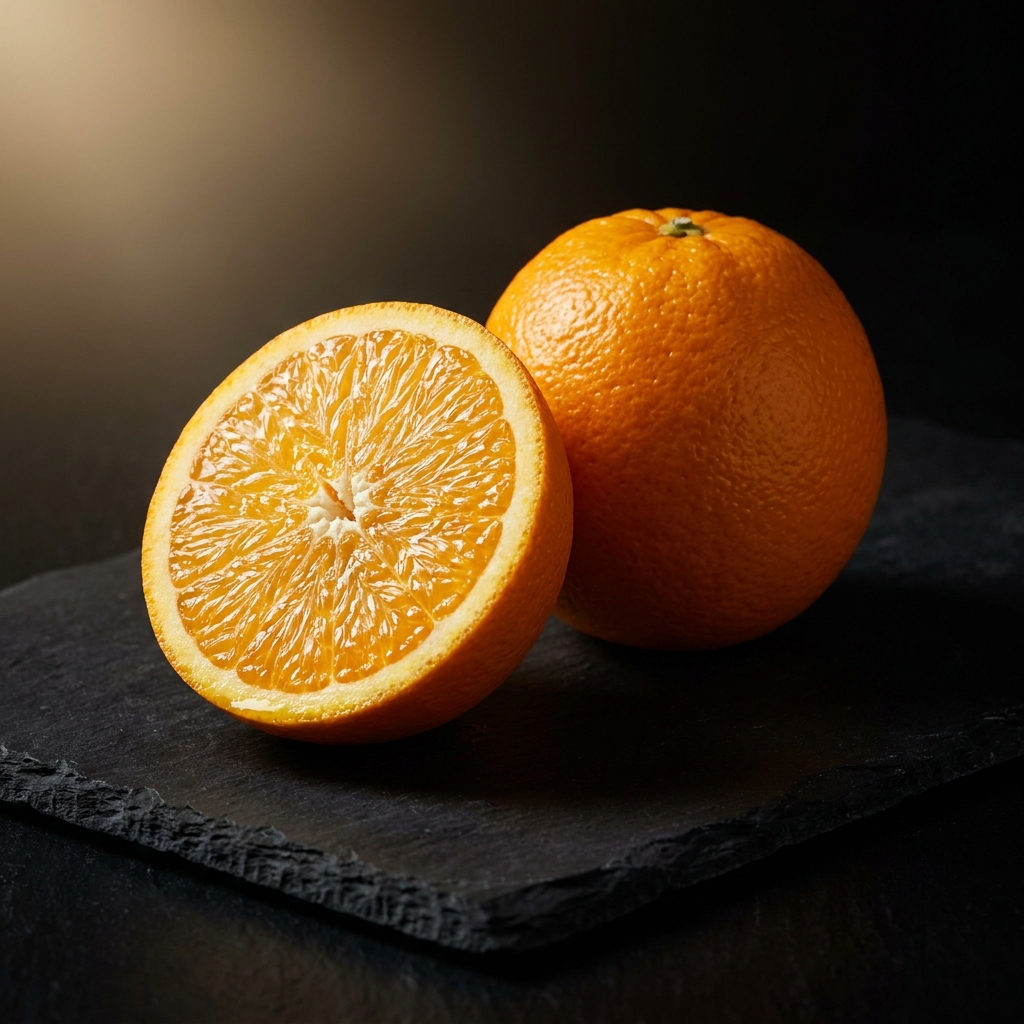
Citrus & Bell Peppers
Vitamin C is the cofactor that makes collagen synthesis run - Patrick calls it critical for maintaining collagen and slowing skin aging, and Hyman ties skin collagen to getting enough vitamin C from fruits and vegetables. Honest note - Attia finds topical vitamin C more potent for skin than oral, so food supports synthesis rather than replacing a serum.
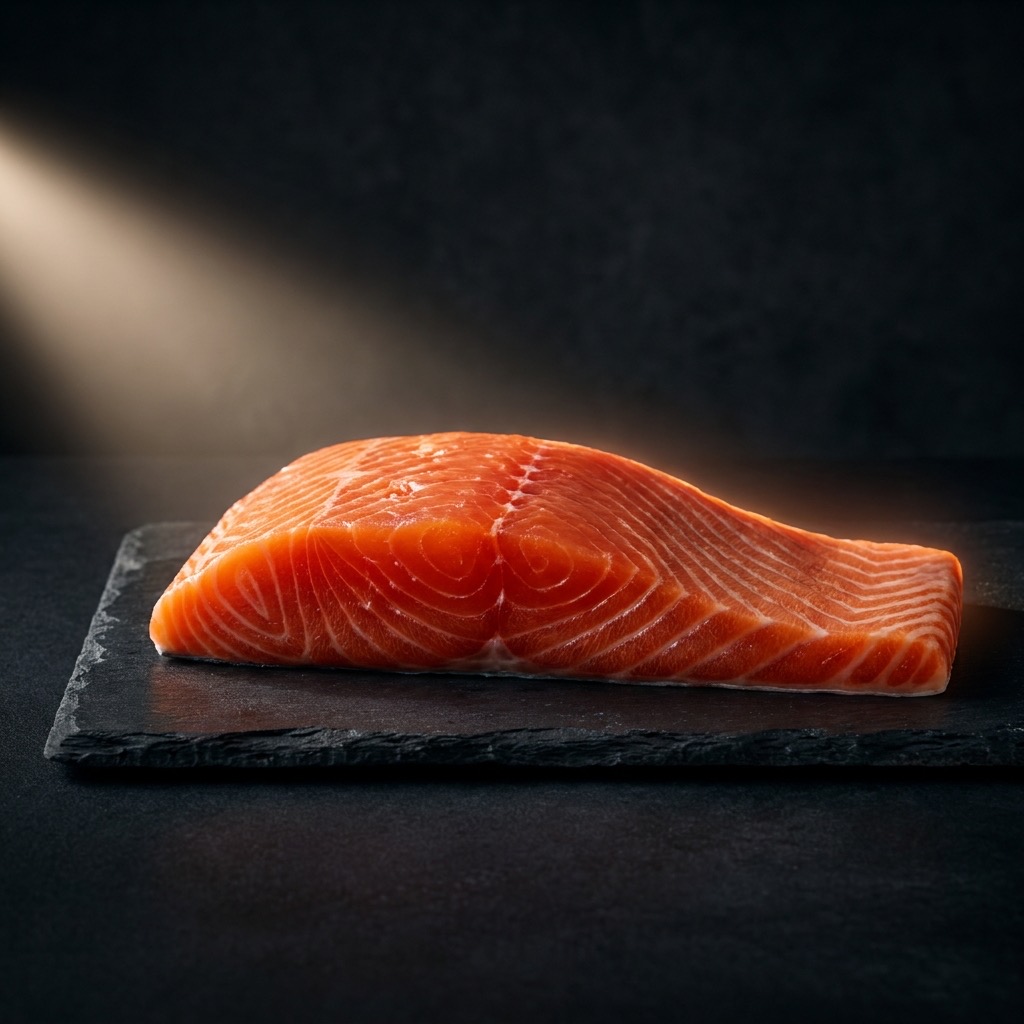
Fatty Fish (salmon, sardines)
Omega-3s lower inflammatory signaling in the skin. Hyman links low omega-3 status to dry skin and recommends getting the omega-3 index toward roughly 8 percent; Patrick frames the benefit through reduced inflammatory gene expression. A real but mechanism-level, not cosmetic, claim.
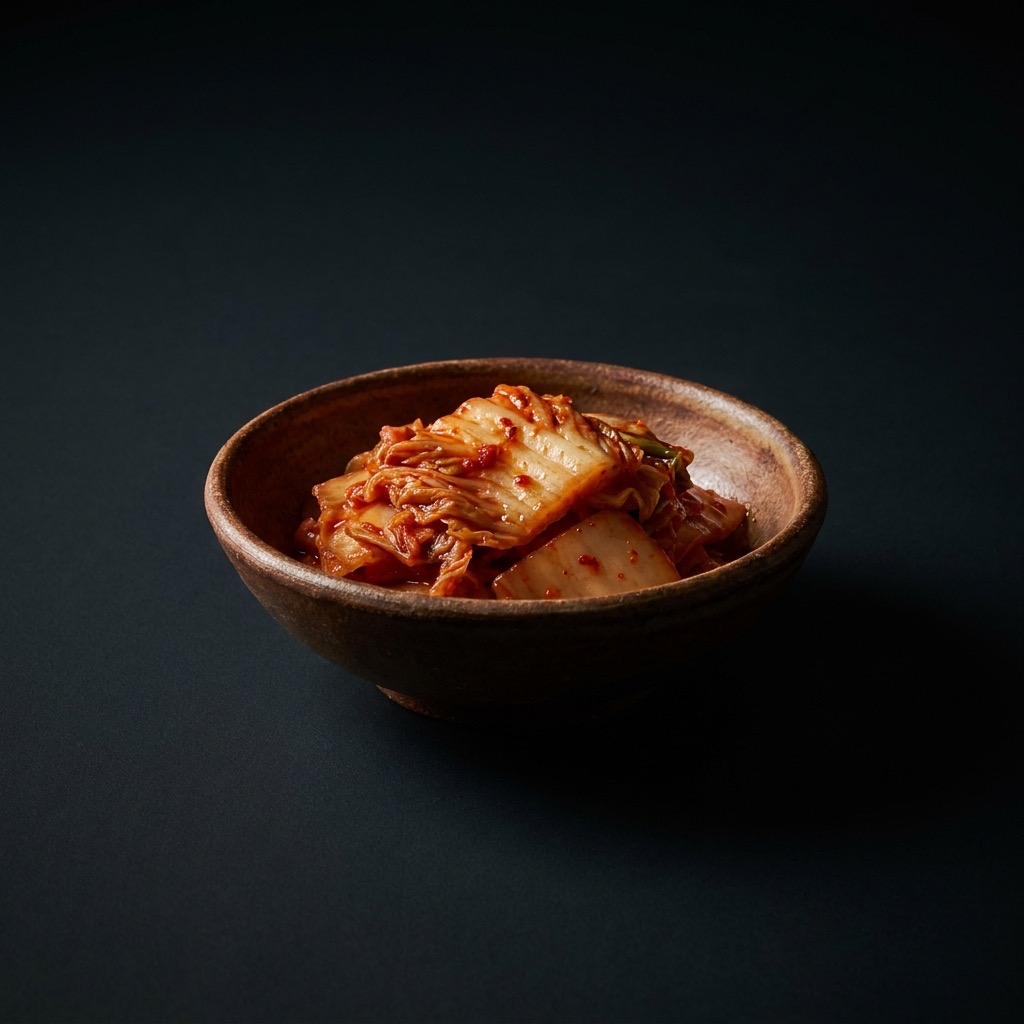
Fermented Foods (kimchi, sauerkraut, kefir)
In his dedicated skin episode, Huberman prescribes low-sugar fermented foods and fiber to lower systemic inflammation through the gut-skin axis. Hyman echoes that a healthier microbiome shows up in clearer skin. Supporting, whole-food framing - not a probiotic-pill claim.
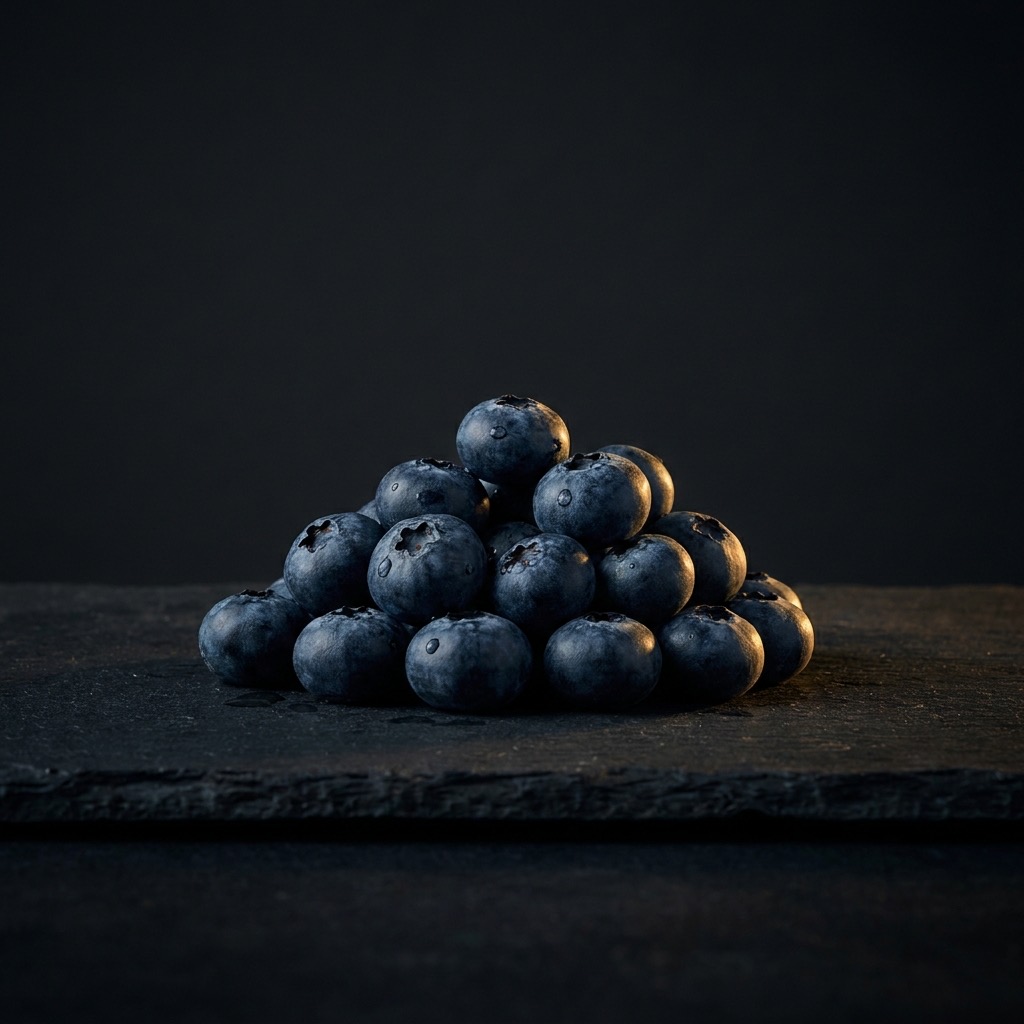
Berries & Colorful Produce
Huberman's skin episode prescribes minimally processed, colorful, low-sugar whole foods to cut the inflammation and glycation (AGEs) that visibly age skin. Honest framing - this is an anti-inflammatory diet for skin, not a single carotenoid-for-skin claim, which the corpus does not support.
Common Mistakes
Expecting collagen to build muscle. Whey and leucine beat collagen for muscle; collagen's real benefit is skin and connective tissue, not the gym.
Chasing expensive topicals over diet and sun protection. The experts say daily mineral sunscreen and an anti-inflammatory diet are the foundational moves - premium serums rarely beat the basics.
Eating sugar and ultra-processed foods while supplementing for skin. Glucose spikes drive glycation (AGEs) that wrinkle and age skin from the inside.
Assuming oral vitamin C equals a topical. Food vitamin C supports collagen synthesis internally; for a surface antioxidant effect, a topical delivers far higher concentration.
Related Questions
Know the foods. Now get the protocol.
This page shows the foods researchers point to for skin health, with the source behind each one. Pro unlocks the supplement protocols that go with them - exact dosages, timing, forms - and lets you chat the full expert dataset with cited answers.
Cancel anytime