Foods · Expert Consensus (2026)
Best Foods for Mood
Food is a support for mood, not a treatment - and the experts are careful about that line. The strongest levers they point to are omega-3 from fatty fish and magnesium from greens. Then fermented foods for the gut-brain axis, and the shift away from ultra-processed eating. If you are struggling, these complement professional care and do not replace it.
The short answer
The best-grounded mood foods are fatty fish for omega-3 EPA, which is tied to serotonin signaling. Then magnesium-rich leafy greens and nuts, plus fermented foods for the gut-brain axis. Dark chocolate and B-vitamin foods add support. Food complements mental-health care and never replaces it. Marine EPA matters more than plant ALA.
Top Foods for Mood
Each score is the consensus of the nutrient the food delivers - a lower score usually means fewer of the 5 experts have covered it, not that they disagree. Foods without a dedicated report are marked Expert-cited.
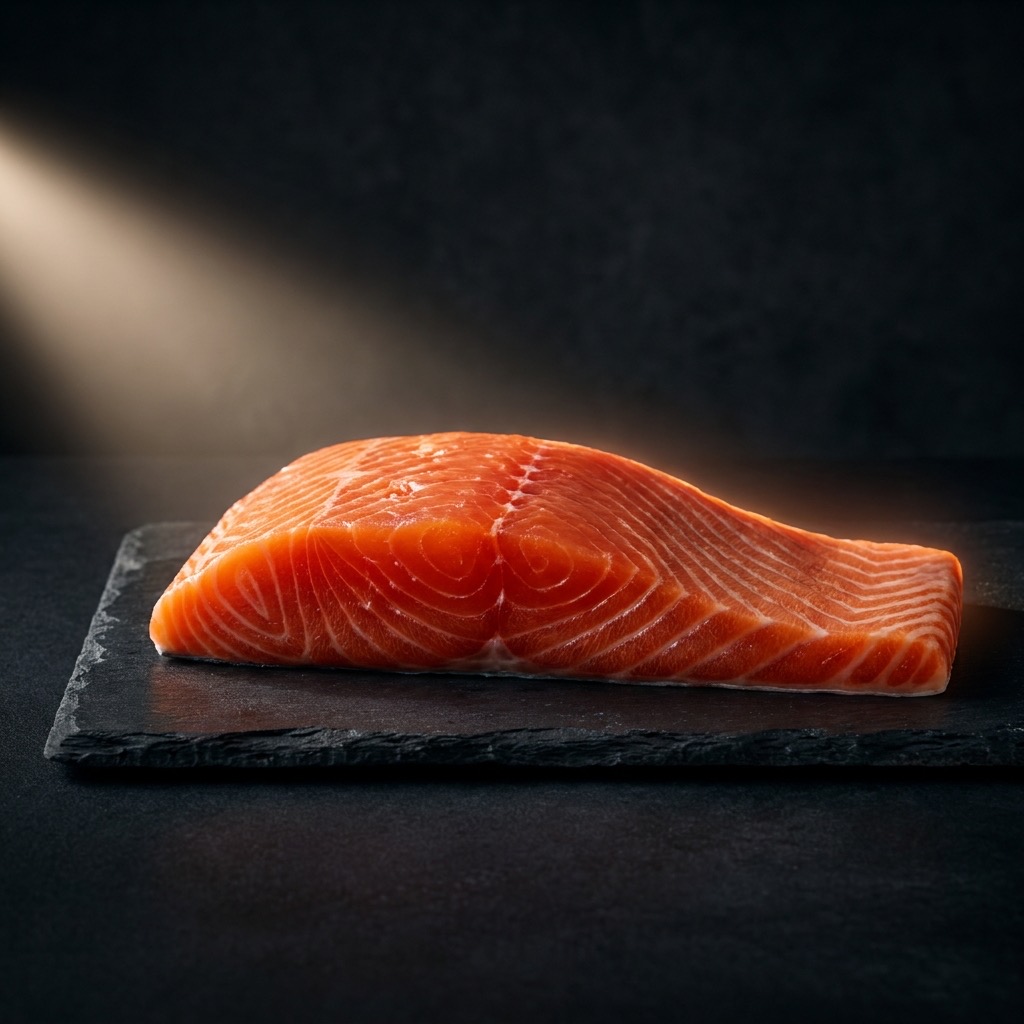
Fatty Fish (salmon, sardines)
Patrick highlights EPA-rich fish for mood - EPA's anti-inflammatory action helps protect serotonin signaling. Honest note - the named therapeutic EPA amounts are supplement-scale, so a serving of salmon delivers a fraction. Fish is the dietary base, not a dose.
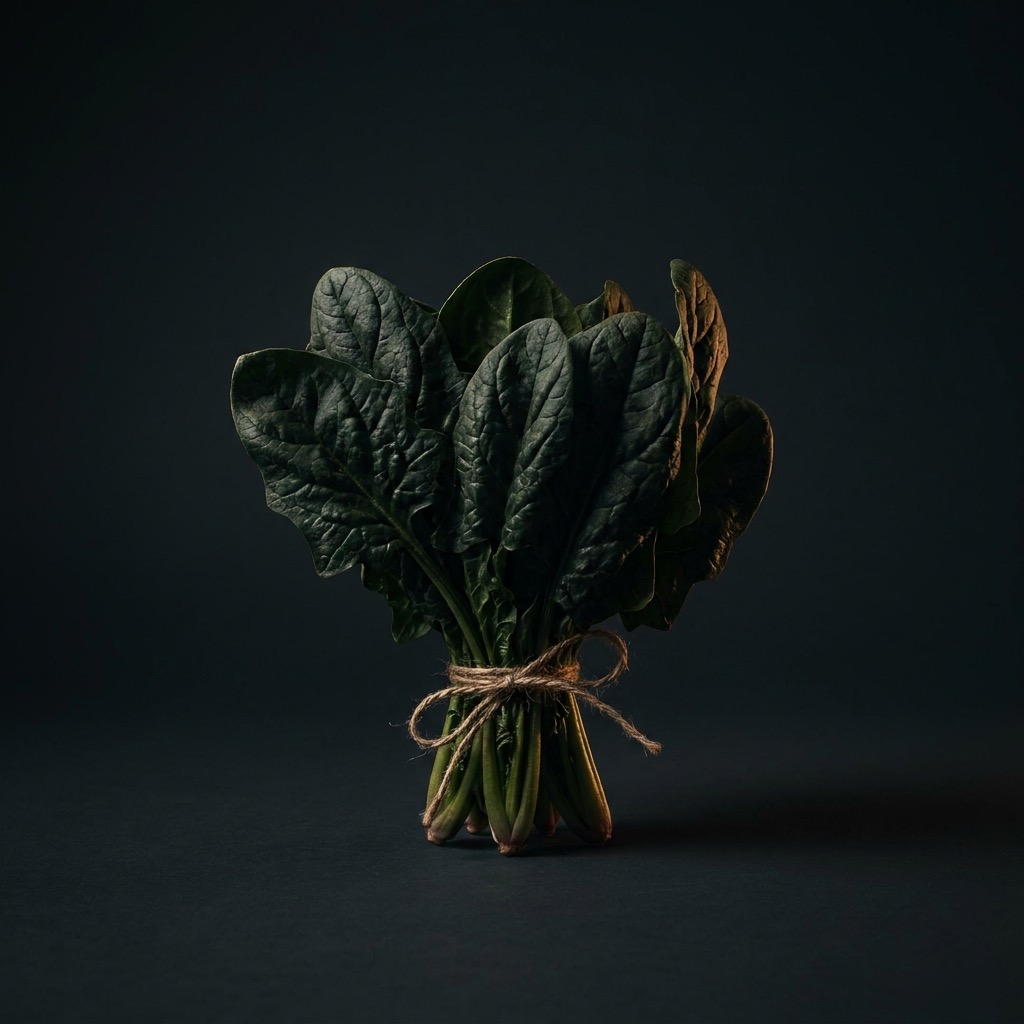
Leafy Greens & Nuts
Magnesium is the relaxation mineral that supports GABA activity and mood regulation. Hyman and Dr. Uma Naidoo name the food sources as leafy greens, nuts and seeds, plus avocado and dark chocolate. They note stress and coffee deplete it.
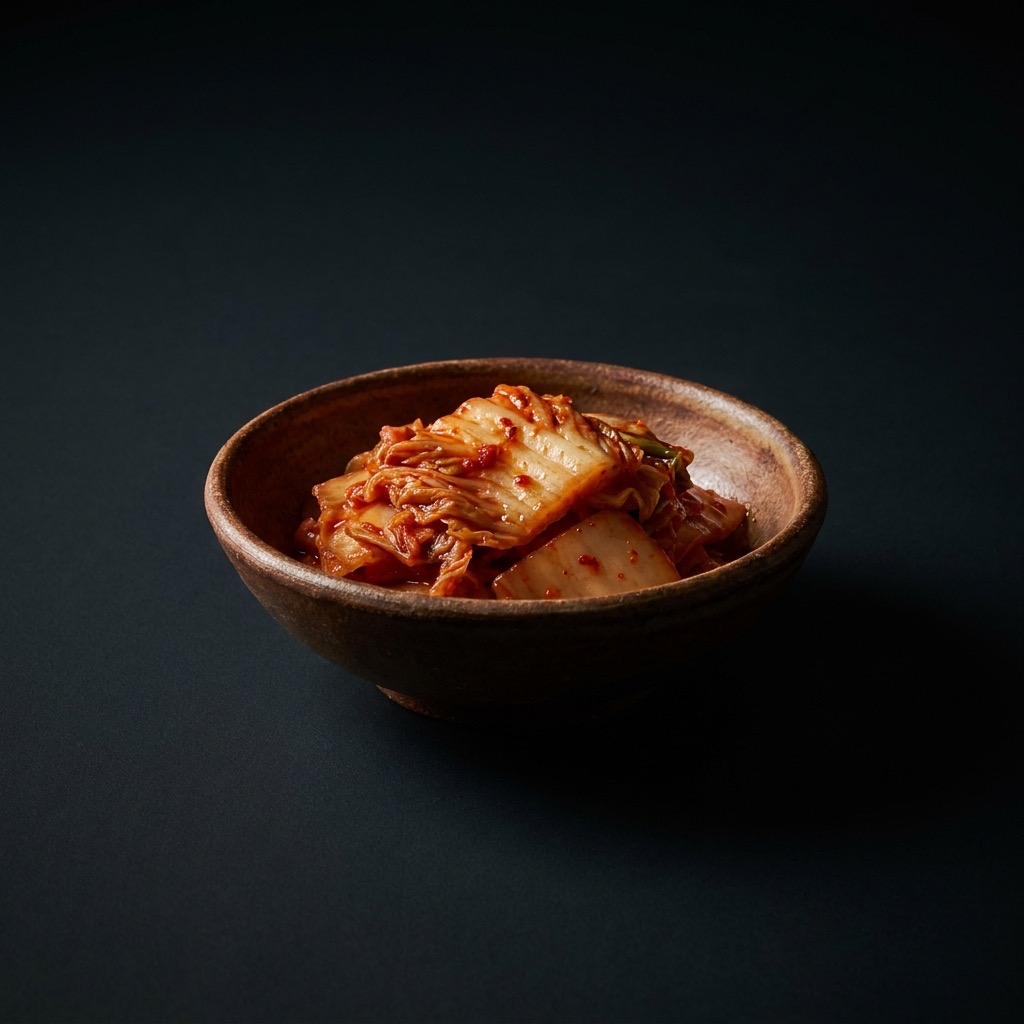
Fermented Foods (kimchi, kefir, sauerkraut)
Huberman recommends one to four daily servings of low-sugar fermented foods for the gut-brain axis - the gut produces serotonin that signals the brain via the vagus nerve. Honest counterweight - the strain science remains unsettled, and Attia is skeptical of probiotic supplements.
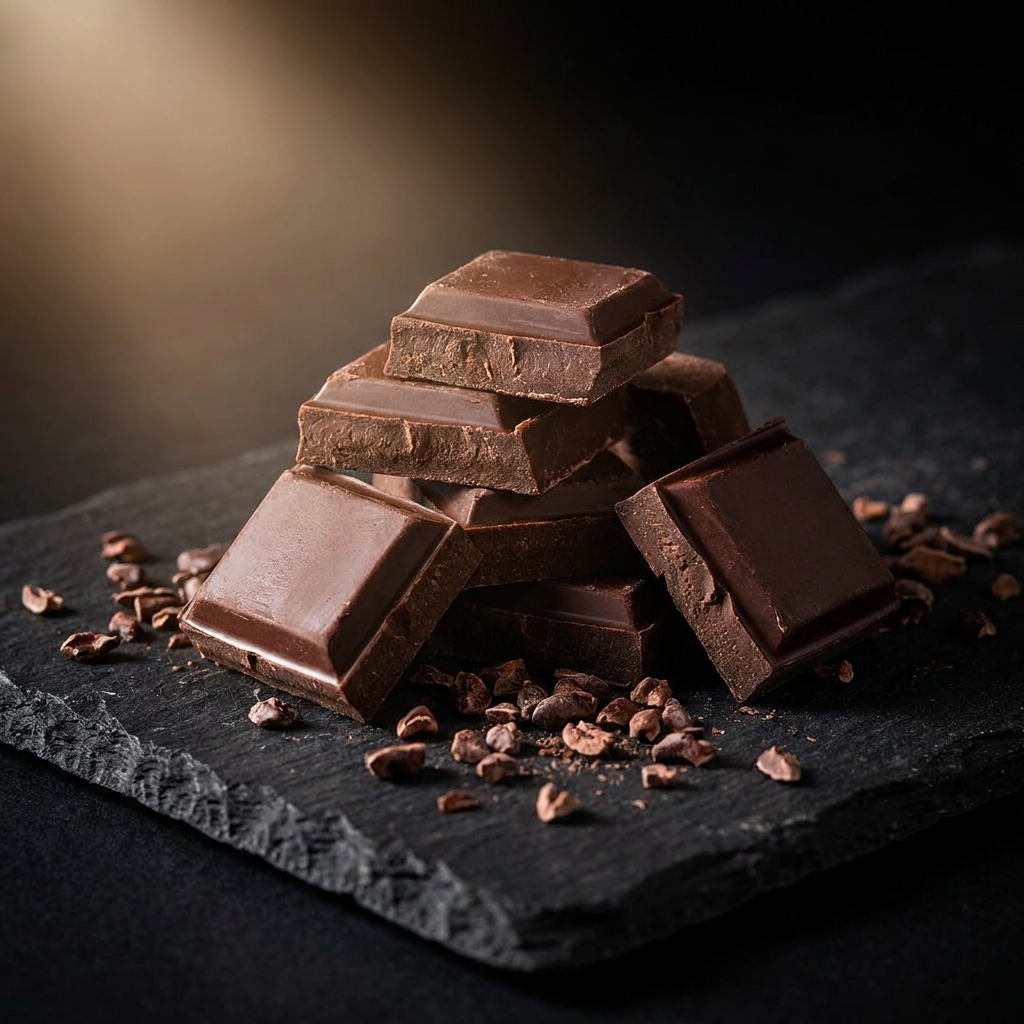
Dark Chocolate / Cacao
Johnson names mood among the benefits of high-flavanol cocoa, and dark chocolate doubles as a magnesium source. Honest note - pick low-heavy-metal sources and watch the serving size, since clean labels can still carry heavy metals.
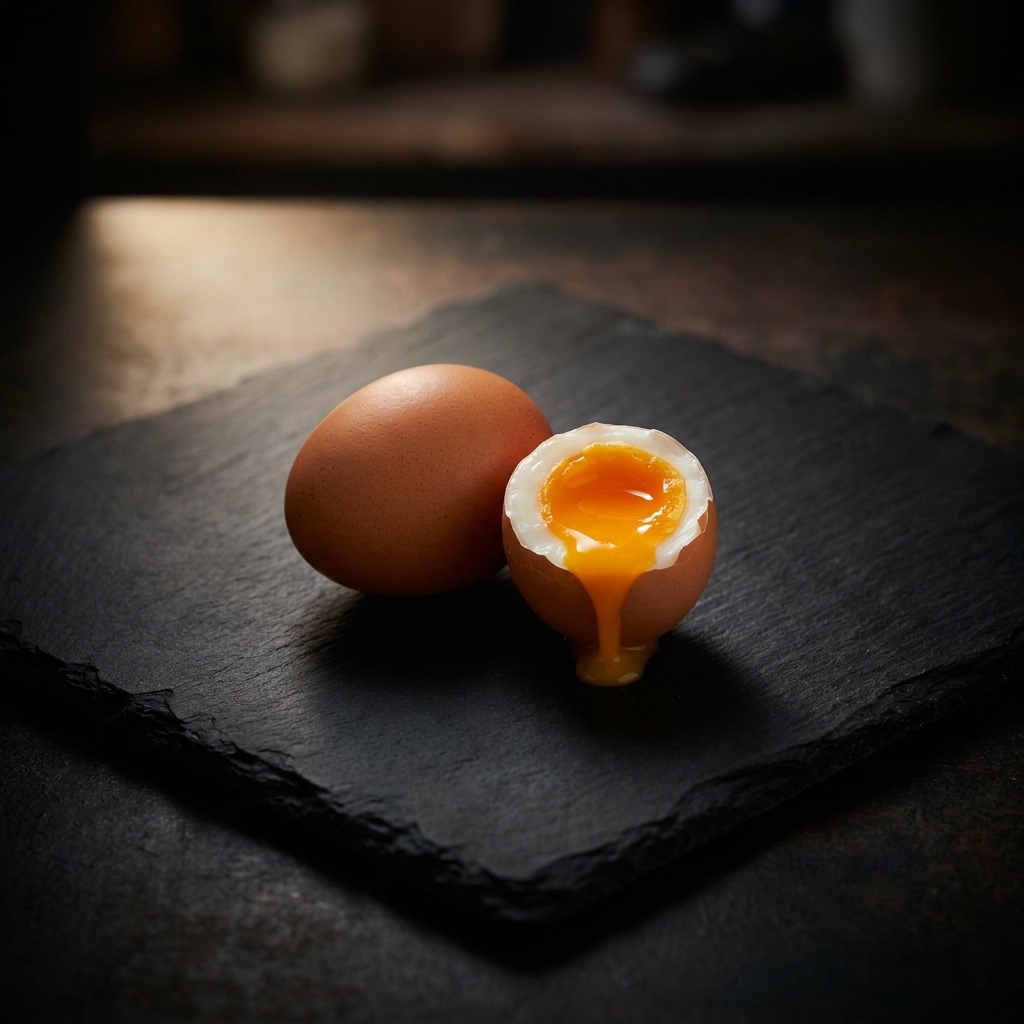
Eggs & B-Vitamin Foods
Hyman and Dr. Naidoo call B-vitamins and vitamin D important for mood. The food sources they name are leafy greens and eggs, lean meats and nutritional yeast. Honest note - vitamin D mostly comes from sunlight, so treat these as supporting foods rather than a single mood fix.
Common Mistakes
Treating food as a substitute for mental-health care. The experts are explicit that diet complements therapy and professional care without replacing it. Severe mood disorders need more than a grocery list.
Assuming plant ALA equals the EPA that matters. The mood benefit is tied to marine EPA and DHA; flax and chia ALA convert poorly, so fatty fish (or algae oil) is the real source.
Expecting one food or one dose to fix mood. The named EPA amounts are supplement-scale - the corpus frames mood food as a whole-diet pattern, not a single hero food.
Chasing 100 percent cacao as healthiest. Clean labels can hide heavy metals; flavanol content and a sensible serving size matter more than how dark the bar is.
Related Questions
Know the foods. Now get the protocol.
This page shows the foods researchers point to for mood, with the source behind each one. Pro unlocks the supplement protocols that go with them - exact dosages, timing, forms - and lets you chat the full expert dataset with cited answers.
Cancel anytime