Foods · Expert Consensus (2026)
Best Foods for Immune Support
Most of the immune system lives in the gut, which is why the experts' immune-food list starts there. Then come the minerals and fats immune cells run on. Food-first, not megadosing.
The short answer
The experts agree most on the gut-immune axis - Huberman recommends about 4 daily servings of fermented foods over probiotic pills. Zinc-rich oysters and pumpkin seeds come next. Fatty fish adds vitamin D and inflammation-resolving omega-3. Vitamin C, garlic and mushrooms help. Lean food-first.
Top Foods for Immune Support
Each score is the consensus of the nutrient the food delivers - a lower score usually means fewer of the 5 experts have covered it, not that they disagree. Foods without a dedicated report are marked Expert-cited.
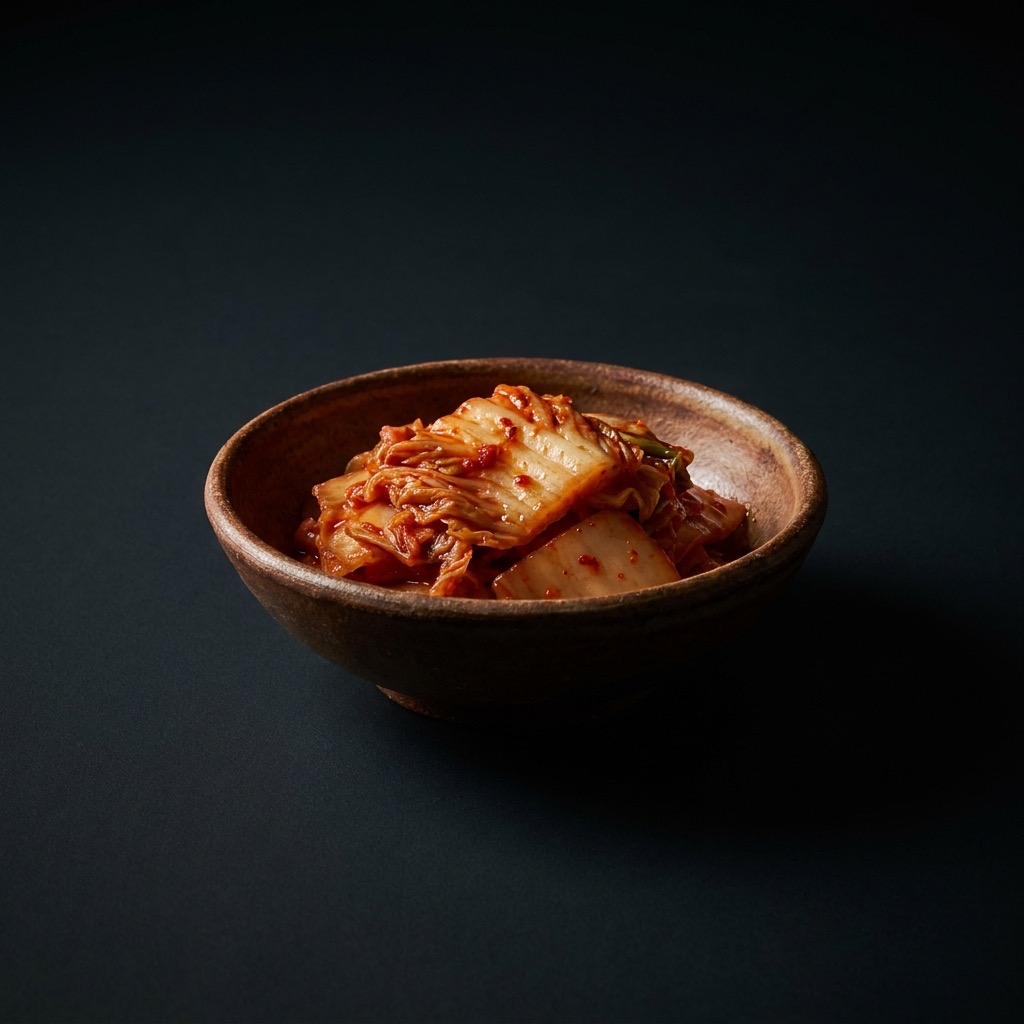
Fermented Foods (sauerkraut, kimchi, kefir, yogurt)
Most of the immune system lives in the gut, and all five experts treat gut health as foundational. Huberman's call - 4 servings of low-sugar fermented foods daily beats probiotic pills; the Stanford study he and Patrick cite shows ferments raise diversity and lower inflammation.
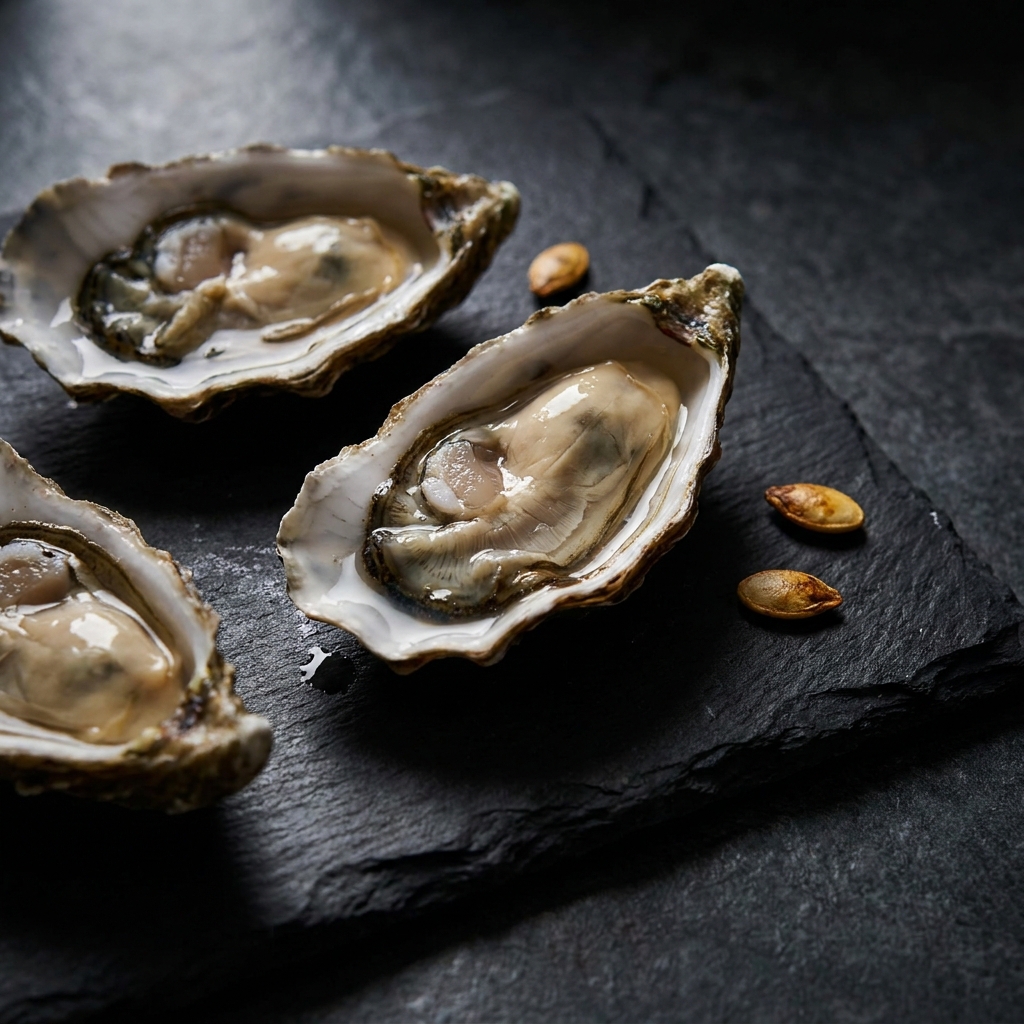
Zinc-Rich Foods (oysters, pumpkin seeds, beef)
Oysters are the highest-bioavailability zinc source; Hyman names oysters and pumpkin seeds for immune resilience. Zinc impairs viral replication and shortens cold duration, and Patrick notes deficiency raises infection risk - roughly 40% of Americans fall short.
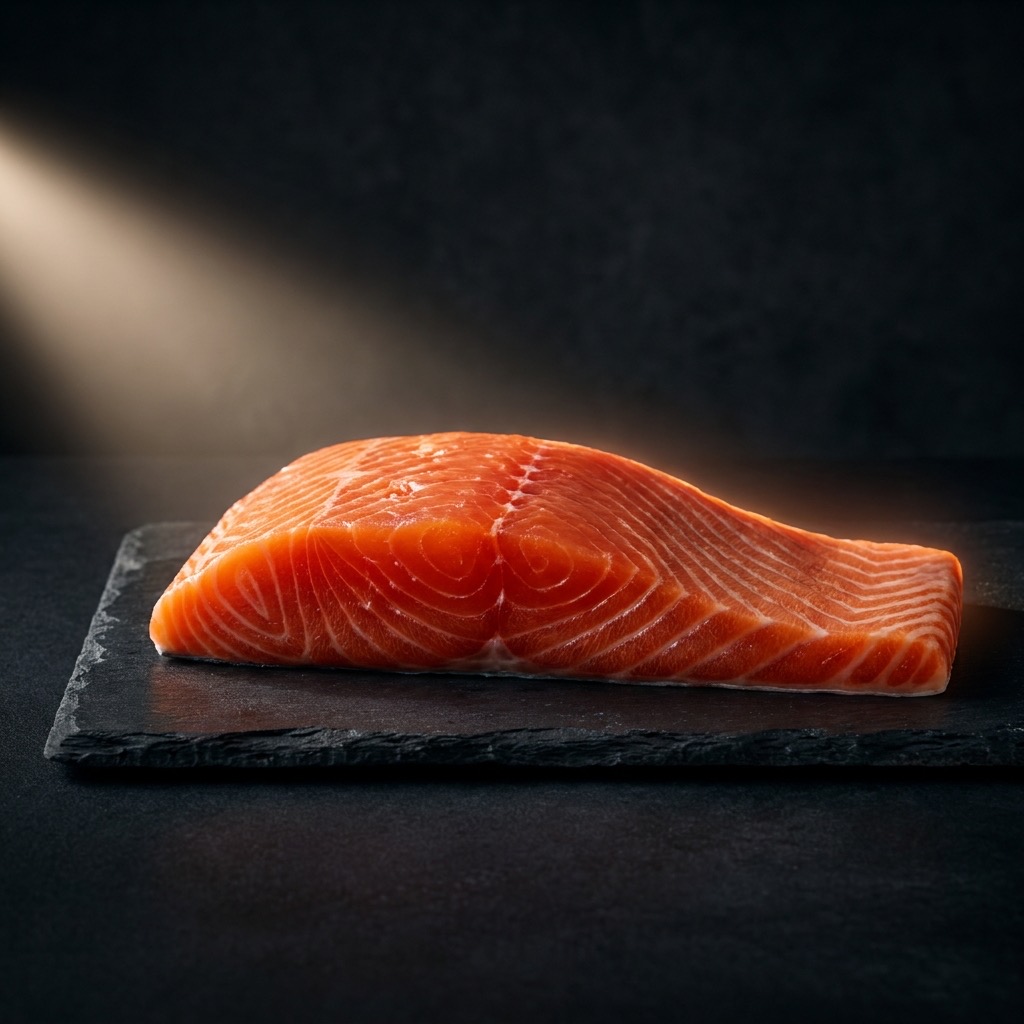
Fatty Fish (salmon, sardines)
Fatty fish delivers vitamin D. Patrick notes it regulates over 1,000 genes including immune ones. The omega-3 in the same fish helps resolve inflammation via specialized pro-resolving mediators (Patrick). Attia is more cautious on vitamin D supplementation - sun and lifestyle may be the real driver.
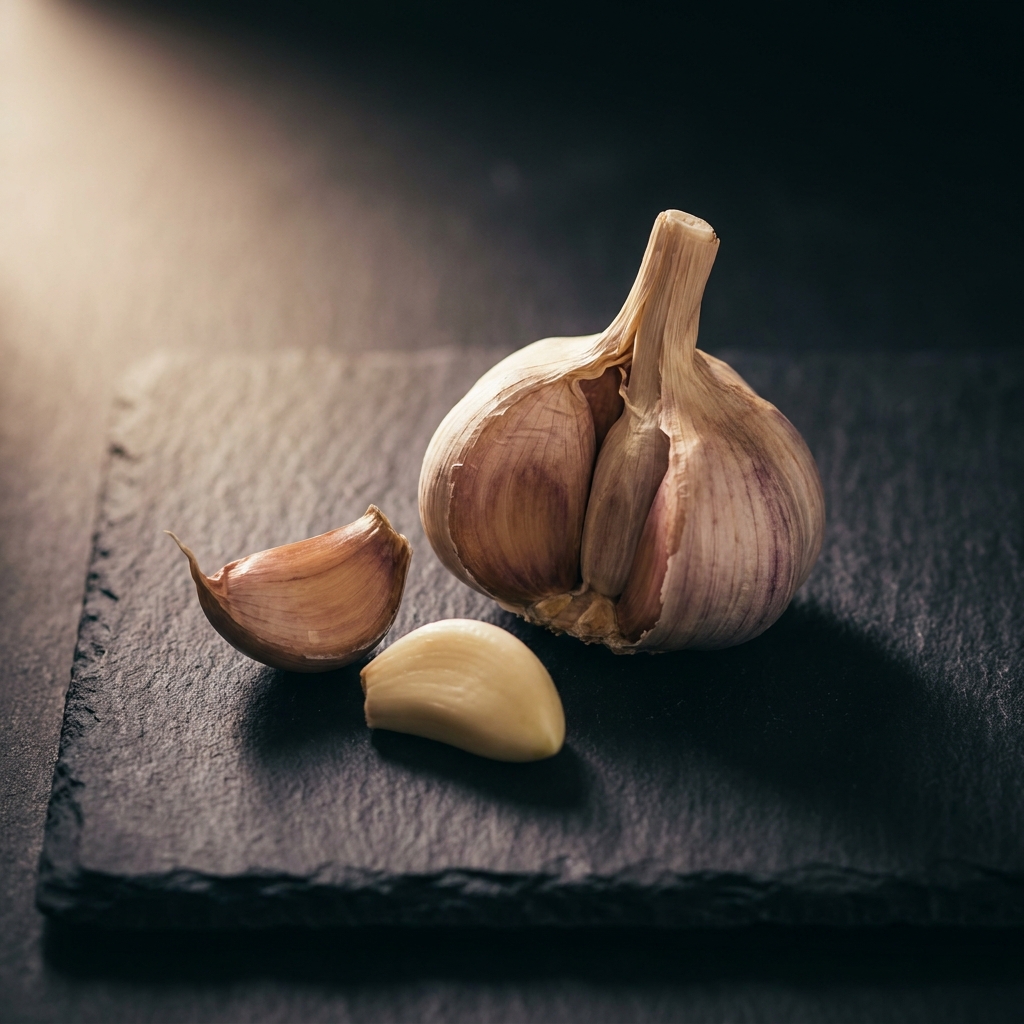
Garlic & Alliums
Hyman names garlic among immune-supporting whole foods and frames alliums as sulfur-rich foods that raise glutathione, the master antioxidant supporting natural killer cells. The immune framing here leans on Hyman - present it food-first.
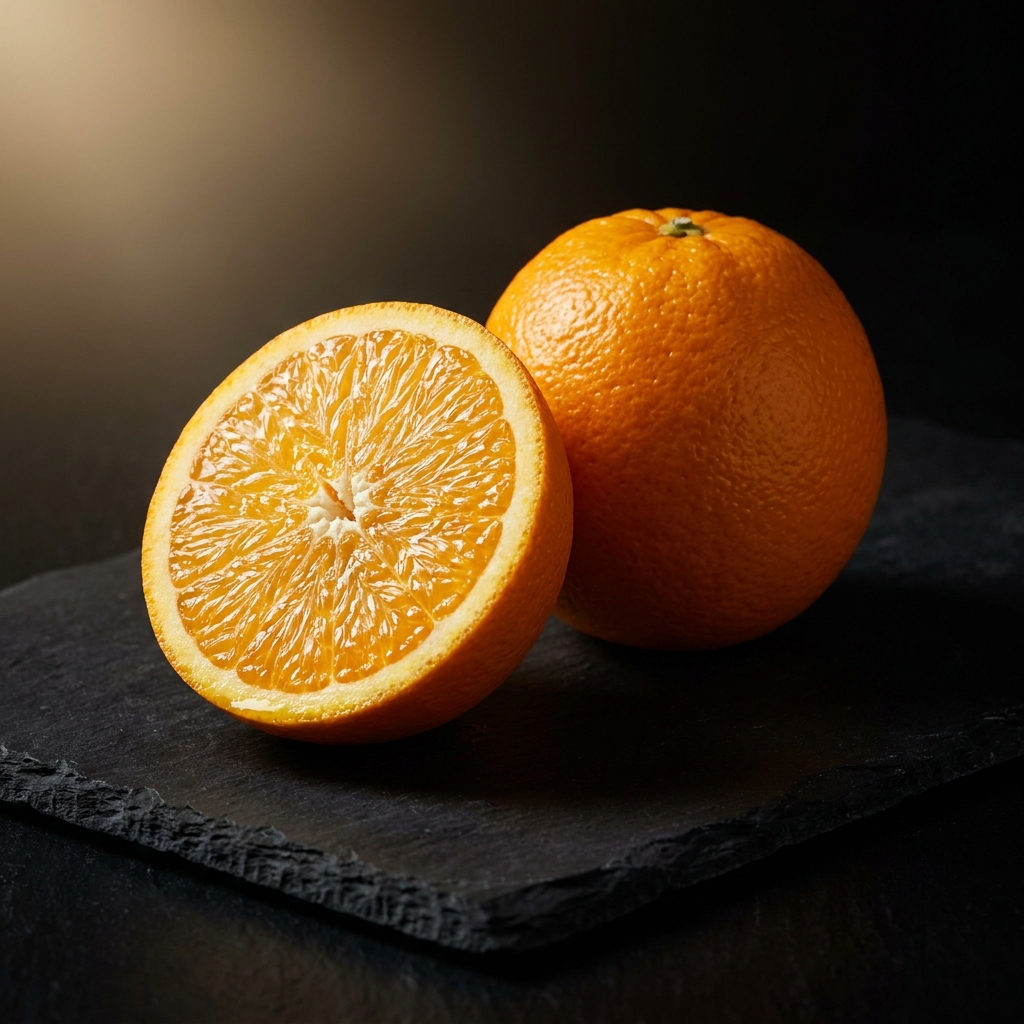
Citrus & Bell Peppers
Hyman points to whole-food vitamin C from citrus, berries and peppers to support white-blood-cell production. Honest caveat - Huberman finds high-dose vitamin C weak for colds and Attia doubts oral megadoses. The play is food first rather than a 1,000mg pill.
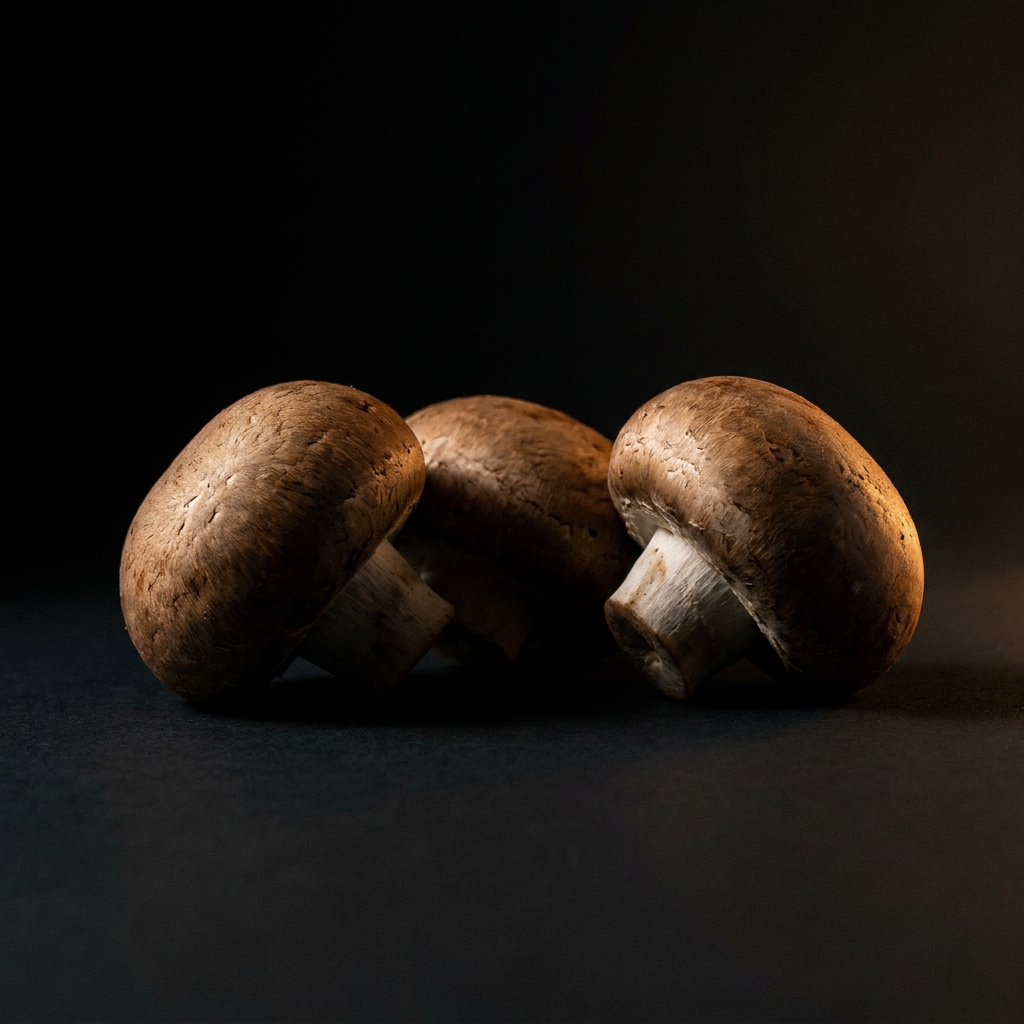
Medicinal Mushrooms (reishi, shiitake)
Hyman has a dedicated segment on medicinal mushrooms (reishi, cordyceps) as immune-active foods that help the body fight infection. Single-expert support - no other expert covers mushrooms for immunity, so treat it as a Hyman pick, not consensus.
Common Mistakes
Megadosing vitamin C at the first sniffle. The panel splits - Huberman finds high-dose C weak for colds; experts favor whole-food C plus zinc instead.
Skipping the gut. Most immune tissue is in the gut, so fermented foods and fiber do more for baseline immunity than any single "immune-boosting" supplement.
Using zinc lozenges year-round. High-dose zinc is an at-onset, short-term tool; for baseline status the experts point to food sources like oysters and pumpkin seeds.
Related Questions
Know the foods. Now get the protocol.
This page shows the foods researchers point to for immune support, with the source behind each one. Pro unlocks the supplement protocols that go with them - exact dosages, timing, forms - and lets you chat the full expert dataset with cited answers.
Cancel anytime