Foods · Expert Consensus (2026)
Best Foods for Sleep
Sleep is the experts' highest-consensus health lever. The food evidence splits into two tiers. Magnesium and glycine map to proven consensus. Kiwi and tart cherry are promising but unproven. We label both.
The short answer
The best-grounded sleep foods are magnesium-rich greens, pumpkin seeds and almonds, plus glycine from bone broth and collagen. Both map to high-consensus expert reports. Fatty fish has real but thinner sleep grounding. Tart cherry and kiwi appear only as promising test-it-yourself mentions, not consensus.
Top Foods for Sleep
Each score is the consensus of the nutrient the food delivers - a lower score usually means fewer of the 5 experts have covered it, not that they disagree. Foods without a dedicated report are marked Expert-cited.
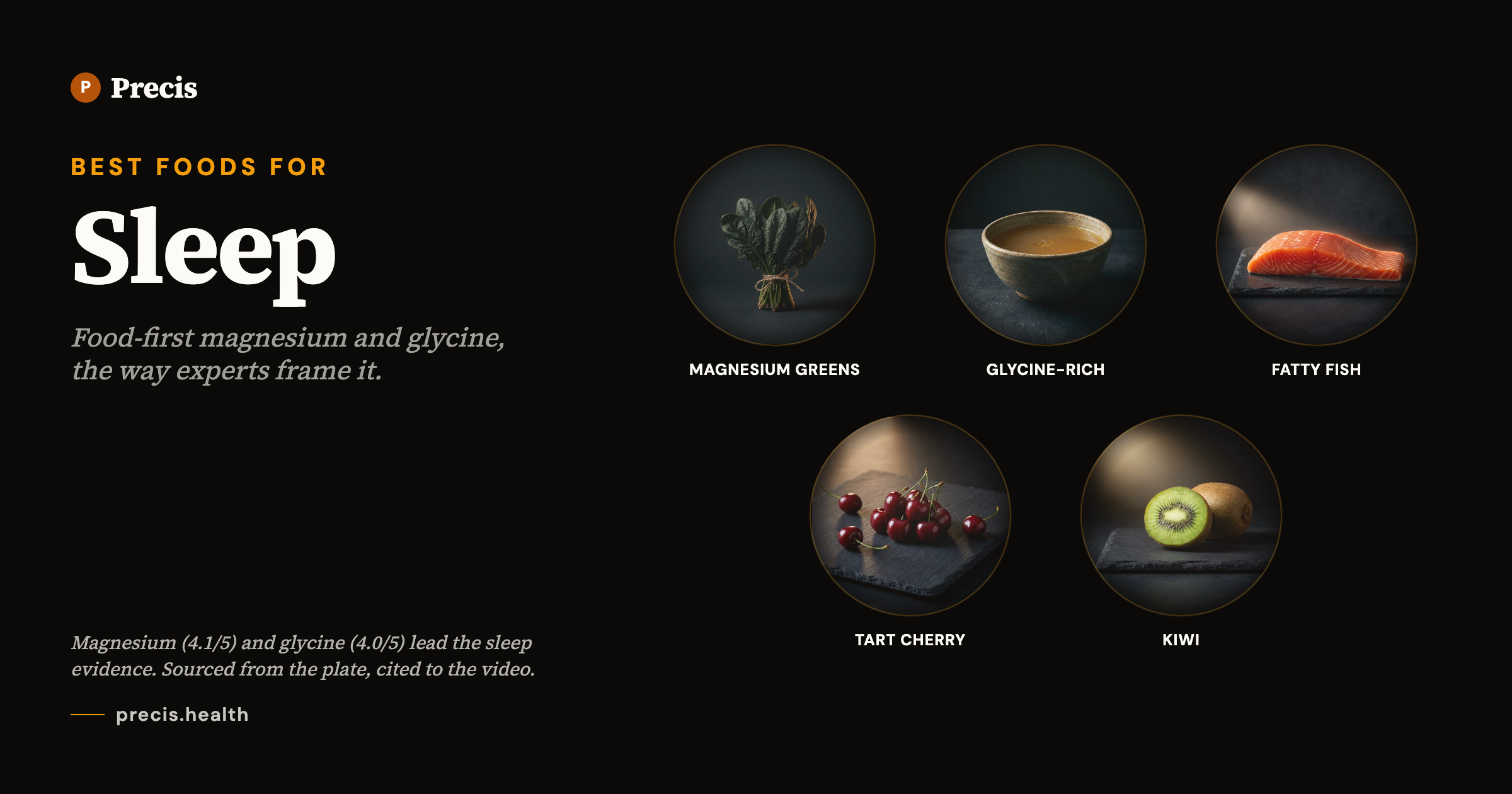
Magnesium-Rich Foods (leafy greens, pumpkin seeds, almonds)
Magnesium supports GABA activity and anchors Huberman's sleep cocktail. Roughly half of adults are low. The foods Patrick, Hyman and Huberman point to are dark leafy greens, pumpkin seeds, almonds and legumes.
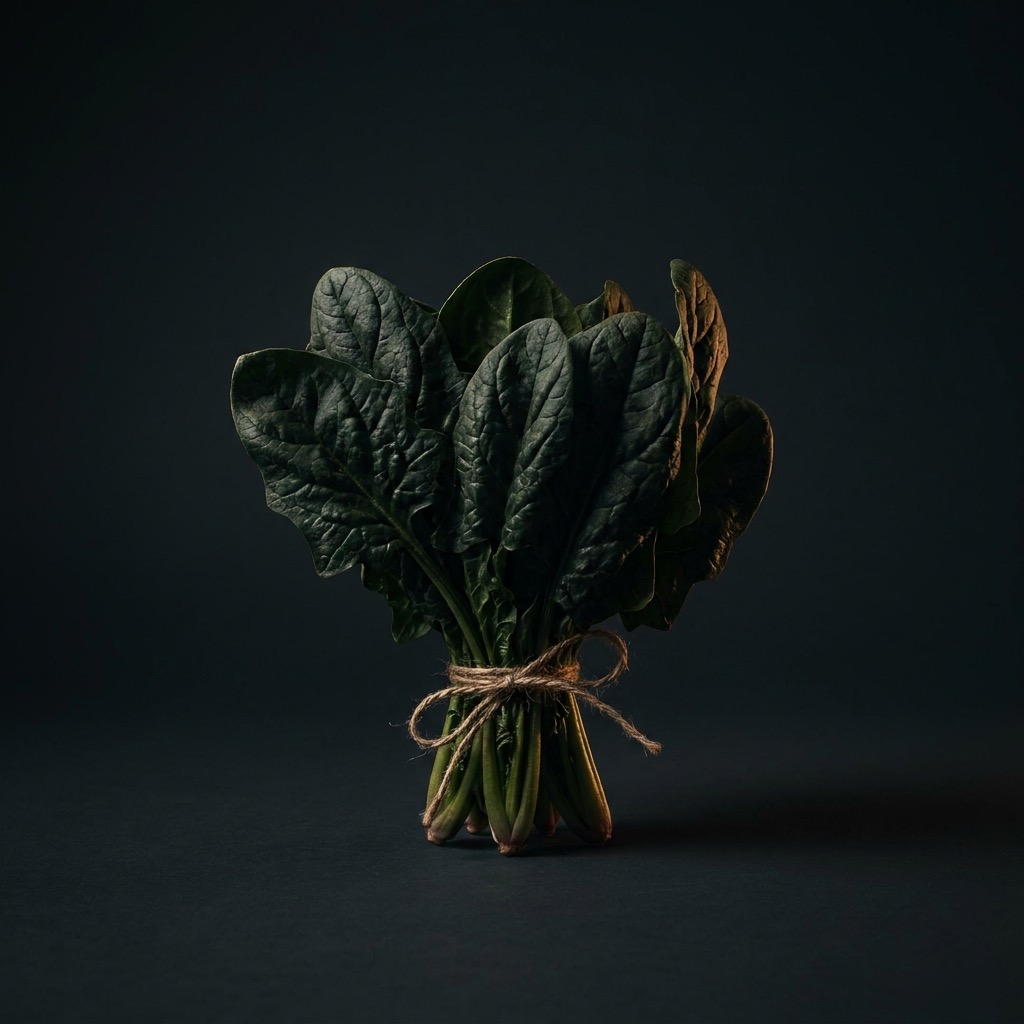
Glycine-Rich Foods (bone broth, collagen)
Glycine lowers core body temperature to speed sleep onset; Huberman lists it as an optional add to the sleep stack and Attia takes it nightly. Bone broth and collagen are the food delivery vehicle - the proven link runs through glycine, not the broth itself.
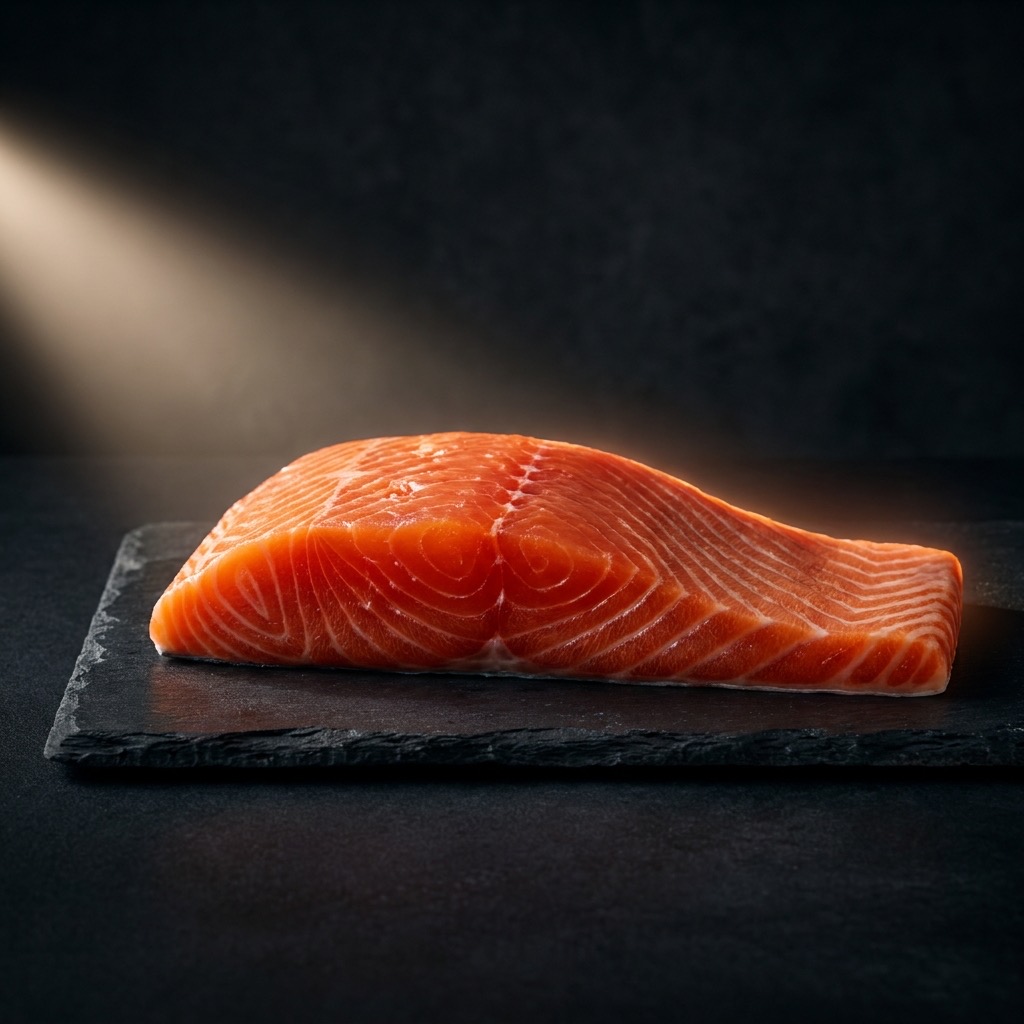
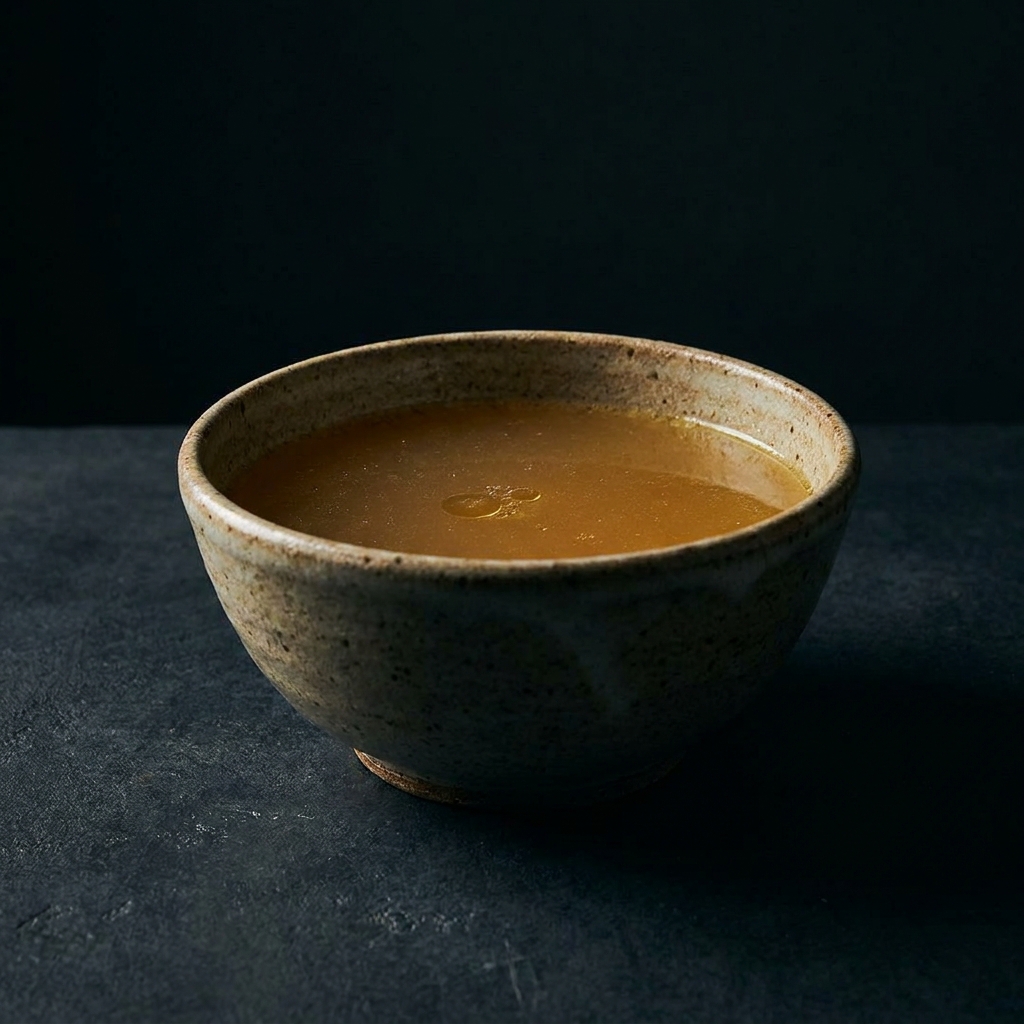
Fatty Fish (salmon, sardines)
Hyman repeatedly names omega-3 among the nutrients that support restorative sleep and glymphatic clearance; Patrick's channel cites objective sleep-metric improvements from omega-3. Real but thinner than the magnesium and glycine evidence.
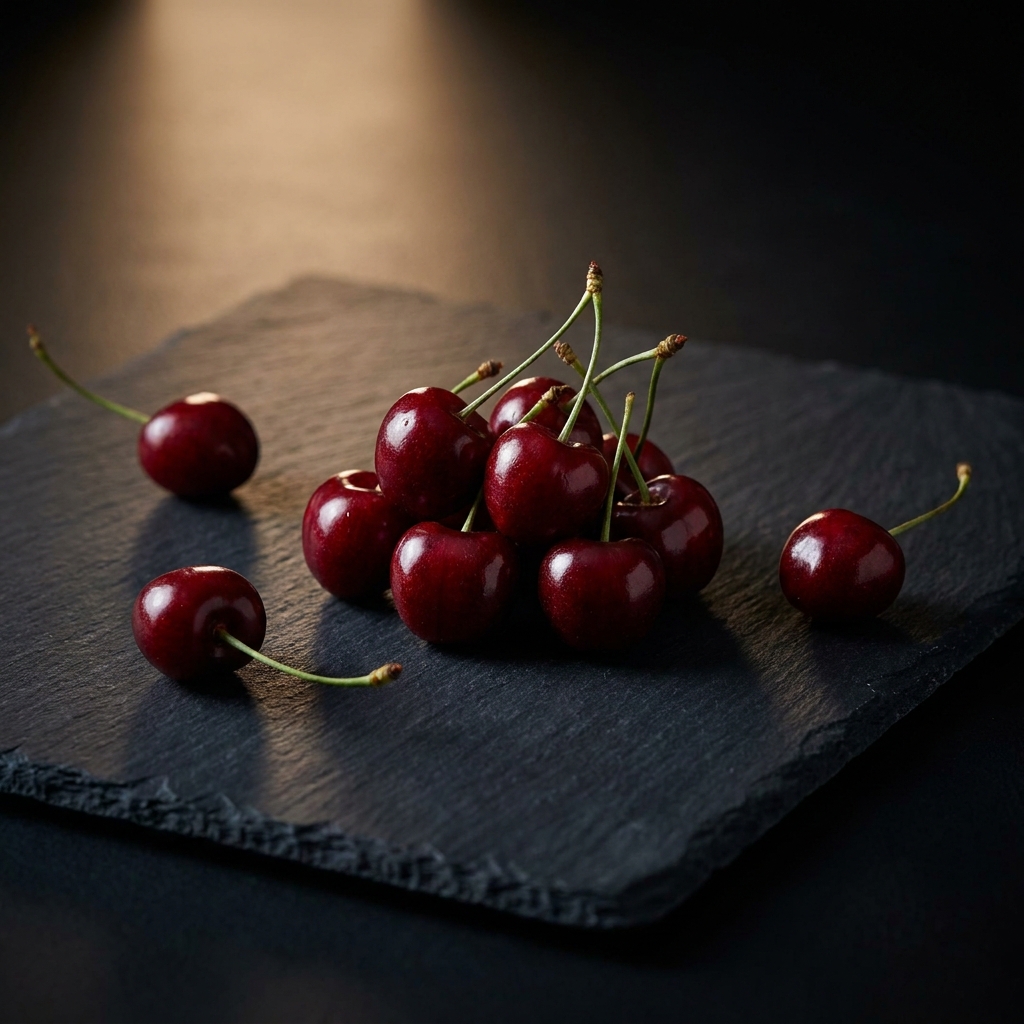
Tart Cherry
On Huberman's podcast, Matt Walker calls tart cherry juice promising but unproven - preliminary studies on sleep duration and daytime alertness that he suggests you test yourself rather than rely on. Honest tier - not a consensus recommendation.
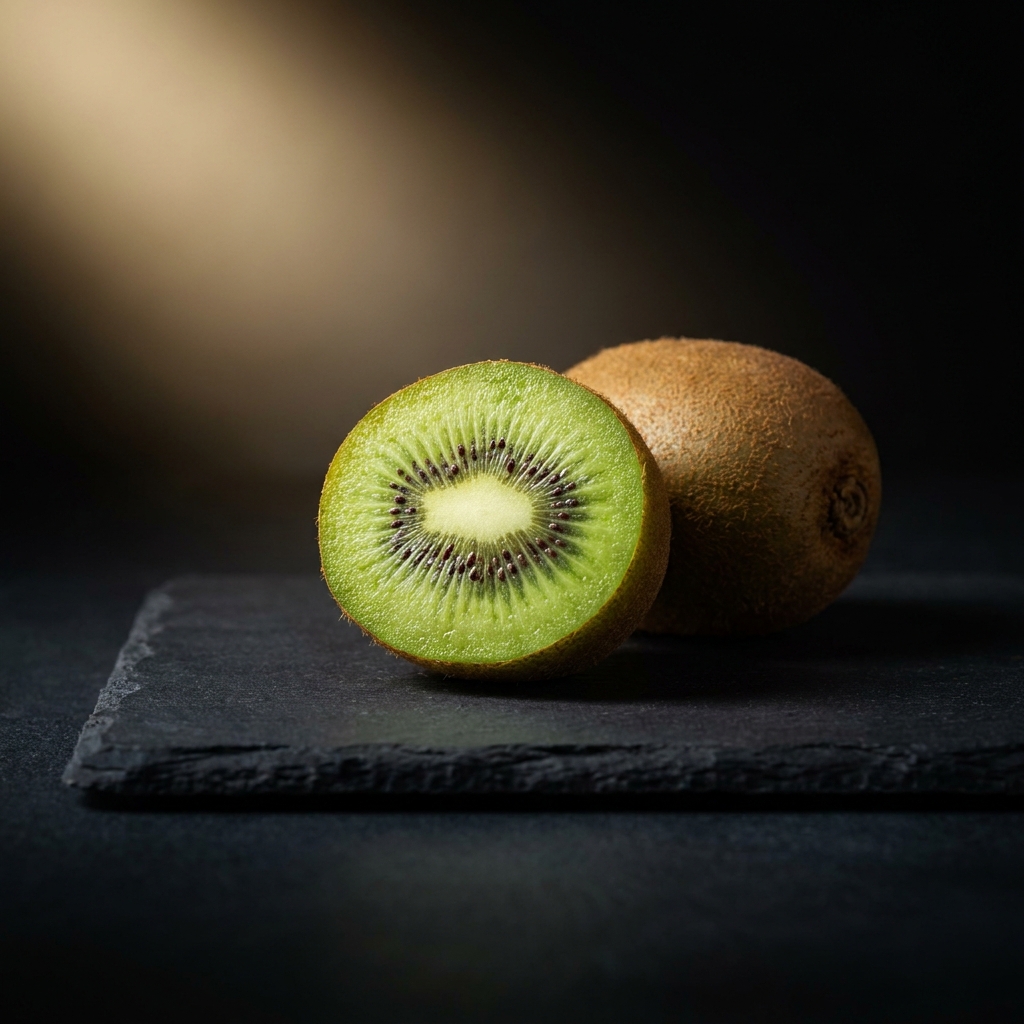
Kiwi
Walker notes kiwifruit may aid sleep onset and duration, possibly via the GABAergic system. He adds that eating the skin may help too. A single hedged mention - promising, not proven and not consensus.
Common Mistakes
Treating kiwi or tart cherry as a fix. In the corpus these sit in the "promising, test-it-yourself" tier - the experts say prioritize behavior and the magnesium/glycine basics first.
Using magnesium oxide for sleep. The forms tied to sleep are glycinate and threonate; your gut absorbs oxide poorly. (See "Magnesium glycinate vs threonate for sleep.")
Eating a large late high-fat meal to "get omega-3". Timing and sleep hygiene outweigh any single food, which is a supporting input and not a sedative.
Related Questions
Know the foods. Now get the protocol.
This page shows the foods researchers point to for sleep, with the source behind each one. Pro unlocks the supplement protocols that go with them - exact dosages, timing, forms - and lets you chat the full expert dataset with cited answers.
Cancel anytime