Foods · Expert Consensus (2026)
Best Foods for Menopause
Menopause itself - including whether to use hormone therapy - is a medical conversation for you and your doctor. But the food side has real expert backing for the muscle, bone, skin, and brain changes that come with the estrogen decline. These foods are ranked by how much the experts actually agree, not by marketing.
The short answer
The best-grounded menopause foods are lean protein (eggs, fish, poultry) to defend against accelerating muscle loss, fatty fish for omega-3, and collagen for the skin and joint changes as estrogen drops. Magnesium-rich greens and calcium-and-vitamin-D foods support bone. Food complements, but does not replace, the HRT conversation.
Top Foods for Menopause
Each score is the consensus of the nutrient the food delivers - a lower score usually means fewer of the 5 experts have covered it, not that they disagree. Foods without a dedicated report are marked Expert-cited.
Eggs & Lean Protein
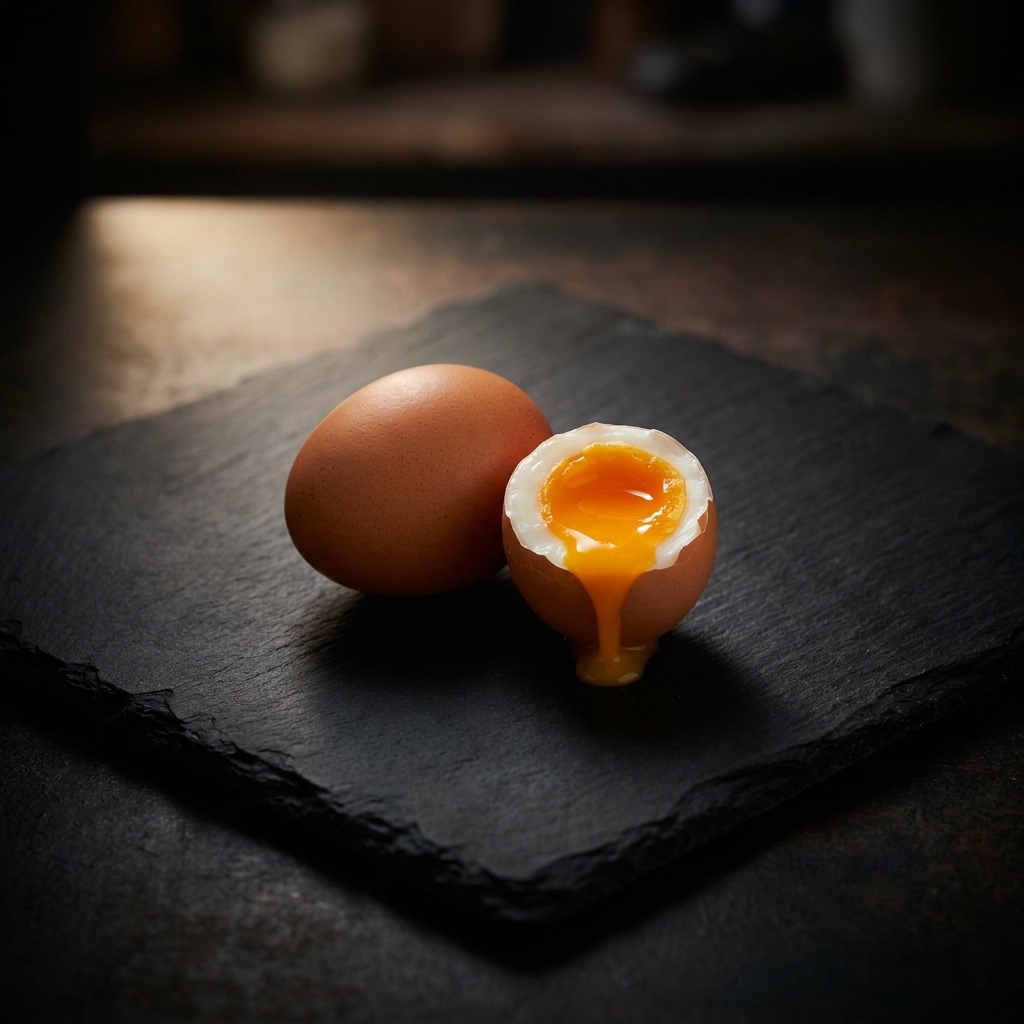
Protein is the number-one food lever through menopause. Haver tells Huberman women often get only 50 to 60 grams a day but probably need 80 to 120 to defend against the muscle loss that accelerates as estrogen falls. Eggs, fish, and poultry are complete-protein sources.
Fatty Fish (salmon, sardines)
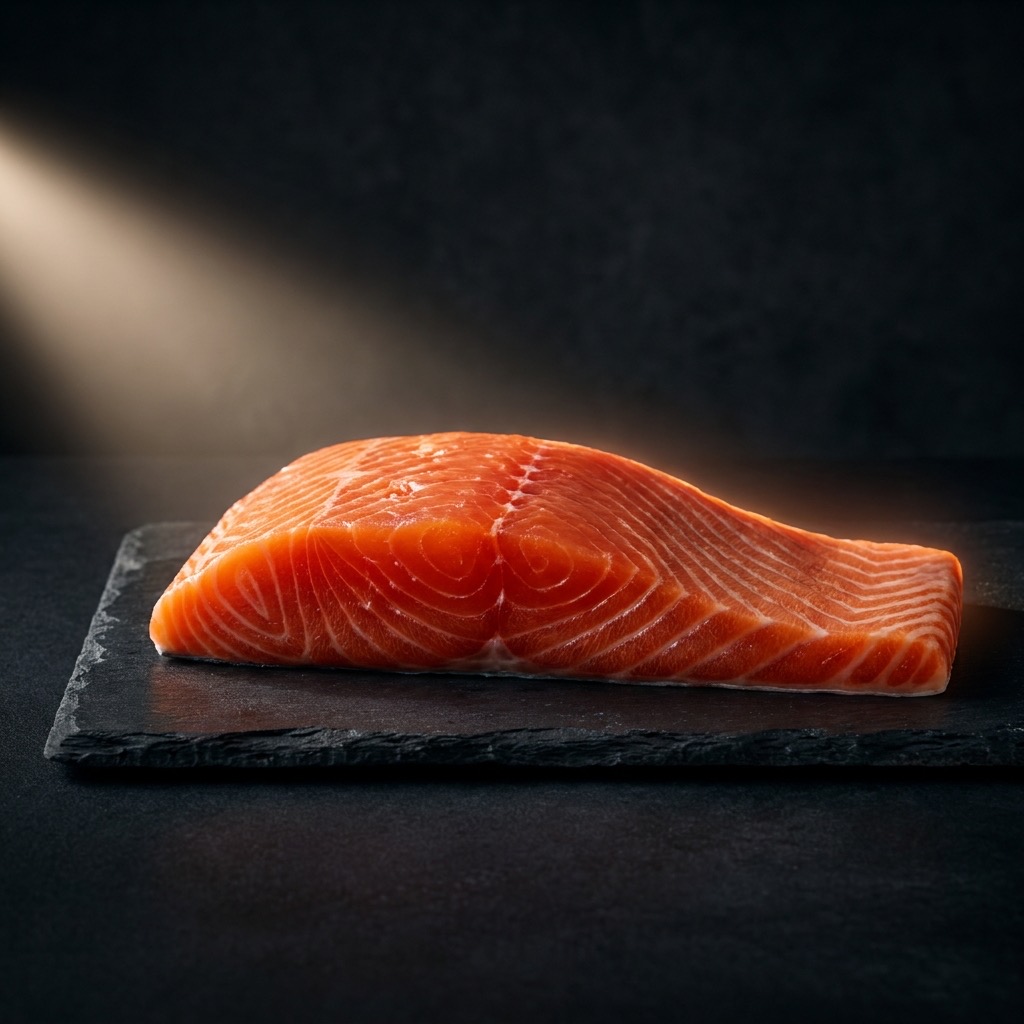
The panel's highest-consensus nutrient. Attia lists omega-3 among women's daily supplement staples, and DHA matters most in the estrogen-decline window for the brain and heart. Mostly general omega-3 coverage, but the consensus on the nutrient is unusually strong.
Bone Broth / Collagen
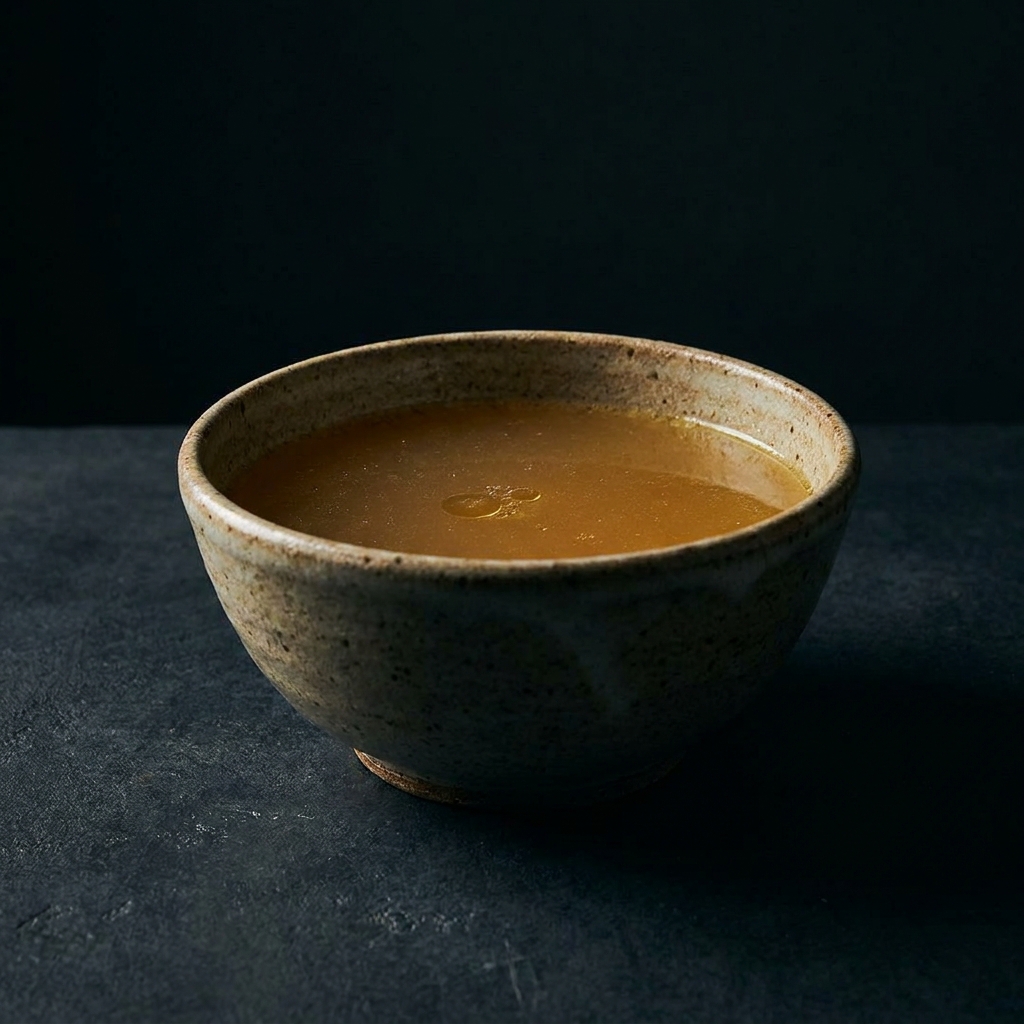
This is the most menopause-specific food in the set. Haver notes women lose about 30 percent of their collagen in the first five years of menopause as estrogen drops, hitting skin, joints, and bone, and cites a bioactive-collagen study showing improved bone density. Honest caveat - collagen is not a complete protein.

Leafy Greens, Pumpkin Seeds & Nuts
Patrick names leafy greens, nuts, seeds, and legumes as the top magnesium foods, notes around 45 percent of people fall short, and ties higher magnesium intake to lower dementia risk, particularly in women. Supports sleep and relaxation through the transition too.
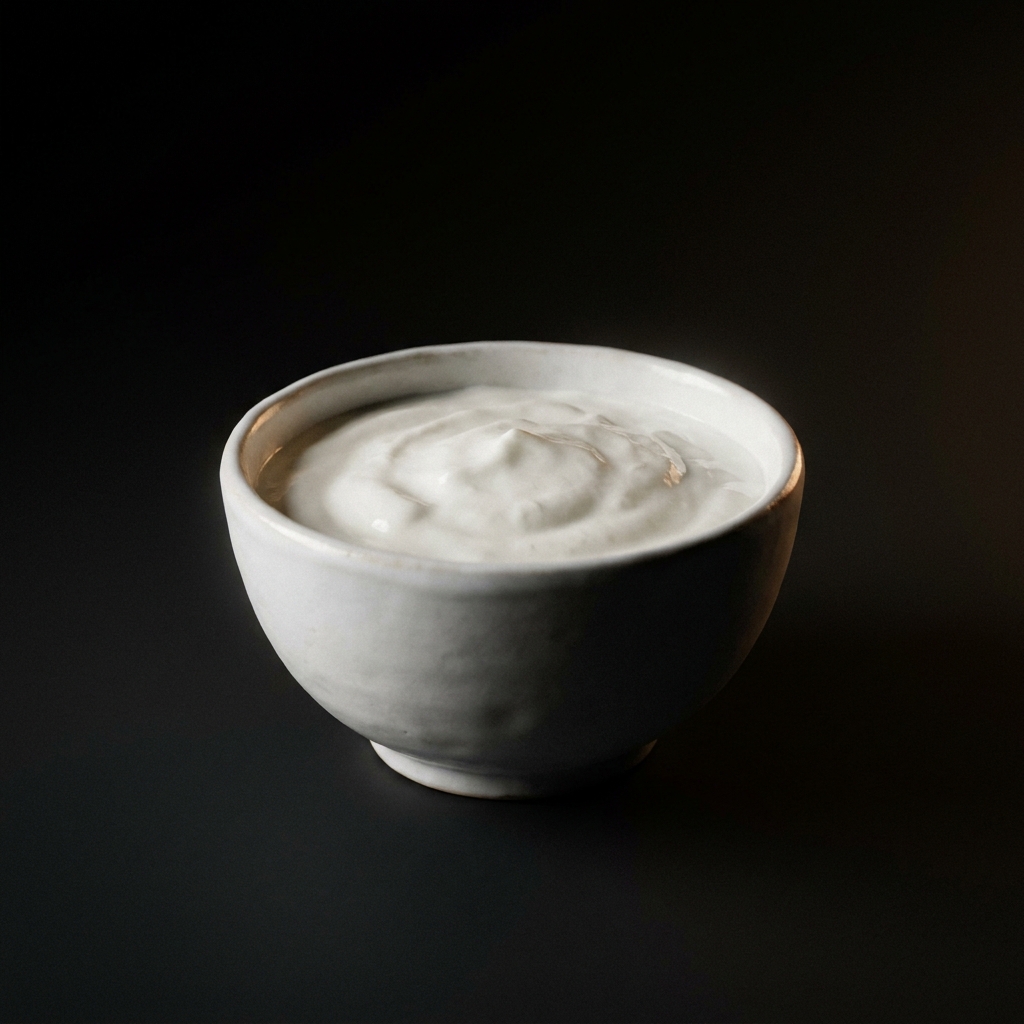
Dairy & Calcium-Rich Foods
Estrogen loss accelerates bone loss at menopause. Attia's big three for bone are calcium, vitamin D, and magnesium, with dairy the most bioavailable calcium; Haver lists vitamin D among the few menopause supplements with real evidence behind them.
Common Mistakes
Under-eating protein. Haver's own number is that women get 50 to 60 grams but need 80 to 120 - the muscle-loss driver most women miss as estrogen falls.
Treating collagen as complete protein. Haver is explicit that it is missing amino acids - better than none, but it cannot replace the dietary protein you build muscle from.
Mega-dosing calcium pills for bone. Hyman warns calcium is over-prescribed - prioritize dietary calcium, vitamin D, and load-bearing exercise over high-dose supplements.
Treating food as a substitute for the HRT conversation. Across Haver, Attia, and Hyman, diet complements - it does not replace - discussing hormone therapy with a clinician.
The medical side
HRT & Menopause: what the experts actually agree on
These foods address the adjacent muscle, bone, and skin changes - hormone therapy is the separate medical decision. See the cited, timestamped expert consensus on HRT.
Related Questions
Know the foods. Now get the protocol.
This page shows the foods researchers point to for menopause, with the source behind each one. Pro unlocks the supplement protocols that go with them - exact dosages, timing, forms - and lets you chat the full expert dataset with cited answers.
Cancel anytime