Consensus Report
Vitamin C
Moderate Consensus
out of 5
Based on 182 episodes (134 hours analyzed) across the experts · Updated 2026-03-23
On the record
Checked against the tape: 2026-03-23
- 182 · 134 h
- episodes · hours
- 5 / 5
- experts on tape
- 20
- timecoded clips
- 8
- voices on tape
Voices: Andrew Huberman, Peter Attia, Rhonda Patrick, Bryan Johnson, Mark Hyman · guests Steven Dell, Tanuj Nakra, Brett Kotlus
At a glance
Unlock with Pro ↓- Dose
- Form
- Timing
- Evidence
- Agreement
- 3 of 5 experts agree · 4 open disagreements
Expert Positions
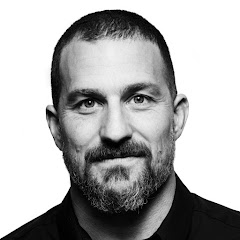
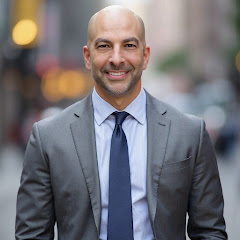



The Verdict
3 of 5 experts view vitamin C as broadly useful — Patrick has a dedicated deep-dive covering oral vs. IV forms, Hyman recommends it across dozens of videos for immune support, stress, and detox, and Johnson includes it in his daily protocol alongside iron. Huberman notes that high-dose vitamin C has shown limited effectiveness for colds. Attia is the most skeptical, arguing that mega-dosing offers no benefit beyond correcting deficiency and that oral absorption is severely limited.
Where They Disagree
Mega-dosing effectiveness: Patrick presents extensive evidence for vitamin C's broad benefits at moderate doses and acknowledges IV vitamin C's therapeutic potential for sepsis and cancer. Attia argues that Linus Pauling's high-dose advocacy was misguided and that oral supplementation is fundamentally limited by gut absorption — beyond correcting deficiency, more is not better.
Importance for colds and flu: Hyman strongly recommends vitamin C alongside zinc and vitamin D as a core flu-prevention stack. Huberman counters that high-dose vitamin C has shown limited effectiveness for colds, preferring zinc (90-100mg) and NAC as more evidence-based immune interventions.
+ 2 more disagreements in the full report
What the Tape Covers
20 clips across 18 videos
Where each expert stands on vitamin c, and the moment on the tape that shows it. Every timecode opens the source video at that second — check any of them yourself.
Huberman covers vitamin C in two main contexts: immune support and skin health. In his colds and flu episode, he notes that high-dose vitamin C has shown limited effectiveness compared to zinc and NAC, which he considers more promising immune supplements. In his skin health episode, he recommends supplementing with vitamin C alongside niacinamide and collagen-rich sources like bone broth as part of nutritional support for healthy, youthful-looking skin. His overall stance is that vitamin C has a role but is not a priority supplement.
2 more clips
Attia provides the most skeptical perspective on vitamin C supplementation. He directly addresses the history of Linus Pauling's mega-dosing advocacy, explaining that oral supplementation is fundamentally limited by gut absorption — only intravenous administration can achieve significantly higher plasma levels. He distinguishes sharply between correcting a deficiency (life-changing) and super-physiological dosing (no additional benefit), and warns about healthy user bias in nutritional studies. However, he does endorse topical vitamin C for skin health: his guests recommend it as a powerful antioxidant for collagen synthesis and melanin regulation, and it appears in the recommended minimalist skincare routine alongside sunscreen and retinoids.
…dosage yes yeah they're probably the one of the things so that I I've never calculated this maybe somebody has where they you read these articles about super foods all the foods that you must include in your diet every day I just got all those yeah evie the Stay Puft Marshmallow Man nice Ghostbusters reference right there scores points there that being said I do think that super foods are super if they're providing something that you are deficient in because then you'll feel like wow this is life-changing because I had some deficiency and now I've made it up right if you have zero vitamin C you're in a bad place if you have zero vitamin…
▶ 02:35 · Vitamin supplementation: Is it necessary if you eat a balanced diet? (AMA #6)
3 more clips
- 02:05 · Tips for preserving eye health | Peter Attia and Steven Dell (Guest: Steven Dell)
- 16:48 · Aging Prevention: How to Stay Ahead of Facial Aging | Tanuj Nakra, M.D. & Suzan Obagi, M.D. (Guest: Tanuj Nakra)
- 37:30 · #13 - Brett Kotlus, M.D.: How to look younger while we live longer (Guest: Brett Kotlus)
Patrick provides the most scientifically detailed analysis of vitamin C, with a dedicated 47-minute video exploring its multifaceted roles. She covers the critical difference between oral and intravenous bioavailability, explaining how IV administration achieves vastly higher plasma concentrations than any oral dose. She presents vitamin C as essential for immune cell function, a crucial cofactor for collagen synthesis and numerous enzymatic reactions, and an important antioxidant. She explores its therapeutic potential in sepsis, as adjunctive cancer therapy (where it blocks glucose uptake and generates hydrogen peroxide in tumor cells), and for viral infections. She also covers vitamin C's benefits for cardiovascular health (lowering blood pressure and CRP), male fertility, and notes safety concerns like kidney stones and hemolysis at very high doses. She highlights genetic factors that influence vitamin C transport and metabolism.
…involves neutrophil infiltration into an infected tissue where the cells engulf the pathogens and initiate their removal neutrophils generate large quantities of reactive oxygen species but the high levels of vitamin C present in immune cells protect them from reactive oxygen species induced DNA damage while also promoting neutrophil reactive oxygen species production vitamin C also appears to boost the immune system by promoting the proliferation of T cells and preventing T cell death T cells are lymphocytes they play a major role in driving immune response against pathogens such as bacteria or viruses lots of in vitro studies in mouse and human cell lines have shown that growing T cells in culture with vitamin C…
▶ 21:35 · Vitamin C: Oral vs. Intravenous, Immune Effects, Cancer, Exercise Adaptation & More
5 more clips
- 00:54 · Vitamin C: Oral vs. Intravenous, Immune Effects, Cancer, Exercise Adaptation & More
- 07:08 · Vitamin C: Oral vs. Intravenous, Immune Effects, Cancer, Exercise Adaptation & More
- 14:30 · COVID-19 Q&A #2 - Antibody-Dependent Enhancement, Cross-Immunity, Immunity Duration & More
- 19:19 · COVID-19 Q&A #1 with Rhonda Patrick, Ph.D.
- 03:26 · How Your Lifestyle Can Change Your Genetics (2010)
Johnson includes vitamin C in his comprehensive daily supplement protocol, specifically pairing it with heme iron to address borderline iron levels — a well-established interaction where vitamin C enhances non-heme iron absorption. His morning routine videos show vitamin C as a consistent part of his supplement stack alongside creatine, spermidine, and other longevity-focused compounds. His approach is systematic and data-driven: vitamin C is one component in a precisely measured protocol rather than a standalone recommendation.
…of my dietary protocol after this I'll flip on this UV light this is 10 000 Lux at 12 inches I turn this on and I usually just enjoy thinking about the day for a minute I just get a few minutes of exposure I wake up normally when it's dark outside and so I can't see the Sun and so in place of the sun I'll use this device it helps set circadian rhythm it improves sleep after the light exposure I'll take two pills it's some heme iron 10 milligrams of heme iron and 250 milligrams of Vitamin C I'm trying to get my iron levels up they're borderline they're…
▶ 01:05 · My Morning Routine (Live to 120+)
1 more clip
Hyman is by far the most prolific advocate for vitamin C supplementation, mentioning it across at least 36 videos in wide-ranging contexts. He recommends vitamin C alongside zinc for immune support and white blood cell production, pairs it with vitamin D and medicinal mushrooms as a flu-prevention stack, and includes it in protocols for adrenal support, histamine intolerance, sleep quality, skin health, metabolic function, and detoxification. He specifically recommends 500-1,000mg doses and has discussed IV vitamin C as an advanced therapy for chronic illness. He notes that vitamin C helps lower uric acid levels, supports the body during stress, aids in heavy metal detoxification (recommending 1,000mg alongside vitamin D3 for lead toxicity), and is essential for DAO enzyme function in histamine metabolism. He also emphasizes whole food sources like kiwis, peppers, and citrus fruits.
…things like high do vitamin C I recommend vitamin D we found that if you are low in vitamin D which by the way is about 70% of the population right low being not optimal which is like 45 or more that if you're low you you you're at higher risk for the flu and by getting the vitamin D up over 50 your risk your risk of flu goes down by 75% that's more than a flu shot I don't think I've ever gotten the flu because I take the supplements I take vitamins I take zinc I take vitamin C I take herbs I take Chinese mushrooms like Mitaki…
▶ 01:00 · Fight the Flu Naturally
5 more clips
- 06:00 · Beat Cold & Flu Season with My Favorite Immunity-Boosting Foods | Dr. Mark Hyman
- 03:30 · Are You Suffering From Adrenal Dysfunction?
- 25:30 · Doctor Reveals How To Turn Your Body's FAT STORAGE Switch Off | Dr. Richard Johnson (Guest: Richard Johnson)
- 03:30 · Why Lead Poisoning May be Causing Your Health Problems
- 13:48 · DO THIS Every Day To Improve Sleep, BOOST ENERGY & Destroy Fatigue! | Shawn Stevenson (Guest: Shawn Stevenson)
Quoted passages are the automatic transcript from the second the link opens, with mis-transcribed terms corrected and nothing else changed. A quote appears only where the expert recorded alone and the passage is about vitamin c — where someone else was in the room, you get the timecode without a quote, because the tape does not record who said which line.
About This Analysis
This consensus report on Vitamin C is based on 182 videos (134 hours analyzed) from five longevity experts: Andrew Huberman, Peter Attia, Rhonda Patrick, Bryan Johnson, and Mark Hyman. Each expert's position was independently analyzed from their published video content, including lectures, podcast episodes, and Q&A sessions with 640+ guests, 310+ of them scientists and physicians.
The full report includes 8 key findings, dosage and protocol details, expert deep dives with direct video citations and timestamps, risk considerations, and related supplement synergies.
Frequently Asked Questions
What do experts agree on about vitamin c?
3 of 5 experts view vitamin C as broadly useful — Patrick has a dedicated deep-dive covering oral vs. IV forms, Hyman recommends it across dozens of videos for immune support, stress, and detox, and Johnson includes it in his daily protocol alongside iron.
Where do the experts disagree on vitamin c?
Mega-dosing effectiveness: Patrick presents extensive evidence for vitamin C's broad benefits at moderate doses and acknowledges IV vitamin C's therapeutic potential for sepsis and cancer. Attia argues that Linus Pauling's high-dose advocacy was misguided and that oral supplementation is fundamentally limited by gut absorption — beyond correcting deficiency, more is not better. Importance for colds and flu: Hyman strongly recommends vitamin C alongside zinc and vitamin D as a core flu-prevention stack. Huberman counters that high-dose vitamin C has shown limited effectiveness for colds, preferring zinc (90-100mg) and NAC as more evidence-based immune interventions. Supplementation vs. food: Hyman frequently recommends vitamin C supplements (500-1,000mg) for various conditions. Attia emphasizes that a balanced diet makes most vitamin supplementation redundant and warns about healthy user bias — people who take supplements tend to have other healthy habits that confound the results.
How strong is the expert consensus on vitamin c?
The consensus on vitamin c scores 3.1/5 — a moderate level of agreement across Huberman, Attia, Patrick, Johnson, and Hyman, based on their public videos.
Related Reports
Unlock the Full Report
Get dosages, timing protocols, expert deep dives with video citations, and risks for Vitamin C.
Every recommendation traces back to a specific expert, video, and timestamp.
$9/month or $79/year · Cancel anytime