Consensus Report
Zinc
Strong Consensus
out of 5
Based on 22 episodes (38 hours analyzed) across the experts · Updated 2026-03-23
On the record
Checked against the tape: 2026-03-23
- 22 · 38 h
- episodes · hours
- 5 / 5
- experts on tape
- 19
- timecoded clips
- 8
- voices on tape
Voices: Andrew Huberman, Peter Attia, Rhonda Patrick, Bryan Johnson, Mark Hyman · guests Roger Seheult, Derek Mpmd, Jeff Cavaliere
At a glance
Unlock with Pro ↓- Dose
- Form
- Timing
- Evidence
- Agreement
- 4 of 5 experts agree · 4 open disagreements
Expert Positions



The Verdict
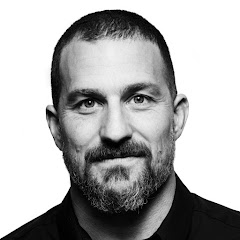
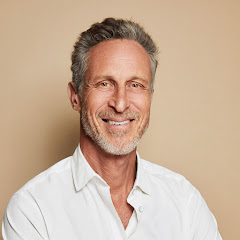
All 5 experts view zinc as an essential mineral, though their depth of coverage varies significantly. Hyman is the most prolific advocate, citing zinc across immune function, gut healing, brain health, skin health, fertility, and detoxification. Huberman recommends 90-100mg zinc for cold prevention and includes it in fertility protocols. Patrick highlights zinc's role in immune defense, cold duration reduction, and its interaction with quercetin as a zinc ionophore. Attia mentions zinc as a critical micronutrient for testosterone optimization. Johnson includes zinc indirectly through his nutrient-dense diet but does not feature it as a standalone supplement.
Where They Disagree
Huberman recommends a relatively high dose of 90-100mg zinc daily for cold prevention, while most clinical guidelines and other experts suggest 15-40mg for maintenance — the higher dose carries risks of copper depletion if used long-term.
Hyman emphasizes zinc supplementation as broadly necessary due to widespread deficiency, while Attia takes a more targeted approach, recommending zinc optimization specifically for testosterone support and only after confirming deficiency through testing.
+ 2 more disagreements in the full report
What the Tape Covers
19 clips across 18 videos
Where each expert stands on zinc, and the moment on the tape that shows it. Every timecode opens the source video at that second — check any of them yourself.
Huberman discusses zinc primarily in two contexts: immune defense and fertility. In his cold and flu episode, he recommends 90-100mg zinc daily taken with food to reduce cold duration and potentially prevent infections, pairing it with NAC as part of a supplement-based immune strategy. In his episode with Dr. Roger Seheult, zinc is listed alongside NAC as a supplement that supports the immune system during viral infections. For fertility, Huberman includes zinc in his recommended supplement stack for optimizing sperm quality alongside L-carnitine, CoQ10, and omega-3s.
4 more clips
Attia discusses zinc in the context of testosterone optimization and nutritional adequacy. In his episode with Derek from More Plates More Dates on low testosterone, he emphasizes that optimizing micronutrient levels — specifically zinc, magnesium, and vitamin D — is a critical first step before considering hormone replacement therapy. He notes that these minerals can significantly impact testosterone production. In his nutrition episodes, Attia highlights zinc's bioavailability in animal-based proteins as a key advantage over plant-based sources.
2 more clips
Patrick covers zinc across multiple episodes focused on immune function, nutrient interactions, and testosterone. She explains that zinc plays a direct role in preventing pneumonia and reducing cold duration, and that micronutrient deficiencies in zinc and other minerals can significantly impair immune function. She highlights the quercetin-zinc synergy, noting that quercetin functions as a zinc ionophore — facilitating zinc transport into cells where it can inhibit viral replication. She also warns that excessive supplemental zinc can inhibit magnesium absorption, demonstrating her emphasis on balanced mineral intake. In her testosterone episode with Derek MPMD, zinc is listed as a crucial micronutrient for hormone production.
4 more clips
- 14:30 · COVID-19 Q&A #2 - Antibody-Dependent Enhancement, Cross-Immunity, Immunity Duration & More
- 06:40 · COVID-19 Q&A #1 with Rhonda Patrick, Ph.D.
- 02:05 · The Science of Magnesium and Its Role in Aging and Disease
- 40:40 · How To Increase Your Testosterone Levels Naturally | Derek from MPMD (Guest: Derek Mpmd)
Johnson does not feature zinc as a standalone supplement topic. His approach to zinc is food-first — obtaining it through the nutrient-dense foods in his Blueprint diet, which includes mineral-rich whole foods. His content focuses on ensuring every calorie serves a functional purpose, and minerals like zinc are part of that broader nutritional framework rather than highlighted individually.
1 more clip
Hyman is the most prolific expert on zinc, mentioning it across dozens of videos spanning immune resilience, gut health, brain function, fertility, skin conditions, thyroid support, detoxification, and mental health. He identifies zinc as one of the most prevalent nutrient deficiencies, citing NHANES data showing approximately 40% of Americans are deficient. For immune health, he recommends zinc alongside vitamin D, quercetin, and NAC as foundational immune support supplements. For gut healing, he specifically recommends zinc carnosine as part of his 5R gut repair protocol (Remove, Replace, Reinoculate, Repair, Restore). He highlights zinc's role in male fertility and sperm DNA integrity, in thyroid function for Hashimoto's patients, in brain health and neurotransmitter production, and in skin health for conditions like acne and eczema. He notes that acid-blocking drugs deplete zinc, creating a vicious cycle of nutrient deficiency. He recommends zinc-rich foods like oysters, pumpkin seeds, and red meat as dietary sources.
…in your experience in italy are there other adjunctive therapies that are being used to support the immune system nutritionally or through supplements that are making a difference well supplements to me are an incredible tool and um i think that using um [Music] supplements is so important especially in the in the preliminary uh preventing approach which is um which is important and adding to zinc and vitamin d i believe very much in quercetin in in lactoferrin which is uh two two molecules that are very effective in in helping to prevent the infection from ozone from uh i'm sorry from the coving and um what i also use in my practice i don't…
▶ 00:00 · Supplements & COVID-19
7 more clips
- 01:42 · The Ultimate Supplement Guide to Slow Aging (And The 3 to Start With)
- 06:00 · STOP Taking These Drugs for Heartburn & Acid Reflux
- 00:00 · Eating For COVID-19 Resilience
- 03:01 · Why Are Fertility Rates Dropping So Fast? (Guest: Kelly LeVeque)
- 09:00 · The ROOT CAUSES Of Autoimmune Disease You NEED TO KNOW! (How To Prevent It) | Izabella Wentz (Guest: Izabella Wentz)
- 17:53 · THE ROOT CAUSES Of Acne & How To Prevent It | Mark Hyman
- 00:20 · The 5 Secrets To Looking Younger (Do This Today) | Mark Hyman
Quoted passages are the automatic transcript from the second the link opens, with mis-transcribed terms corrected and nothing else changed. A quote appears only where the expert recorded alone and the passage is about zinc — where someone else was in the room, you get the timecode without a quote, because the tape does not record who said which line.
About This Analysis
This consensus report on Zinc is based on 22 videos (38 hours analyzed) from five longevity experts: Andrew Huberman, Peter Attia, Rhonda Patrick, Bryan Johnson, and Mark Hyman. Each expert's position was independently analyzed from their published video content, including lectures, podcast episodes, and Q&A sessions with 640+ guests, 310+ of them scientists and physicians.
The full report includes 9 key findings, dosage and protocol details, expert deep dives with direct video citations and timestamps, risk considerations, and related supplement synergies.
Frequently Asked Questions
How much zinc should you take per day?
For general maintenance, the report points to 15-30mg of elemental zinc daily through diet and/or supplementation. For immune support during illness, Huberman recommends 90-100mg daily short-term, taken with food. Do not exceed 40mg/day long-term without medical supervision, since chronic high-dose zinc depletes copper and can cause copper deficiency anemia.
Does zinc reduce cold duration and boost immunity?
Yes. Huberman recommends 90-100mg zinc daily (taken with food) to reduce cold duration and potentially prevent respiratory infections. Patrick notes zinc deficiency impairs immune cell activity and that zinc helps prevent pneumonia and shorten colds. Quercetin acts as a zinc ionophore, transporting zinc into cells where it can inhibit viral replication.
Can you take zinc and magnesium together?
You can, but with care. Attia and Patrick both pair zinc with magnesium as essential minerals for testosterone production and overall health. However, Patrick warns that excessive supplemental zinc can inhibit magnesium absorption, so timing and dosing should be managed — take them at separate meals or ensure adequate magnesium intake when supplementing zinc.
Do you need copper with zinc?
Balance matters. Chronic high-dose zinc (above 40mg/day long-term) depletes copper and can cause copper deficiency anemia, neutropenia, and neurological issues. The report suggests balancing zinc with copper at roughly a 10:1 to 15:1 ratio, and keeping high-dose zinc (90-100mg for colds) short-term — limited to 1-2 weeks to avoid copper depletion.
Does zinc boost testosterone?
Attia calls zinc critical for testosterone production, recommending you optimize zinc alongside magnesium and vitamin D as the first step before considering hormone replacement therapy. Patrick also lists zinc as a crucial micronutrient for hormone production. Note: the evidence is well-established for correcting deficiency but weaker for benefits beyond that.
Common Questions
Related Reports
Unlock the Full Report
Get dosages, timing protocols, expert deep dives with video citations, and risks for Zinc.
Every recommendation traces back to a specific expert, video, and timestamp.
$9/month or $79/year · Cancel anytime