Consensus Report
CoQ10
Moderate Consensus
out of 5
Based on 26 episodes (42 hours analyzed) across the experts · Updated 2026-03-23
On the record
Checked against the tape: 2026-03-23
- 26 · 42 h
- episodes · hours
- 5 / 5
- experts on tape
- 18
- timecoded clips
- 8
- voices on tape
Voices: Andrew Huberman, Peter Attia, Rhonda Patrick, Bryan Johnson, Mark Hyman · guests Natalie Crawford, Oliver Zolman, Aseem Malhotra
At a glance
Unlock with Pro ↓- Dose
- Form
- Timing
- Evidence
- Agreement
- 3 of 5 experts agree · 4 open disagreements
Expert Positions

The Verdict
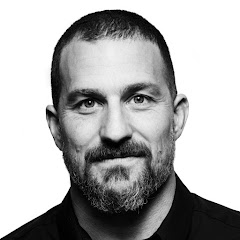
CoQ10 receives strong endorsement from Hyman, who has a dedicated deep dive and recommends it across 20+ videos as a cornerstone of mitochondrial support. Huberman mentions CoQ10 as a beneficial fertility supplement. Johnson includes CoQ10 in his Blueprint oral health protocol. Attia and Patrick do not specifically discuss CoQ10 supplementation in their analyzed content, though both emphasize mitochondrial health through other interventions.
Where They Disagree
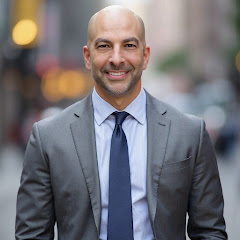
Hyman is a strong, dedicated advocate for CoQ10 supplementation across multiple health conditions, while Attia and Patrick focus their mitochondrial optimization recommendations on other interventions like exercise, NAD precursors, and urolithin A rather than CoQ10 specifically.
Huberman and Hyman both recommend CoQ10 for fertility, but Huberman discusses it as one of several supportive supplements rather than a primary recommendation, while Hyman positions it as a core mitochondrial support nutrient.
+ 2 more disagreements in the full report
What the Tape Covers
18 clips across 15 videos
Where each expert stands on coq10, and the moment on the tape that shows it. Every timecode opens the source video at that second — check any of them yourself.
Huberman mentions CoQ10 across 2 videos, both in the context of fertility optimization. In his dedicated fertility episode, he lists CoQ10 alongside L-carnitine, omega-3s, zinc, and tongkat ali as beneficial supplements for improving egg and sperm quality. In his episode with Dr. Natalie Crawford on female hormone health, CoQ10 is discussed as a key supplement for fertility alongside Vitamin D, omega-3s, and Myo-inositol for PCOS.
2 more clips
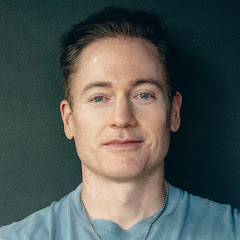
Johnson mentions CoQ10 in 1 video, where it is used as part of his Blueprint oral health protocol. His team reports success in reversing gum recession and improving oral health markers using specialized dental protocols that include CoQ10 alongside laser treatments. This is a unique application compared to other experts who focus on systemic mitochondrial benefits.
1 more clip
- 36:53 · My Anti-Aging Protocol Broke a World Record... (Guest: Oliver Zolman)
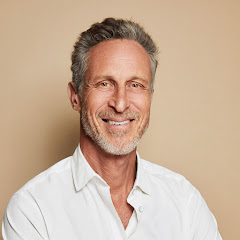
Hyman is the most prolific source on CoQ10, discussing it across 23 videos. He has a dedicated episode covering CoQ10's mechanism of action in ATP production, statin-induced depletion, clinical benefits for heart failure and migraines, metabolic health improvements, and neuroprotective properties. He consistently recommends 100-200mg of ubiquinol daily as part of his foundational mitochondrial support protocol. Across his content, Hyman positions CoQ10 alongside alpha-lipoic acid, acetyl-L-carnitine, NAC, and B vitamins as essential nutrients for mitochondrial health. He prescribes higher doses (200-400mg) for immune recovery and chronic fatigue. He also recommends CoQ10 for male fertility, blood pressure support, brain health, liver detoxification, and autism treatment protocols.
…okay so how do we get CoQ10 in our diet and what do we have to do well if you think you're low on CoQ10 um and you're you're maybe in your 30s or 40s or older you're probably right and you can get both CoQ10 rich foods and you can take a high quality supplement I personally do both um there are there are a number of foods that are really high in in uh and come through ten probably stuff people don't eat that much like organ Meats like liver kidney heart you can actually take organ meat supplements no there's actually a great company called uh mighty Meats which kind of grinds them…
▶ 08:32 · Add This SECRET ANTIOXIDANT To Your Diet For INSANE BENEFITS | Dr. Mark Hyman
14 more clips
- 00:00 · Add This SECRET ANTIOXIDANT To Your Diet For INSANE BENEFITS | Dr. Mark Hyman
- 02:47 · Add This SECRET ANTIOXIDANT To Your Diet For INSANE BENEFITS | Dr. Mark Hyman
- 06:44 · Add This SECRET ANTIOXIDANT To Your Diet For INSANE BENEFITS | Dr. Mark Hyman
- 52:32 · The 4 Easiest Ways to Fix Your Immune System
- 14:16 · Always Tired? Here's How to Tell If It's Chronic Fatigue | Dr. Mark Hyman
- 01:14 · Sugar, Statins and Heart Health (Guest: Aseem Malhotra)
- 08:35 · High Blood Pressure Is Caused By THIS, Not Salt
- 06:16 · DO THIS DAILY To Boost Brain Health & Prevent COGNITIVE DECLINE | Mark Hyman
- 02:06 · The UltraMind Solution: Key #6 Boost Energy Metabolism
- 16:50 · Doctors Ignore This Liver Problem and It's Hurting Your Health! (Guest: Dr. E)
- 01:05 · Longevity Scientist: Can This Supplement Really Reverse Aging? (Guest: Honorag Sing)
- 14:50 · Raise Healthy Children: The Key Things You Must Know Before Planning Pregnancy | Dr. Mark Hyman
- 06:46 · Returning To Ancient Remedies To Promote Health
- 08:20 · Diet & Lifestyle: 4 Things You Must Do For Overall Health & Longevity | Dr. Mark Hyman
Quoted passages are the automatic transcript from the second the link opens, with mis-transcribed terms corrected and nothing else changed. A quote appears only where the expert recorded alone and the passage is about coq10 — where someone else was in the room, you get the timecode without a quote, because the tape does not record who said which line.
About This Analysis
This consensus report on CoQ10 is based on 26 videos (42 hours analyzed) from five longevity experts: Andrew Huberman, Peter Attia, Rhonda Patrick, Bryan Johnson, and Mark Hyman. Each expert's position was independently analyzed from their published video content, including lectures, podcast episodes, and Q&A sessions with 640+ guests, 310+ of them scientists and physicians.
The full report includes 8 key findings, dosage and protocol details, expert deep dives with direct video citations and timestamps, risk considerations, and related supplement synergies.
Frequently Asked Questions
How much CoQ10 should you take per day?
100-200mg of ubiquinol daily supports general mitochondrial health and longevity, per Hyman. He recommends higher doses of 200-400mg daily for immune recovery, chronic fatigue, or post-viral support. CoQ10 is also recommended as part of fertility protocols for both men and women (Huberman, Hyman). Take with a fat-containing meal.
Ubiquinol vs ubiquinone — which form is better?
Ubiquinol, the reduced and active form of CoQ10, is preferred over ubiquinone due to superior bioavailability and absorption, according to Hyman. Choosing ubiquinone means you may not absorb a therapeutic dose. Hyman suggests medical-grade, third-party tested brands like Designs for Health or Pure Encapsulations, taken as softgels with a fat-containing meal.
Should you take CoQ10 with statins?
Yes — anyone on statin medications should strongly consider CoQ10, per Hyman. Statins block HMG-CoA reductase and the mevalonate pathway, inhibiting CoQ10 synthesis and often causing muscle pain and fatigue. Inform your prescribing physician, as it may warrant monitoring or dose adjustments. Statins also deplete B12 and magnesium.
When should you take CoQ10?
Take CoQ10 with a meal containing fat to maximize absorption, since it is fat-soluble. At higher dosages it can be split into two doses — morning and evening — to improve tolerability. No cycling is needed; CoQ10 is safe for continuous daily use, per the report's protocol.
Does CoQ10 help with fertility?
Both Huberman and Hyman recommend CoQ10 for male and female fertility. It supports egg quality in women and improves sperm quality, motility, and reduces oxidative stress in men. Huberman lists it alongside L-carnitine, omega-3s, and zinc for optimizing egg and sperm quality; Hyman positions it as a core mitochondrial support nutrient.
Common Questions
Related Reports
Unlock the Full Report
Get dosages, timing protocols, expert deep dives with video citations, and risks for CoQ10.
Every recommendation traces back to a specific expert, video, and timestamp.
$9/month or $79/year · Cancel anytime