Consensus Report
Rapamycin
Split Consensus
out of 5
Based on 28 episodes (38 hours analyzed) across the experts · Updated 2026-03-23
On the record
Checked against the tape: 2026-03-23
- 28 · 38 h
- episodes · hours
- 5 / 5
- experts on tape
- 16
- timecoded clips
- 8
- voices on tape
Voices: Andrew Huberman, Peter Attia, Rhonda Patrick, Bryan Johnson, Mark Hyman · guests David Fajgenbaum, Matt Kaeberlein, Brian Kennedy
At a glance
Unlock with Pro ↓- Dose
- Form
- Timing
- Evidence
- Agreement
- 1 of 5 experts agree · 5 open disagreements
Expert Positions
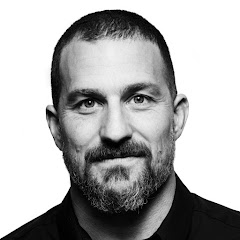
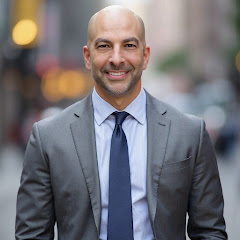

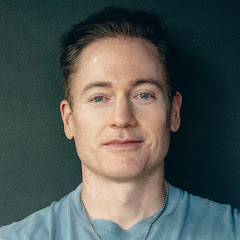
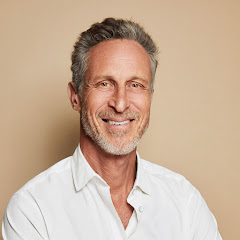
The Verdict
Rapamycin is the most polarizing longevity intervention among the 5 experts. Attia is the most bullish, cautiously prescribing it to patients and calling it a potential 'gold standard' geroprotective molecule. Johnson experimented with it extensively but discontinued after experiencing side effects and finding a pre-print suggesting it accelerated biological aging. Huberman explicitly avoids it, citing insufficient human data. Hyman mentions it favorably as a cutting-edge longevity therapy but provides no direct protocol. Patrick discusses the mTOR pathway extensively but does not cover rapamycin as a supplement.
Where They Disagree
Attia cautiously prescribes rapamycin to patients and calls it a potential 'gold standard' geroprotective molecule, while Huberman explicitly avoids it and cites insufficient human evidence for longevity.
Johnson experimented with rapamycin extensively and concluded it accelerated his aging, while Attia continues to view it as one of the most promising longevity interventions when dosed correctly.
+ 3 more disagreements in the full report
What the Tape Covers
16 clips across 13 videos
Where each expert stands on rapamycin, and the moment on the tape that shows it. Every timecode opens the source video at that second — check any of them yourself.
Huberman discusses rapamycin across 2 videos with a clear personal stance: he avoids it. In his dedicated longevity supplements AMA, he explicitly states he avoids metformin, berberine, and rapamycin, citing lack of sufficient human data for longevity and the presence of significant side effects. In his interview with Dr. David Fajgenbaum, rapamycin appears in the context of drug repurposing — Fajgenbaum discovered that sirolimus (rapamycin) could treat his terminal Castleman disease, which was originally approved for organ transplant rejection. This episode frames rapamycin as a powerful drug with multiple pathways but does not endorse it for longevity.
I'll just be very direct and say I do not take metformin. And I also don't take what some people call the poor man's version of metformin, which is berberine. Berberine gives me brutal headaches. Berberine lowers blood glucose. That's why I think it's giving me brutal headaches. A lot of people have explored or are thinking about exploring taking metformin or berberine for sake of lowering blood glucose and lowering a particular cellular, let's just say, pathway or a set of molecules, mTOR being the most common of them. mTOR, mammalian Target of Rapamycin, is abundant in developing cells. It's responsible for the growth of individual cells.
▶ 18:56 · AMA #12: Thoughts on Longevity Supplements (Resveratrol, NR, NMN, Etc.) & How to Improve Memory
1 more clip
- 04:00 · How A Doctor Cured His Own Terminal Disease | Dr. David Fajgenbaum (Guest: David Fajgenbaum)
Attia provides the most extensive rapamycin coverage of any expert, discussing it across approximately 15 videos. He considers rapamycin a potential 'gold standard' for small molecule interventions impacting aging, noting it can impact multiple hallmarks of aging simultaneously. In a dedicated episode with Matt Kaeberlein, he explores rapamycin dosing challenges, the Dog Aging Project results showing improved cardiac function in dogs, and the importance of intermittent low-dose protocols to target mTORC1 while minimizing mTORC2 side effects. He uses rapamycin cautiously in clinical practice but acknowledges the lack of clear biomarkers to guide dosing. In his episode on longevity science with Brian Kennedy, he discusses rapamycin alongside SGLT2 inhibitors and GLP-1 agonists as potential geroprotective drugs, predicting comparable effects in healthy individuals. He also explores rapamycin's potential to extend female fertility by slowing egg aging.
6 more clips
- 15:52 · Matt Kaeberlein, Ph.D.: rapamycin and dogs — living longer, healthier & turning back the clock (Guest: Matt Kaeberlein)
- 28:13 · Matt Kaeberlein, Ph.D.: rapamycin and dogs — living longer, healthier & turning back the clock (Guest: Matt Kaeberlein)
- 21:40 · A new era of longevity science: models of aging, rapamycin trials, biological clocks, & more (Guest: Brian Kennedy)
- 20:56 · Looking back on the first 99 episodes: Strong Convictions, Loosely Held
- 01:51 · Longevity Science vs. Hype | Brian Kennedy, Ph.D. (Guest: Brian Kennedy)
- 00:34 · Peter's takeaways: HRT, skincare, aging, fertility, and life lessons
Rhonda Patrick discusses the mTOR pathway extensively across 4 videos but does not directly cover rapamycin as a longevity supplement. Her mTOR content focuses on dietary modulation — how amino acids (particularly leucine) activate mTOR for muscle protein synthesis, how fasting and nutrient deprivation inhibit mTOR to induce autophagy, and how the balance between mTOR activation and inhibition affects aging and cancer risk. In her interview with Peter Attia, she explores mTOR and IGF-1 pathways in depth, including the two complexes (mTORC1 and mTORC2) and how dietary intake modulates them. Her autophagy episode with Dr. Guido Kroemer covers mTOR inhibition as a trigger for autophagy. However, she does not recommend or discuss rapamycin as a pharmacological intervention.
2 more clips
Bryan Johnson provides the most dramatic rapamycin coverage among the 5 experts — a detailed personal account of experimentation and failure. Across 2 dedicated videos and a guest appearance on Hyman's show, Johnson describes his multi-year experiment with rapamycin as part of his Blueprint protocol. He tried various dosing protocols to balance mTORC1 inhibition benefits against mTORC2 side effects but experienced mouth sores, slow wound healing, cholesterol issues, and an increased resting heart rate while noticing no measurable longevity benefits. Upon discontinuing, all side effects resolved. A concurrent pre-print study suggesting rapamycin accelerated biological aging in humans corroborated his experience. In his skincare routine video, he also mentions using topical rapamycin for potential anti-aging skin effects.
…rapamy with other drugs such as a carbos, they showed even further longevity benefits. In females, it was 28%, in males, it was 34%. The findings were replicated in other animals which gave researchers hope for the final test which was in humans. Now in dosing humans with rapamycin researchers were cautious because of the significant side effects they'd seen in organ transplant patients. These include metabolic disruptions like high cholesterol tissue swelling soft tissue infections impaired wound healing. But more recent studies showed that intermittent dosing or lower doses reduce these side effects. Now, if they could mitigate the side effects, the positives were just too great to ignore.
▶ 01:40 · I Made Myself Older By Mistake
3 more clips
Hyman discusses rapamycin and the mTOR pathway across multiple videos, but his coverage is primarily educational rather than prescriptive. He frames mTOR as one of four key 'longevity switches' (alongside insulin signaling, AMPK, and sirtuins) and explains how excessive mTOR activation from sugar and processed foods hinders autophagy. In his longevity therapies discussions, he mentions rapamycin alongside peptides, therapeutic plasma exchange, and stem cell therapies as cutting-edge interventions, and notes it in the context of Bryan Johnson's protocol. In his interview with Peter Attia on his show, rapamycin is discussed as a naturally occurring longevity compound. However, Hyman does not provide a personal rapamycin protocol or specific dosing recommendations — his approach to mTOR inhibition emphasizes dietary strategies like fasting and time-restricted eating over pharmacological intervention.
2 more clips
Quoted passages are the automatic transcript from the second the link opens, with mis-transcribed terms corrected and nothing else changed. A quote appears only where the expert recorded alone and the passage is about rapamycin — where someone else was in the room, you get the timecode without a quote, because the tape does not record who said which line.
About This Analysis
This consensus report on Rapamycin is based on 28 videos (38 hours analyzed) from five longevity experts: Andrew Huberman, Peter Attia, Rhonda Patrick, Bryan Johnson, and Mark Hyman. Each expert's position was independently analyzed from their published video content, including lectures, podcast episodes, and Q&A sessions with 640+ guests, 310+ of them scientists and physicians.
The full report includes 8 key findings, dosage and protocol details, expert deep dives with direct video citations and timestamps, risk considerations, and related supplement synergies.
Frequently Asked Questions
What do experts agree on about rapamycin?
Rapamycin is the most polarizing longevity intervention among the 5 experts. Attia is the most bullish, cautiously prescribing it to patients and calling it a potential 'gold standard' geroprotective molecule.
Where do the experts disagree on rapamycin?
Attia cautiously prescribes rapamycin to patients and calls it a potential 'gold standard' geroprotective molecule, while Huberman explicitly avoids it and cites insufficient human evidence for longevity. Johnson experimented with rapamycin extensively and concluded it accelerated his aging, while Attia continues to view it as one of the most promising longevity interventions when dosed correctly. Attia focuses on the potential of low-dose intermittent rapamycin to selectively inhibit mTORC1, while Johnson's experience suggests that in practice, separating mTORC1 and mTORC2 effects is extremely difficult.
How strong is the expert consensus on rapamycin?
The consensus on rapamycin scores 1.8/5 — a split level of agreement across Huberman, Attia, Patrick, Johnson, and Hyman, based on their public videos.
Related Reports
Unlock the Full Report
Get dosages, timing protocols, expert deep dives with video citations, and risks for Rapamycin.
Every recommendation traces back to a specific expert, video, and timestamp.
$9/month or $79/year · Cancel anytime