Consensus Report
Glutathione
Moderate Consensus
out of 5
Based on 33 episodes (55 hours analyzed) across the experts · Updated 2026-03-23
On the record
Checked against the tape: 2026-03-23
- 33 · 55 h
- episodes · hours
- 5 / 5
- experts on tape
- 14
- timecoded clips
- 6
- voices on tape
Voices: Andrew Huberman, Peter Attia, Rhonda Patrick, Bryan Johnson, Mark Hyman · guests Andrew Salzman
At a glance
Unlock with Pro ↓- Dose
- Form
- Timing
- Evidence
- Agreement
- 2 of 5 experts agree · 3 open disagreements
Expert Positions
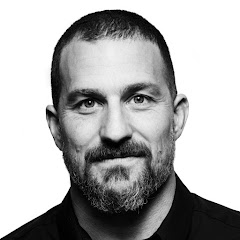
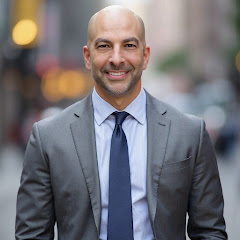


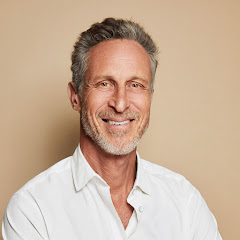
The Verdict
2 of 5 experts actively discuss glutathione supplementation or boosting strategies. Hyman is the dominant voice by far, dedicating significant portions of 29 videos to glutathione as 'the body's most important molecule' for detoxification, immune function, and chronic disease prevention. Johnson references glutathione in the context of biomarker tracking and air pollution defense. Huberman and Patrick mention glutathione only indirectly — through the NRF2 pathway and brain metabolism respectively — without recommending direct supplementation. Attia has no glutathione coverage in analyzed videos.
Where They Disagree
There is no direct disagreement among the experts — the divide is between active advocacy (Hyman, Johnson) and no coverage or indirect mention (Attia, Huberman, Patrick).
Hyman treats glutathione as a foundational molecule requiring active supplementation and dietary strategy, while Huberman and Patrick only reference it as a downstream product of NRF2 activation or exercise metabolism — they do not recommend supplementing glutathione directly.
+ 1 more disagreement in the full report
What the Tape Covers
14 clips across 14 videos
Where each expert stands on glutathione, and the moment on the tape that shows it. Every timecode opens the source video at that second — check any of them yourself.
On the Huberman Lab channel, glutathione is mentioned indirectly in a single episode featuring Dr. Rhonda Patrick. The discussion focuses on sulforaphane from broccoli sprouts activating the NRF2 pathway, which is crucial for detoxification and glutathione production. This is framed within a broader conversation about plant compounds, micronutrients, and stress response pathways — not as a direct recommendation for glutathione supplementation.
1 more clip
- 01:45 · Essentials: Micronutrients for Health & Longevity | Dr. Rhonda Patrick (Guest: Rhonda Patrick)
Rhonda Patrick mentions glutathione indirectly in her vigorous exercise episode, where she explains that lactate produced during intense exercise crosses the blood-brain barrier and serves as an energy source for neurons, sparing glucose for antioxidant production — specifically glutathione. This is a mechanistic explanation of exercise benefits, not a glutathione supplementation recommendation.
1 more clip
Bryan Johnson discusses glutathione in the context of biomarker optimization and environmental defense. His glutathione levels dropped measurably when he cycled off NAC and hyperbaric oxygen therapy, providing a direct data point linking these interventions to glutathione status. He also recommends N-acetylcysteine and glutathione supplementation specifically for combating air pollution exposure and oxidative stress.
2 more clips
Hyman is the dominant voice on glutathione across all five experts, discussing it in at least 29 videos. He calls glutathione 'the body's most important molecule' and 'the master antioxidant,' positioning it as essential for detoxification, immune function, and chronic disease prevention. His use cases span liver health and fatty liver reversal, heavy metal detoxification (mercury and lead protocols), immune resilience and COVID-19 defense, brain health and dementia reversal, cancer prevention through GSTM1 gene support, mitochondrial function, and athletic performance optimization. He recommends a comprehensive approach: sulfur-rich foods (garlic, onions, cruciferous vegetables), bioactive whey protein, exercise, and targeted supplementation with NAC, alpha-lipoic acid, methylated B vitamins, selenium, and milk thistle. He also uses liposomal, nebulized, and IV glutathione in clinical practice.
…covid19 really and then so you want to think about what can i do to boost my glutathione in my body yeah and you know we know that food has a tremendous impact here we know that a lot of our vegetables naturally have glutathione in them we know that we a lot of our vegetables like the cruciferous vegetables the broccoli cauliflower cabbage kale help the body with production of glutathione and we know green tea as you mentioned and green tea helps with production of glutathione we know that the garlic and onions and shallots help with production of glutathione so you know our our diet has a…
▶ 02:00 · Eating For COVID-19 Resilience
9 more clips
- 06:00 · How to Boost The #1 Molecule for Anti-Aging & Detox
- 09:21 · EAT THESE FOODS To Live Longer, Prevent CHRONIC DISEASE & Boost Glutathione | Dr. Mark Hyman
- 16:00 · Post-COVID Syndrome: A Functional Medicine Approach
- 01:31 · How to Reverse Dementia and Alzheimer's
- 05:01 · House Call: Do You Have a Fatty Liver?
- 05:15 · How Metal Toxicity Affects Health And Aging
- 00:10 · The Best Detoxifying Foods
- 06:16 · DO THIS DAILY To Boost Brain Health & Prevent COGNITIVE DECLINE | Mark Hyman
- 07:13 · How To BOOST Energy, Reduce Inflammation, And Live Longer! | Dr. Andrew Salzman (Guest: Andrew Salzman)
Quoted passages are the automatic transcript from the second the link opens, with mis-transcribed terms corrected and nothing else changed. A quote appears only where the expert recorded alone and the passage is about glutathione — where someone else was in the room, you get the timecode without a quote, because the tape does not record who said which line.
About This Analysis
This consensus report on Glutathione is based on 33 videos (55 hours analyzed) from five longevity experts: Andrew Huberman, Peter Attia, Rhonda Patrick, Bryan Johnson, and Mark Hyman. Each expert's position was independently analyzed from their published video content, including lectures, podcast episodes, and Q&A sessions with 640+ guests, 310+ of them scientists and physicians.
The full report includes 8 key findings, dosage and protocol details, expert deep dives with direct video citations and timestamps, risk considerations, and related supplement synergies.
Frequently Asked Questions
How much glutathione should you take per day?
For direct supplementation, the report cites 250-500mg liposomal glutathione daily, taken on an empty stomach for best absorption. To boost the body's own production instead, experts favor 600-1,800mg NAC daily, plus 300-600mg alpha-lipoic acid, methylated B vitamins, 200mcg selenium, and milk thistle. Hyman also uses IV glutathione in clinical settings.
Does NAC boost glutathione?
Yes. NAC provides cysteine, the rate-limiting amino acid the body needs to produce glutathione (alongside glycine and glutamate), so both Hyman and Johnson emphasize it as the most practical way to raise levels. Johnson's own glutathione levels dropped measurably when he cycled off NAC and hyperbaric oxygen therapy.
Is oral glutathione absorbed, and is liposomal better than regular pills?
Direct oral glutathione has historically had poor bioavailability — standard capsules may be largely broken down in the gut before absorption. Liposomal forms significantly improve this, which is why the report recommends liposomal glutathione on an empty stomach for oral use, though it costs more. This is partly why most experts favor boosting production via NAC instead.
What does glutathione do in the body?
Hyman calls glutathione the body's master antioxidant, detoxifier, and immune regulator — essential for preventing chronic diseases including cancer, Alzheimer's, and heart disease. It enhances natural killer cell activity and keeps the immune system from overreacting to infections. The body makes it from three amino acids: cysteine, glycine, and glutamate, and levels naturally decline with aging.
How can you boost glutathione naturally?
Hyman's primary dietary strategies are sulfur-rich foods (garlic, onions, cruciferous vegetables) and bioactive whey protein, plus regular exercise. Sulforaphane from broccoli sprouts activates the NRF2 pathway, which upregulates glutathione production. Patrick notes that intense exercise produces lactate that spares glucose for glutathione production in neurons.
Common Questions
Related Reports
Unlock the Full Report
Get dosages, timing protocols, expert deep dives with video citations, and risks for Glutathione.
Every recommendation traces back to a specific expert, video, and timestamp.
$9/month or $79/year · Cancel anytime