Consensus Report
Fasting
Strong Consensus
out of 5
Based on 24 episodes (38 hours analyzed) across the experts · Updated 2026-03-19
On the record
Checked against the tape: 2026-03-19
- 24 · 38 h
- episodes · hours
- 5 / 5
- experts on tape
- 23
- timecoded clips
- 8
- voices on tape
Voices: Andrew Huberman, Peter Attia, Rhonda Patrick, Bryan Johnson, Mark Hyman · guests Satchin Panda, Stacy Sims, Valter Longo
At a glance
Unlock with Pro ↓- Dose
- Form
- Timing
- Evidence
- Agreement
- 4 of 5 experts agree · 5 open disagreements
Expert Positions
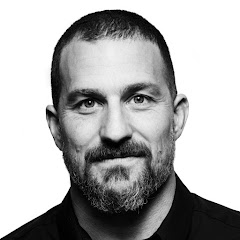
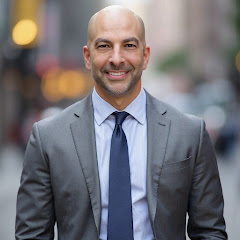

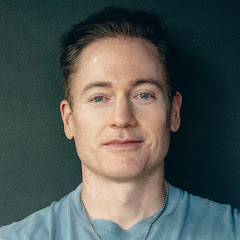
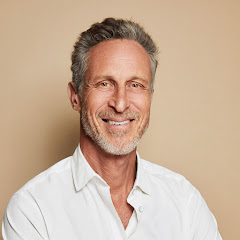
The Verdict
All 5 experts endorse some form of fasting, but they differ substantially on protocol and emphasis. Huberman and Patrick are the strongest advocates, with dedicated episodes covering time-restricted feeding and its circadian, metabolic, and autophagy benefits. Johnson practices a strict 20-hour fast daily. Hyman practices a 14-hour overnight fast and frames fasting as a hormetic stress. Attia is the most cautious — he experimented extensively with prolonged fasting but moved away from it due to muscle loss concerns and a lack of objective biomarkers proving benefit.
Where They Disagree
Attia argues that time-restricted feeding benefits are primarily due to caloric restriction, not the fasting window itself — while Huberman and Patrick emphasize the independent circadian and autophagy benefits of meal timing.
Attia moved away from prolonged fasting protocols due to concerns about muscle mass loss and lack of objective biomarkers — while Patrick and Longo advocate for periodic prolonged fasting or fasting-mimicking diets for stem cell activation and immune rejuvenation.
+ 3 more disagreements in the full report
What the Tape Covers
23 clips across 20 videos
Where each expert stands on fasting, and the moment on the tape that shows it. Every timecode opens the source video at that second — check any of them yourself.
Huberman has two dedicated fasting episodes plus a guest interview with Dr. Satchin Panda. He provides the most actionable protocol: an 8-hour feeding window, no food for 1 hour after waking or 2-3 hours before bed, with consistent timing. He explains how eating raises blood glucose and insulin while fasting activates different hormonal pathways, and references Panda's 2012 mouse study showing time-restricted feeding prevents metabolic disease even on a high-fat diet. He also discusses how intermittent fasting improves liver enzymes and insulin sensitivity, and cautions about the sex-specific risks for active women via Dr. Stacy Sims.
…one type of diet, say low carbohydrate, higher fats, versus a higher carbohydrate, lower fat diet. And indeed there are. This study was focused specifically on fat loss and on weight loss. So as we discuss time restricted feeding, we need to be very precise about what are the effects of time restricted feeding, and of eating in particular ways at particular times, we are going to emphasize again, whether or not the study was done in mice or in humans, in athletes, in men, in women, or both, but the study from Gardner and colleagues is a beautiful study, and really emphasizes that if one's main goal is simply to lose weight,…
▶ 15:45 · Effects of Fasting & Time Restricted Eating on Fat Loss & Health | Huberman Lab Podcast #41
4 more clips
- 26:25 · Effects of Fasting & Time Restricted Eating on Fat Loss & Health | Huberman Lab Podcast #41
- 03:11 · Effects of Fasting & Time Restricted Eating on Fat Loss & Health | Huberman Lab Essentials
- 34:05 · Intermittent Fasting to Improve Health, Cognition & Longevity | Dr. Satchin Panda (Guest: Satchin Panda)
- 07:43 · Female-Specific Exercise & Nutrition for Health, Performance & Longevity | Dr. Stacy Sims (Guest: Stacy Sims)
Attia has the most personal experimentation with fasting among the five experts. He practiced OMAD on Mondays, used the Zero fasting app, and completed multi-day water fasts. His extended fasting experiment revealed surprising benefits — improved deep sleep (2-3x baseline), maintained heavy lifting strength, heightened mental clarity, resolution of chronic joint pain, and minimal lean mass loss. However, he ultimately moved away from prolonged fasting, citing the lack of reliable biomarkers to measure benefit and concern about muscle loss with inadequate protein. He now views time-restricted feeding benefits as primarily driven by caloric restriction. He emphasizes nutrient cycling — alternating between anabolic and catabolic states — as a longevity tenet, and argues fasting protocols should be personalized based on metabolic state.
…so let's when we move into the subjective results yeah so I mean I think there were a number of things that stood out to me and obviously I'm just gonna main mainly talk about the week of the actual fast I think the the bread so to speak on the nothing burger is not that interesting so the first thing that interested me I I only had one concern going into this week of fasting which was every time I do those five-day FM DS sleep just drives me nuts I hate going to bed so hungry and when you're like eating 750 calories a day you're generally wanting to bed hungry and I…
▶ 00:00 · Peter's 'Top 6' surprises from his nothingburger fasting experiment (AMA #2)
4 more clips
- 05:31 · Peter's 'Top 6' surprises from his nothingburger fasting experiment (AMA #2)
- 00:00 · What is the optimal protocol, frequency, and duration for fasting? (AMA #2)
- 44:00 · 202 - Peter on nutrition, disease prevention, and more
- 11:21 · 276 - Special episode: Peter on longevity, supplements, protein, fasting, apoB, statins, & more
Patrick provides the deepest mechanistic coverage of fasting across all five experts, hosting both Dr. Satchin Panda (time-restricted feeding and circadian biology) and Dr. Valter Longo (fasting-mimicking diets, autophagy, and longevity). Through Panda, she covers how limiting food to a 9-12 hour window improves glucose metabolism, lipid profiles, body composition, and gut health — even with unhealthy diets in rodent studies. TRF reduces gut leakiness and systemic inflammation by allowing the gut to repair during fasting periods. Through Longo, she covers fasting-mimicking diets, the refeeding phase as a trigger for stem cell activation, immune system rejuvenation, and differential stress resistance in cancer treatment. Clinical trials show FMD improves cholesterol, triglycerides, blood glucose, and inflammation markers. She also hosted Dr. Guido Kroemer, who clarified that true autophagy in humans takes several days of fasting, not just overnight.
5 more clips
- 00:54 · Time-Restricted Eating with Dr. Satchin Panda (Guest: Satchin Panda)
- 05:00 · Time-Restricted Eating with Dr. Satchin Panda (Guest: Satchin Panda)
- 02:47 · Valter Longo, Ph.D. on Fasting-Mimicking Diet & Fasting for Longevity, Cancer & Multiple Sclerosis (Guest: Valter Longo)
- 21:14 · How diet and lifestyle regulate longevity with Dr. Valter Longo and Dr. Rhonda Patrick (Guest: Valter Longo)
- 14:10 · Dr. Guido Kroemer on Autophagy, Caloric Restriction Mimetics, Fasting & Protein Acetylation (Guest: Guido Kroemer)
Bryan Johnson implements the most extreme daily fasting protocol — a strict 20-hour fast as part of his Blueprint system. He credits this approach with significant weight loss (50 pounds) and dramatically improved sleep quality. He maintains a 10% caloric deficit combined with rigorous daily exercise, resulting in a lowered body temperature of 5 degrees Fahrenheit — which he frames as a marker of metabolic adaptation and longevity. He also uses strict eating windows and data-driven food decisions to eliminate the influence of 'evening Bryan' — his term for the version of himself that made poor late-night food choices. His fasting approach is part of a broader anti-inflammatory, data-driven longevity system.
…at 7:00 a.m., lunch at 9:00, dinner at 11:00 a.m., fasting for 20 hours a day. The results have been spectacular. I have 60 less pounds to carry around and record levels of health and wellness. At a recent all-Bryan meeting, evening Bryan complained that sometimes he's hungry, but really he's just relieved from being the source of so much self-destruction. Nighttime Bryan now reliably gets restorative sleep, and morning Bryan is always well-rested and ready for the day. This is my Autonomous Self, demoting my conscious mind and opting into a system of wellness that is managed by data and science. The collective of Bryans has never been happier, and never more healthy.
▶ 01:12 · How I Unf*cked My Life
2 more clips
Hyman practices a 14-hour overnight fast and frames fasting as one of several hormetic stressors that activate longevity pathways. He discusses fasting across multiple videos in the context of the hallmarks of aging, explaining that time-restricted eating, exercise, cold/heat exposure, and phytochemicals all activate autophagy, AMPK, and sirtuin pathways. He notes that autophagy typically activates after 14-16 hours of not eating. He emphasizes fasting as a tool for improving mitochondrial function and cellular health, and views it as a core component of his anti-aging protocol alongside a nutrient-dense diet rich in phytochemicals and adequate protein. He also discusses how fasting, combined with refeeding and exercise, helps prevent sarcopenia while supporting longevity.
…quote fast there's what we call intermittent fasting which is maybe not eating for a whole day or three days or a week sometimes there's time restricted eating which is only eating with a certain time window there's fasting mimicking diets which are eating less calories for a number of days to stimulate the same pathways there's ketogenic diets they all do a very similar thing so what what is the biology of how this works we know that these these things do work looking at animal studies human studies in terms of improving metabolism and the longevity biomarkers but what are we seeing and how these methods actually work and what is…
▶ 16:11 · DO THIS DAILY To Increase Lifespan & REVERSE AGING!
4 more clips
Quoted passages are the automatic transcript from the second the link opens, with mis-transcribed terms corrected and nothing else changed. A quote appears only where the expert recorded alone and the passage is about fasting — where someone else was in the room, you get the timecode without a quote, because the tape does not record who said which line.
About This Analysis
This consensus report on Fasting is based on 24 videos (38 hours analyzed) from five longevity experts: Andrew Huberman, Peter Attia, Rhonda Patrick, Bryan Johnson, and Mark Hyman. Each expert's position was independently analyzed from their published video content, including lectures, podcast episodes, and Q&A sessions with 640+ guests, 310+ of them scientists and physicians.
The full report includes 7 key findings, dosage and protocol details, expert deep dives with direct video citations and timestamps, risk considerations, and related supplement synergies.
Frequently Asked Questions
What do experts agree on about fasting?
All 5 experts endorse some form of fasting, but they differ substantially on protocol and emphasis. Huberman and Patrick are the strongest advocates, with dedicated episodes covering time-restricted feeding and its circadian, metabolic, and autophagy benefits.
Where do the experts disagree on fasting?
Attia argues that time-restricted feeding benefits are primarily due to caloric restriction, not the fasting window itself — while Huberman and Patrick emphasize the independent circadian and autophagy benefits of meal timing. Attia moved away from prolonged fasting protocols due to concerns about muscle mass loss and lack of objective biomarkers — while Patrick and Longo advocate for periodic prolonged fasting or fasting-mimicking diets for stem cell activation and immune rejuvenation. Johnson practices an extreme 20-hour daily fast, while Huberman recommends 8 hours and Hyman recommends a more moderate 14-hour overnight fast — there is no consensus on the optimal fasting duration.
How strong is the expert consensus on fasting?
The consensus on fasting scores 4.1/5 — a strong level of agreement across Huberman, Attia, Patrick, Johnson, and Hyman, based on their public videos.
Related Reports
Unlock the Full Report
Get dosages, timing protocols, expert deep dives with video citations, and risks for Fasting.
Every recommendation traces back to a specific expert, video, and timestamp.
$9/month or $79/year · Cancel anytime