Dosage Lookup
Caffeine
Moderate Consensus
consensus
1-3mg per kilogram of body weight for general alertness and performance (Huberman). 3-6mg/kg body weight for peak physical or cognitive performance, consumed 45-60 minutes before activity (Patrick). Up to 400mg daily is considered safe for most adults (Attia). Johnson takes zero caffeine.
Consensus Protocol
Dosage
- 1-3mg per kilogram of body weight for general alertness and performance (Huberman)
- 3-6mg/kg body weight for peak physical or cognitive performance, consumed 45-60 minutes before activity (Patrick)
- Up to 400mg daily is considered safe for most adults (Attia)
- Johnson takes zero caffeine
Form
- Filtered coffee is optimal for health benefits — paper filters remove cholesterol-raising diterpenes while preserving polyphenols (Patrick)
- Medium roast Arabica beans from high-altitude origins offer the highest antioxidant content (Patrick)
- Yerba mate is an alternative that upregulates dopamine receptors and stimulates GLP-1 (Huberman)
- L-theanine (100-200mg) can be added to coffee to reduce jitters and enhance cognitive benefits without compromising sleep (Patrick)
Timing
- Delay intake 90-120 minutes after waking to allow natural cortisol pulse to clear residual adenosine and prevent afternoon crashes (Huberman)
- Cut off all caffeine 8-12 hours before bedtime (Huberman, Attia)
- Attia recommends no caffeine after 11:00 AM
- Morning-only consumption aligns with circadian biology and offers the greatest longevity benefits (Patrick)
- Caffeine consumed after a learning session can enhance memory consolidation (Huberman)
Notes
- Caffeine does not cause osteoporosis if calcium intake is adequate (Huberman)
- Decaffeinated coffee retains many health benefits from polyphenols (Patrick)
- Avoid caffeine for children under 14 due to the developing brain
- moderate intake may be acceptable for adolescents 15-18 (Huberman)
- Dairy additives can slow polyphenol absorption, while MCT powder does not (Patrick)
- For those sensitive to caffeine or with anxiety, consider elimination or switching to decaf
Expert Positions
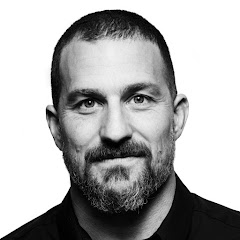



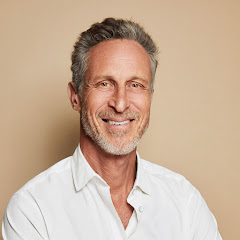
What Each Expert Says
Huberman is the most prolific source on caffeine, discussing it across 30+ videos with a dedicated episode (Podcast #101) covering caffeine as a reinforcer, its mechanisms of action, optimal dosing and timing, effects on learning and exercise, and an every-other-day protocol. He consistently recommends delaying caffeine 90-120 minutes after waking, dosing at 1-3mg/kg body weight, and cutting off 8-12 hours before bed. He frames caffeine as both a stimulant and a reinforcer that shapes behavioral preferences. Across his Matt Walker guest series, he explores caffeine's adenosine-blocking mechanism and its impact on sleep architecture. In his dopamine episodes, he highlights yerba mate's ability to upregulate dopamine receptors and provide neuroprotection. He also covers caffeine's role in headache management, fat oxidation, and cognitive enhancement.
Unlock Expert Deep Dives
See exactly what each expert recommends — specific dosages, forms, timing protocols, and video citations with timestamps.
Go Pro — $9/mo or $79/yrCancel anytime
More on Caffeine
Common Questions
How much Caffeine should you take?
1-3mg per kilogram of body weight for general alertness and performance (Huberman). 3-6mg/kg body weight for peak physical or cognitive performance, consumed 45-60 minutes before activity (Patrick). Up to 400mg daily is considered safe for most adults (Attia). Johnson takes zero caffeine.
What form of Caffeine is best?
Filtered coffee is optimal for health benefits — paper filters remove cholesterol-raising diterpenes while preserving polyphenols (Patrick). Medium roast Arabica beans from high-altitude origins offer the highest antioxidant content (Patrick). Yerba mate is an alternative that upregulates dopamine receptors and stimulates GLP-1 (Huberman). L-theanine (100-200mg) can be added to coffee to reduce jitters and enhance cognitive benefits without compromising sleep (Patrick).
When should you take Caffeine?
Delay intake 90-120 minutes after waking to allow natural cortisol pulse to clear residual adenosine and prevent afternoon crashes (Huberman). Cut off all caffeine 8-12 hours before bedtime (Huberman, Attia). Attia recommends no caffeine after 11:00 AM. Morning-only consumption aligns with circadian biology and offers the greatest longevity benefits (Patrick). Caffeine consumed after a learning session can enhance memory consolidation (Huberman).