Consensus Report
Caffeine
Moderate Consensus
out of 5
Based on 123 episodes (195 hours analyzed) across the experts · Updated 2026-03-23
On the record
Checked against the tape: 2026-03-23
- 123 · 195 h
- episodes · hours
- 5 / 5
- experts on tape
- 27
- timecoded clips
- 8
- voices on tape
Voices: Andrew Huberman, Peter Attia, Rhonda Patrick, Bryan Johnson, Mark Hyman · guests Matt Walker, Matthew Walker, Derek Mpmd
At a glance
Unlock with Pro ↓- Dose
- Form
- Timing
- Evidence
- Agreement
- 3 of 5 experts agree · 5 open disagreements
Expert Positions
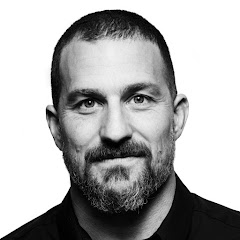
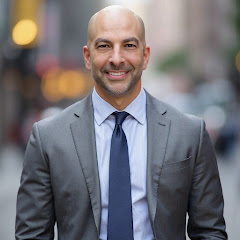

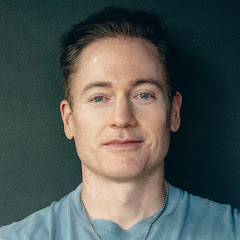
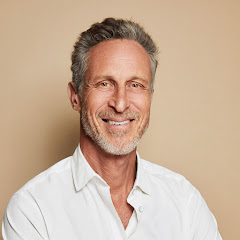
The Verdict
All 5 experts acknowledge caffeine as a potent performance enhancer and cognitive tool, but they diverge significantly on whether it belongs in a longevity protocol. Huberman and Patrick are the strongest advocates, each dedicating deep coverage to caffeine's mechanisms, dosing, and health benefits. Attia views caffeine as a reliable ergogenic aid but emphasizes strict timing to protect sleep. Johnson actively avoids caffeine entirely as part of his Blueprint protocol. Hyman frames caffeine as a crutch that masks underlying health issues and recommends elimination during reset protocols.
Where They Disagree
Johnson eliminates caffeine entirely from his Blueprint protocol to maintain emotional stability and protect sleep, while Huberman and Patrick actively recommend daily or near-daily caffeine consumption as a performance and longevity tool.
Hyman lists caffeine alongside sugar, alcohol, and nicotine as substances that negatively impact brain function and recommends elimination during health reset protocols, while Huberman highlights caffeine's neuroprotective effects and dopamine receptor upregulation.
+ 3 more disagreements in the full report
What the Tape Covers
27 clips across 20 videos
Where each expert stands on caffeine, and the moment on the tape that shows it. Every timecode opens the source video at that second — check any of them yourself.
Huberman is the most prolific source on caffeine, discussing it across 30+ videos with a dedicated episode (Podcast #101) covering caffeine as a reinforcer, its mechanisms of action, optimal dosing and timing, effects on learning and exercise, and an every-other-day protocol. He consistently recommends delaying caffeine 90-120 minutes after waking, dosing at 1-3mg/kg body weight, and cutting off 8-12 hours before bed. He frames caffeine as both a stimulant and a reinforcer that shapes behavioral preferences. Across his Matt Walker guest series, he explores caffeine's adenosine-blocking mechanism and its impact on sleep architecture. In his dopamine episodes, he highlights yerba mate's ability to upregulate dopamine receptors and provide neuroprotection. He also covers caffeine's role in headache management, fat oxidation, and cognitive enhancement.
I believe, encapsulates how is it that humans came to consume caffeine and why caffeine exists in nature and the powerful effects of caffeine as a reinforcing agent both in animals, insects, and in you and me. And the title of the paper is "Caffeine and floral nectar enhances a pollinator's memory of reward." Keep in mind that caffeine is made from plants. Some of you will say, duh, but I think some of us don't realize that the reason why there is caffeine in coffee is because coffee comes from a plant. It's a coffee bean, certain teas, which, of course, are plants that people brew. Caffeine is contained in those teas, such as yerba maté.
▶ 22:30 · Using Caffeine to Optimize Mental & Physical Performance | Huberman Lab Podcast 101
5 more clips
- 53:42 · Using Caffeine to Optimize Mental & Physical Performance | Huberman Lab Podcast 101
- 00:00 · Using Caffeine to Optimize Mental & Physical Performance | Huberman Lab Podcast 101
- 30:15 · Using Caffeine to Optimize Mental & Physical Performance | Huberman Lab Podcast 101
- 25:30 · The Science & Practice of Perfecting Your Sleep | Dr. Matt Walker (Guest: Matt Walker)
- 30:45 · Sleep Toolkit: Tools for Optimizing Sleep & Sleep-Wake Timing | Huberman Lab Podcast #84 (Guest: Matthew Walker)
Attia covers caffeine across 10 videos, primarily in the context of sleep optimization and fat loss. His most detailed caffeine discussions come in episodes with Dr. Matt Walker, where they explore how caffeine acts as an adenosine receptor antagonist that can reduce deep sleep by 20%. With sleep expert Ashley Mason, he recommends stopping all caffeine — including decaf — by 11:00 AM. In a dedicated fat loss episode with Derek MPMD, Attia endorses caffeine as a highly reliable, safe tool for increasing energy expenditure and suppressing appetite during caloric deficits, recommending up to 400mg daily. He also discusses caffeine's potential to affect lipolysis during fasting, recommending clean fasts for those pursuing metabolic health goals.
5 more clips
- 06:46 · Exploring fat loss supplements and drugs: L-carnitine, yohimbine, & more | Peter Attia & Derek MPMD (Guest: Derek Mpmd)
- 34:44 · Matt Walker, Ph.D., on Sleep (Part 3 of 3): Effects of poor sleep on metabolism & performance (Guest: Matthew Walker)
- 04:00 · Sleep Hygiene 101: The Best (and Worst) Habits for Better Sleep | Ashley Mason, Ph.D. (Guest: Ashley Mason)
- 41:13 · 221 - Understanding sleep and how to improve it (Guest: Matthew Walker)
- 01:00 · Am I breaking the fast if...? (AMA #2)
Patrick covers caffeine and coffee across 10 videos, including a comprehensive dedicated episode on using coffee for longevity. Her coffee longevity guide is the most thorough analysis of coffee's health effects across all five experts, covering epigenetic aging, cardiovascular protection, AMPK activation, cancer risk reduction, brewing methods, bean selection, and caffeine timing. She recommends filtered coffee, morning-only consumption, 3-6mg/kg for performance, and adding L-theanine to reduce jitters. She highlights that many of coffee's longevity benefits come from polyphenols rather than caffeine itself, noting that decaf retains significant health benefits. In her episodes with Dr. Satchin Panda, she discusses how late-day caffeine disrupts circadian rhythms and cognitive performance. Her episode with Dr. Matt Walker on sleep and dementia reinforces the importance of limiting caffeine to protect glymphatic clearance during deep sleep.
…decaf coffee afternoon. So if you love the taste of coffee, there's a little bit of a placebo effect as well. You get these benefits from the polyphenols if you drink the coffee later in the day. So you can actually choose decaf to avoid interfering with your sleep quality. So in short, early caffeine intake seems to really align well with biological rhythms. It enhances cognitive performance during the day, protects against cardiovascular disease, and it maximizes coffee's powerful longevity benefits, but you don't want to continuously keep drinking it all throughout the day. Coffee also has powerful effects on metabolism, particularly the body's ability to regulate glucose and fat utilization.
▶ 07:27 · How To Use Coffee To Live Longer (Full Guide & Research)
5 more clips
- 00:08 · How To Use Coffee To Live Longer (Full Guide & Research)
- 01:23 · How To Use Coffee To Live Longer (Full Guide & Research)
- 33:59 · How To Use Coffee To Live Longer (Full Guide & Research)
- 16:44 · How To Use Coffee To Live Longer (Full Guide & Research)
- 02:34 · Dr. Satchin Panda on Circadian Insights into Exercise Timing, Melatonin Biology, and Peak Cognition (Guest: Satchin Panda)
Johnson covers caffeine across 6 videos, and his stance is the most distinctive among the five experts: he actively avoids caffeine entirely as part of his Blueprint longevity protocol. In his Netflix FAQ, he explicitly states he eliminated caffeine to maintain emotional stability. Across his sleep-focused content, he consistently warns about caffeine's half-life and its disruption of deep sleep, recommending that others limit intake especially in the afternoon. He frames caffeine dependency as a 'loop' that undermines the body's natural energy regulation. However, his content includes discussions about cocoa and chocolate (which contain small amounts of caffeine) as part of his daily protocol, suggesting his opposition is specifically to significant caffeine doses rather than trace amounts.
5 more clips
Hyman discusses caffeine and coffee across 40+ videos, with a nuanced and often cautionary stance. In his UltraMind Solution, he lists caffeine alongside sugar, alcohol, and nicotine as brain-damaging substances to eliminate. In his diabesity protocol, caffeine is removed during the initial six-week reset. He identifies reliance on caffeine as a symptom of underlying chronic fatigue, blood sugar imbalances, or adrenal dysfunction rather than a solution. However, Hyman's stance is more nuanced than it appears: guests on his show like Dave Asprey actively recommend black coffee as a fasting hack for boosting ketones, and Hyman acknowledges coffee's polyphenol benefits. In his sleep-focused content with Dr. Todd Lapine, he advises avoiding caffeine after noon. His position is best characterized as 'fix the root cause first, then caffeine is less harmful.'
…sometimes give me medications medication side effects some of the people are taking these stimulants so so I'm tired so here your doctor gives you Ritalin or adderall and then that is a stimulant and I sort of keeping you up um excess amounts overuse of caffeine or having caffeine too late in the day you know some people are very caffeine sensitive and you know they can't have any kind of tea or coffee yeah most people in general I'm gonna say that you know if you have one or two cups of green tea coffee and it's early in the day it's not gonna affect your sleep to…
▶ 07:08 · The Real Reasons We Have Trouble Sleeping
4 more clips
Quoted passages are the automatic transcript from the second the link opens, with mis-transcribed terms corrected and nothing else changed. A quote appears only where the expert recorded alone and the passage is about caffeine — where someone else was in the room, you get the timecode without a quote, because the tape does not record who said which line.
About This Analysis
This consensus report on Caffeine is based on 123 videos (195 hours analyzed) from five longevity experts: Andrew Huberman, Peter Attia, Rhonda Patrick, Bryan Johnson, and Mark Hyman. Each expert's position was independently analyzed from their published video content, including lectures, podcast episodes, and Q&A sessions with 640+ guests, 310+ of them scientists and physicians.
The full report includes 8 key findings, dosage and protocol details, expert deep dives with direct video citations and timestamps, risk considerations, and related supplement synergies.
Frequently Asked Questions
What do experts agree on about caffeine?
All 5 experts acknowledge caffeine as a potent performance enhancer and cognitive tool, but they diverge significantly on whether it belongs in a longevity protocol. Huberman and Patrick are the strongest advocates, each dedicating deep coverage to caffeine's mechanisms, dosing, and health benefits.
Where do the experts disagree on caffeine?
Johnson eliminates caffeine entirely from his Blueprint protocol to maintain emotional stability and protect sleep, while Huberman and Patrick actively recommend daily or near-daily caffeine consumption as a performance and longevity tool. Hyman lists caffeine alongside sugar, alcohol, and nicotine as substances that negatively impact brain function and recommends elimination during health reset protocols, while Huberman highlights caffeine's neuroprotective effects and dopamine receptor upregulation. Attia and Walker emphasize caffeine's sleep-disrupting effects and recommend strict cutoff times (no later than 11:00 AM), while Huberman's cutoff is more flexible at 8-12 hours before bed, which could allow early afternoon intake.
How strong is the expert consensus on caffeine?
The consensus on caffeine scores 3.3/5 — a moderate level of agreement across Huberman, Attia, Patrick, Johnson, and Hyman, based on their public videos.
Related Reports
Unlock the Full Report
Get dosages, timing protocols, expert deep dives with video citations, and risks for Caffeine.
Every recommendation traces back to a specific expert, video, and timestamp.
$9/month or $79/year · Cancel anytime