Consensus Report
Cold Exposure
Strong Consensus
out of 5
Based on 27 episodes (38 hours analyzed) across the experts · Updated 2026-03-19
On the record
Checked against the tape: 2026-03-19
- 27 · 38 h
- episodes · hours
- 5 / 5
- experts on tape
- 28
- timecoded clips
- 8
- voices on tape
Voices: Andrew Huberman, Peter Attia, Rhonda Patrick, Bryan Johnson, Mark Hyman · guests Matthew Walker, Craig Heller, Anna Lembke
At a glance
Unlock with Pro ↓- Temperature
- Duration
- Frequency
- Timing
- Evidence
- Agreement
- 4 of 5 experts agree · 4 open disagreements
Expert Positions
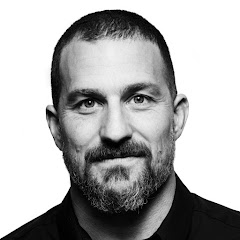
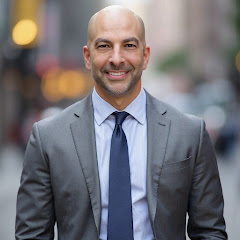

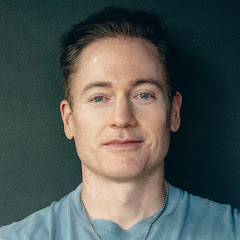
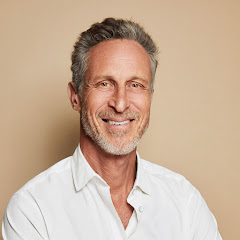
The Verdict
4 of 5 experts actively recommend deliberate cold exposure. Huberman is the strongest advocate with a dedicated episode and repeated coverage across dozens of videos. Patrick provides the deepest mechanistic analysis, citing norepinephrine, brown fat activation, and mitochondrial biogenesis. Attia personally practices cold plunges (as part of his sauna routine) but explicitly notes the longevity data is weaker than for sauna. Hyman endorses cold exposure as a hormetic stressor for mitochondrial health and inflammation. Johnson mentions cryotherapy in the context of his biohacking protocols but has no dedicated cold exposure coverage.
Where They Disagree
Attia explicitly states the data does not strongly support cold exposure benefits for longevity or disease prevention, unlike sauna which has more robust evidence — while Patrick and Huberman present cold exposure as a powerful health intervention with broader benefits.
Huberman recommends cold exposure in the morning to boost alertness and dopamine, while others (Attia) use it primarily as part of an evening sauna-to-cold routine for relaxation and sleep preparation.
+ 2 more disagreements in the full report
What the Tape Covers
28 clips across 21 videos
Where each expert stands on cold exposure, and the moment on the tape that shows it. Every timecode opens the source video at that second — check any of them yourself.
Huberman is the most prolific advocate for deliberate cold exposure, with a dedicated full-length episode plus extensive mentions across videos on fat loss, dopamine, cortisol, sleep, and brain chemistry. He explains that cold exposure acts as a potent stimulus for the nervous system, triggering catecholamine release (norepinephrine and dopamine) that improves mood, focus, and mental resilience. For fat loss, he details how cold triggers succinate release through shivering, which activates brown fat thermogenesis — recommending short, repeated cold bouts rather than long static exposure. He provides the 'walls of resistance' mental framework for building toughness during cold exposure and cautions that cold immersion after strength training may inhibit hypertrophy. He recommends a total of 11 minutes of cold exposure per week spread across multiple sessions.
…although there are a few in humans that point to a threshold of 11 minutes total per week. So that's total throughout the week divided into two or four sessions of two or three minutes or so. Now that 11 minute cutoff is not a strict threshold and is actually geared more towards increases in metabolism, we'll get into this a little bit later in the episode, but I think the 11 minute threshold, meaning 11 minutes total of deliberate cold exposure per week is a pretty good number to use if you need a number in order to keep you consistent.
▶ 58:00 · Using Deliberate Cold Exposure for Health and Performance | Huberman Lab
7 more clips
- 43:30 · Using Deliberate Cold Exposure for Health and Performance | Huberman Lab
- 01:10:00 · Using Deliberate Cold Exposure for Health and Performance | Huberman Lab
- 35:30 · How to Lose Fat with Science-Based Tools
- 31:15 · Optimize & Control Your Brain Chemistry to Improve Health & Performance
- 30:47 · Sleep Toolkit: Tools for Optimizing Sleep & Sleep-Wake Timing (Guest: Matthew Walker)
- 09:15 · Using Temperature for Performance, Brain & Body Health | Dr. Craig Heller (Guest: Craig Heller)
- 25:11 · LIVE EVENT Q&A: Dr. Andrew Huberman Question & Answer in Portland, OR
Attia has a dedicated AMA episode (AMA 47) focused entirely on cold therapy, covering both cold water immersion and whole-body cryotherapy. He personally practices cold plunges as part of his daily sauna routine (198F sauna with 15-minute sessions and cold plunges). He discusses endogenous dopamine production in response to cold, noting his own positive mood response while acknowledging that individual responses vary significantly — his colleague Anna Lembke, for example, does not experience mood benefits from cold. Critically, Attia states that while cold plunging is effective for mood regulation, the data does not strongly support longevity or disease prevention benefits, positioning it below sauna in his evidence hierarchy. He views cold as a hormetic stressor that stimulates neurogenesis and resilience but emphasizes the evidence base is still developing.
6 more clips
- 03:48 · Cold therapy: pros, cons, and its impact on longevity [AMA 47 sneak peek]
- 01:20 · Cold-water immersion for mood regulation and addiction treatment (Guest: Anna Lembke)
- 02:35 · Cold-water immersion for mood regulation and addiction treatment (Guest: Anna Lembke)
- 08:36 · Optimizing sleep: bedtime routine, molecule regimen, sleep trackers, & sauna
- 03:20 · Peter's takeaways on bone health, calorie restriction, addiction, & gene editing
- 11:48 · Chris Hemsworth on Limitless, longevity, and happiness (Guest: Chris Hemsworth)
Patrick provides the deepest mechanistic analysis of cold exposure across all five experts. She has a dedicated video on cold-water immersion and cryotherapy focusing on neuroendocrine and fat browning effects, plus extensive coverage in her sauna-and-cold content and her appearance on Huberman Lab. She explains that cold exposure significantly increases norepinephrine, which improves focus, attention, mood, and vigilance while also driving non-shivering thermogenesis in brown fat. She details how cold increases brown fat volume and activity, leading to enhanced glucose and insulin sensitivity, increased fat utilization, and protection against obesity. She also discusses mitochondrial biogenesis in both adipose and muscle tissue from cold stress. Critically, she cautions that cold exposure immediately after resistance training may blunt muscle hypertrophy, and differentiates the effects after endurance versus strength training. Her guest Dr. Luc Van Loon on her channel reinforced that cold water immersion can negatively impact muscle protein synthesis and glycogen restoration if done immediately post-workout.
…basically preconditioning our bodies against stress this isn't a new idea humans have used cold exposure often with the expectation that it promotes health for centuries but habitual cold exposure can have far-reaching beneficial effects on our bodies metabolic health and possibly brain function many of which converge on a chemical released in response to the cold norepinephrine produced in the adrenal glands and central nervous system it can act as both a hormone and neurotransmitter because of norepinephrine's unique effects cold exposure may influence aspects of physiology relevant for fighting metabolic related diseases and parameters of brain function associated with mood neurodegeneration and depression and studies in both mice and humans have shown that cold water immersion increases levels of pgc-1 alpha …
▶ 00:31 · Cold-Water Immersion and Cryotherapy: Neuroendocrine and Fat Browning Effects
7 more clips
- 01:44 · Cold-Water Immersion and Cryotherapy: Neuroendocrine and Fat Browning Effects
- 03:11 · Cold-Water Immersion and Cryotherapy: Neuroendocrine and Fat Browning Effects
- 08:27 · Use of Sauna and Cold to Increase Net Resilience, Mitochondrial Biogenesis, Mood and Longevity
- 10:55 · Use of Sauna and Cold to Increase Net Resilience, Mitochondrial Biogenesis, Mood and Longevity
- 09:00 · Dr. Rhonda Patrick: Maximizing Healthspan with Exercise, Sauna, & Cold Exposure
- 57:43 · Dr. Luc Van Loon: Optimizing Protein Intake & Distribution for Muscle Growth (Guest: Luc Van Loon)
- 07:00 · Wim Hof (the Iceman) on Defeating Extreme Cold & Attenuating the Immune Response (Guest: Wim Hof)
Hyman endorses cold exposure across multiple videos as a hormetic stressor that benefits mitochondrial health, brown fat activation, and inflammation reduction. He hosted Wim Hof for an extensive discussion on cold showers, vascular health, immune system modulation, and the breathing protocol. Wim recommended starting with 30 seconds of cold shower and gradually building up. Hyman also featured Dave Asprey recommending cold showers for mitochondrial turnover, and discussed cold exposure in the context of longevity with Dr. David Sinclair as one of several hormetic stressors (alongside fasting and sauna). He views cold as part of a broader toolkit for activating the body's natural repair mechanisms, and notes its utility for shifting mental and emotional states via the vagal nerve.
…our brown fat we need to be cold and how many people nowadays ever get really cold because we always like that thermostat right at 70 degrees yeah it goes to snow and that I go in the ice bath every day yeah it's alright so that's it that the temperature goes to 71 we turn we turn on the air-condition goes below we turn on the heat right we people in this thermonuclear zone and we never actually activate our brown fat [Music]…
▶ 00:51 · Why Being Cold Can Be Good for You
5 more clips
- 15:16 · DO THIS To Reduce Inflammation & Become IMMUNE TO ILLNESS! | Wim Hof & Mark Hyman (Guest: Wim Hof)
- 05:31 · DO THIS To Reduce Inflammation & Become IMMUNE TO ILLNESS! | Wim Hof & Mark Hyman (Guest: Wim Hof)
- 20:52 · Dave Asprey: 'Aging is BS. It's Your Fault.' (His Plan to Live to 180) (Guest: Dave Asprey)
- 25:30 · Death is Inevitable but Aging is Not
- 00:49 · How To Move Through Difficult Emotions (Guest: Jim Gordon)
Quoted passages are the automatic transcript from the second the link opens, with mis-transcribed terms corrected and nothing else changed. A quote appears only where the expert recorded alone and the passage is about cold exposure — where someone else was in the room, you get the timecode without a quote, because the tape does not record who said which line.
About This Analysis
This consensus report on Cold Exposure is based on 27 videos (38 hours analyzed) from five longevity experts: Andrew Huberman, Peter Attia, Rhonda Patrick, Bryan Johnson, and Mark Hyman. Each expert's position was independently analyzed from their published video content, including lectures, podcast episodes, and Q&A sessions with 640+ guests, 310+ of them scientists and physicians.
The full report includes 8 key findings, dosage and protocol details, expert deep dives with direct video citations and timestamps, risk considerations, and related supplement synergies.
Frequently Asked Questions
What do experts agree on about cold exposure?
4 of 5 experts actively recommend deliberate cold exposure. Huberman is the strongest advocate with a dedicated episode and repeated coverage across dozens of videos.
Where do the experts disagree on cold exposure?
Attia explicitly states the data does not strongly support cold exposure benefits for longevity or disease prevention, unlike sauna which has more robust evidence — while Patrick and Huberman present cold exposure as a powerful health intervention with broader benefits. Huberman recommends cold exposure in the morning to boost alertness and dopamine, while others (Attia) use it primarily as part of an evening sauna-to-cold routine for relaxation and sleep preparation. Patrick cautions that cold water immersion can negatively impact muscle protein synthesis and glycogen restoration if done immediately after training, while some fitness communities promote post-workout cold plunges as recovery tools.
How strong is the expert consensus on cold exposure?
The consensus on cold exposure scores 4.1/5 — a strong level of agreement across Huberman, Attia, Patrick, Johnson, and Hyman, based on their public videos.
Common Questions
Related Reports
Unlock the Full Report
Get dosages, timing protocols, expert deep dives with video citations, and risks for Cold Exposure.
Every recommendation traces back to a specific expert, video, and timestamp.
$9/month or $79/year · Cancel anytime